A Lifestyle Guide To Boutique Living In Nolita
February 19, 2026
February 19, 2026
Looking for a downtown base that prizes intimacy and craft over spectacle? In Nolita, narrow tree-lined streets, independent boutiques, and design-forward homes create a calm, curated daily rhythm right in the center of Lower Manhattan. If you want a low-rise neighborhood with excellent transit, strong design credentials, and an easy, walk-everywhere lifestyle, this guide is for you. You’ll learn how Nolita feels, what “boutique living” looks like, and how to approach the micro-market with confidence. Let’s dive in.
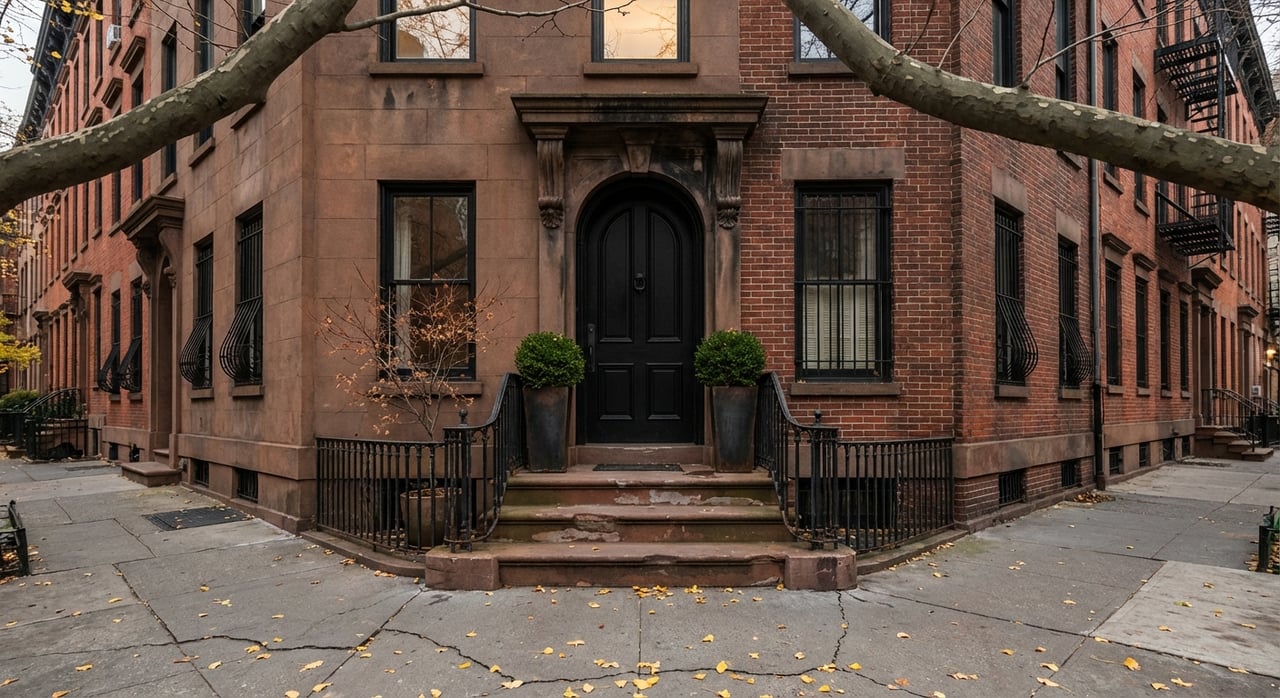
Nolita sits north of Little Italy and east of SoHo, roughly bounded by Houston Street, the Bowery, Broome Street and Lafayette Street. You get a compact grid of historic masonry buildings and intimate, tree-lined blocks that feel residential at street level. It reads as a quieter, design-forward alternative to SoHo’s flagship corridors and a more everyday rhythm than the Lower East Side. For boundaries and context, see the neighborhood overview on Wikipedia.
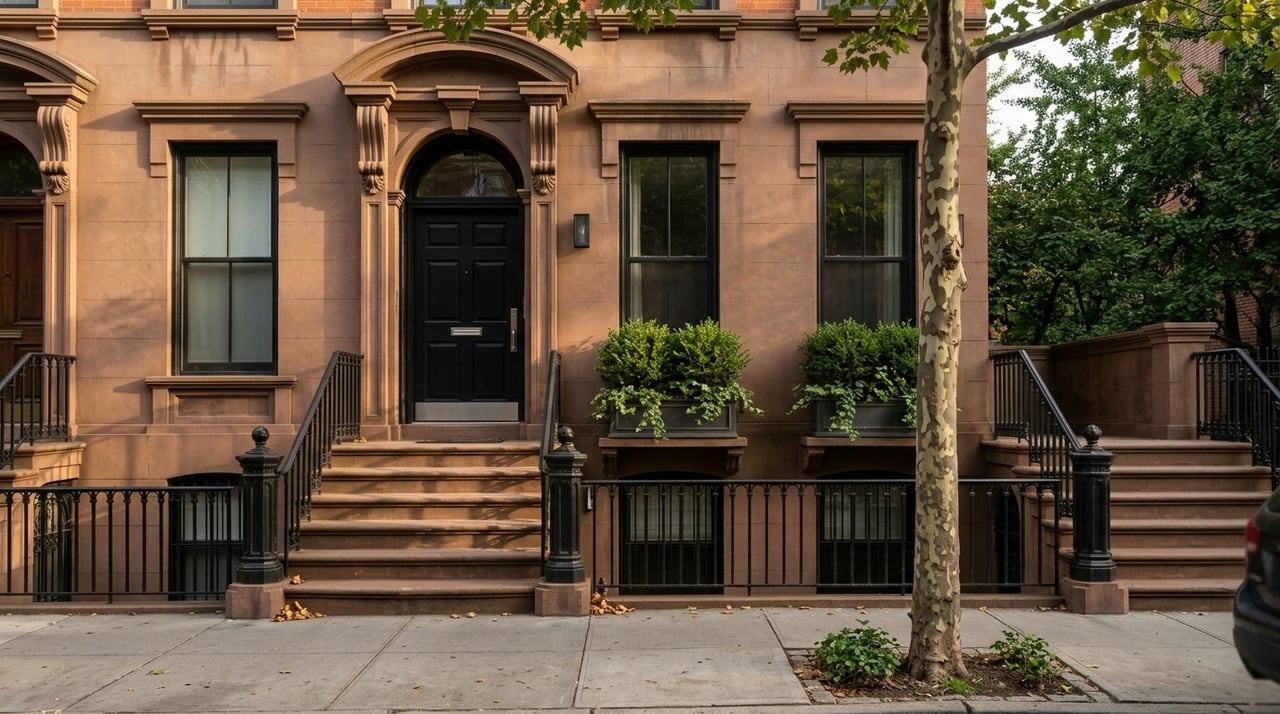
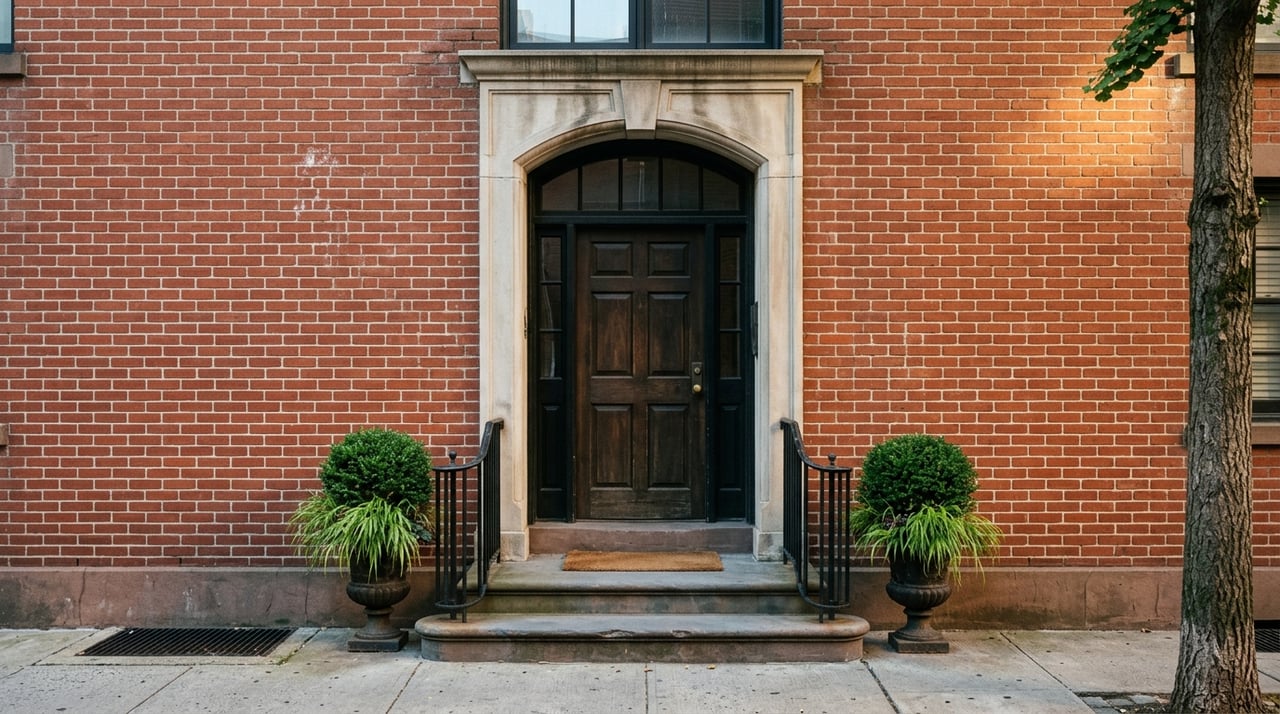
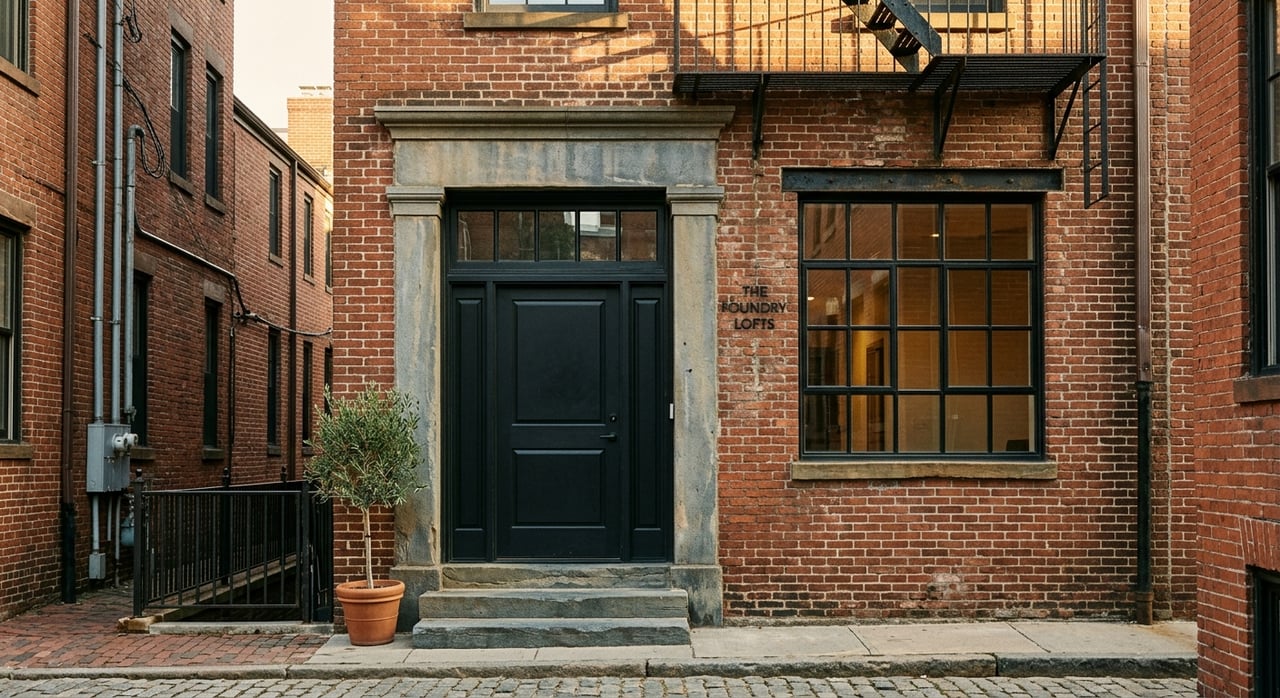
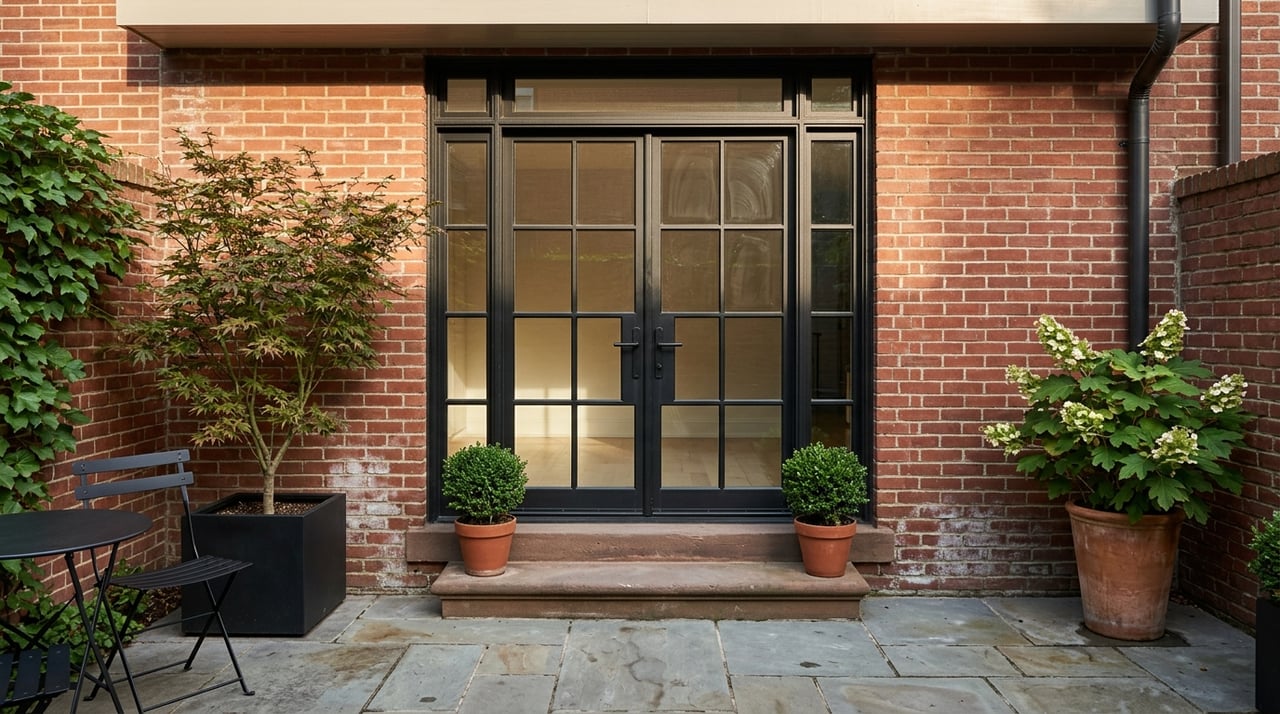
You’ll notice the scale first. Most buildings rise four to seven stories, with brick facades, cast iron details, and thoughtful storefronts instead of big-box chains. It’s a place where craftsmanship shows up in small ways: curated shop windows, restored cornices, and calm stoops. Local anchors like St. Patrick’s Old Cathedral and the Puck Building ground the neighborhood’s heritage.
Nolita is a walker’s paradise with a Walk Score of 100 at its core coordinates. Daily errands, boutique browsing, and coffee runs happen on foot, and multiple subway lines sit just a few minutes away. Broadway–Lafayette/Bleecker links the B/D/F/M and 6 trains, Prince Street serves the N/R/W, and Spring Street connects to the 6, with other Spring Street stations close by. For a quick snapshot of walkability, review the Walk Score data point.
This connectivity supports a car-optional lifestyle. Midtown, Brooklyn, and other downtown hubs are simple rides away, yet Nolita itself encourages you to slow down and stay local.
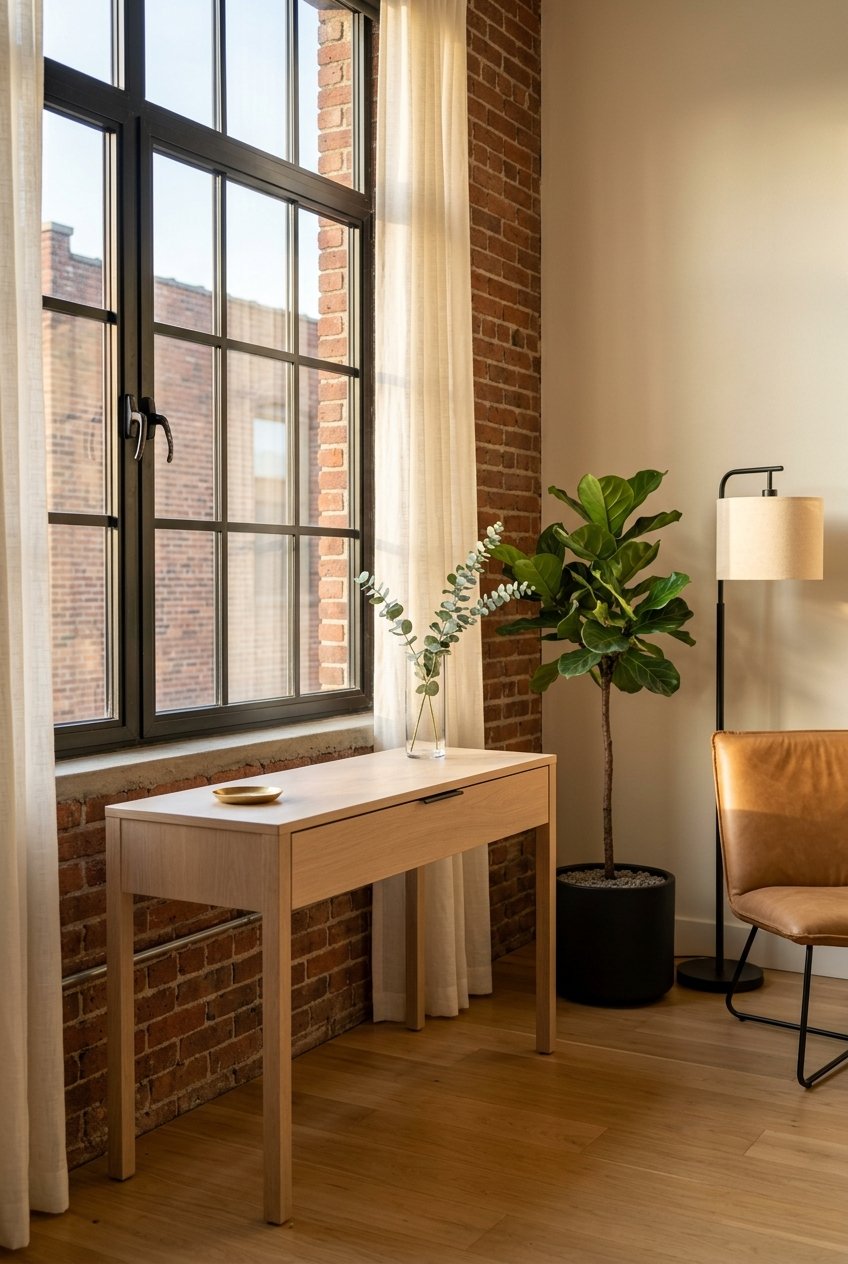
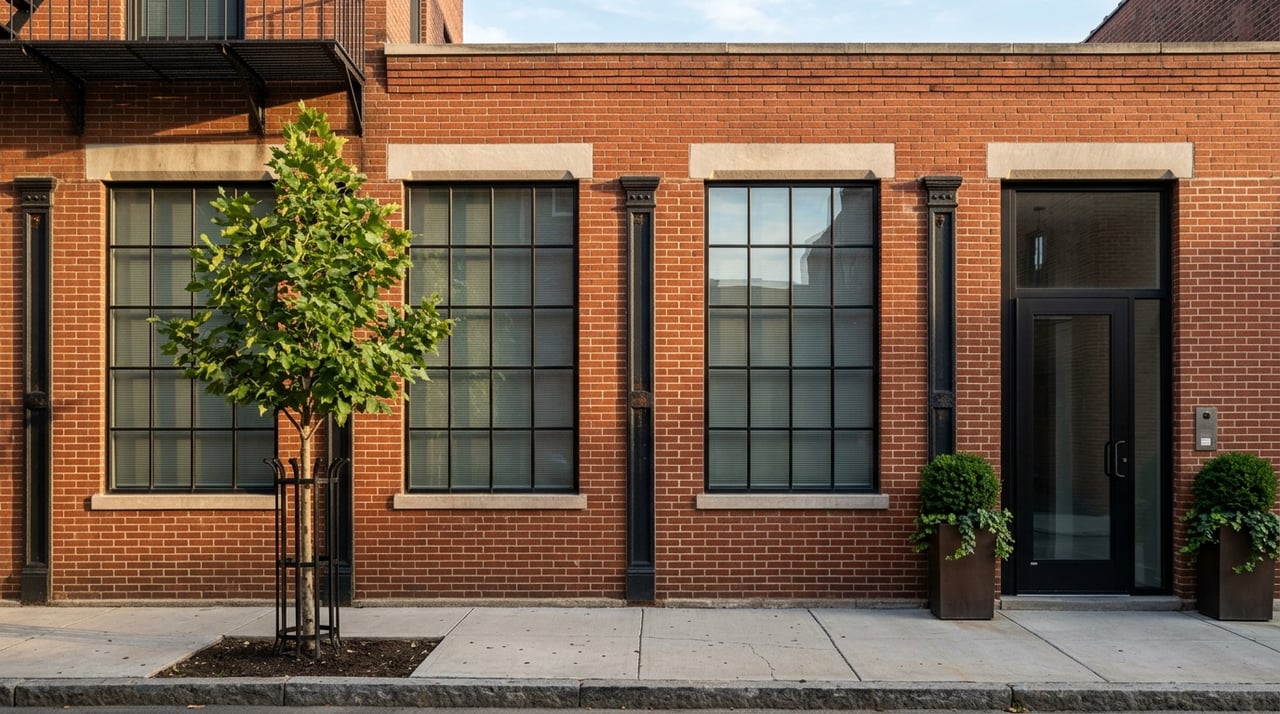
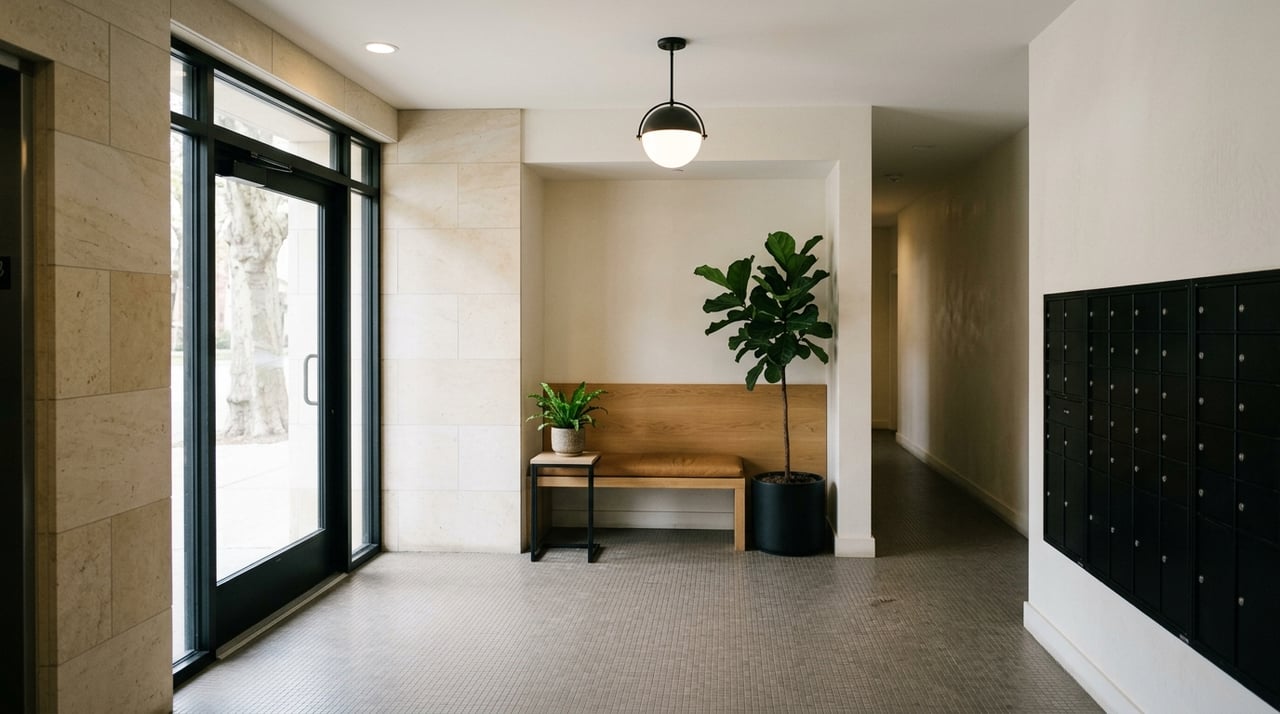
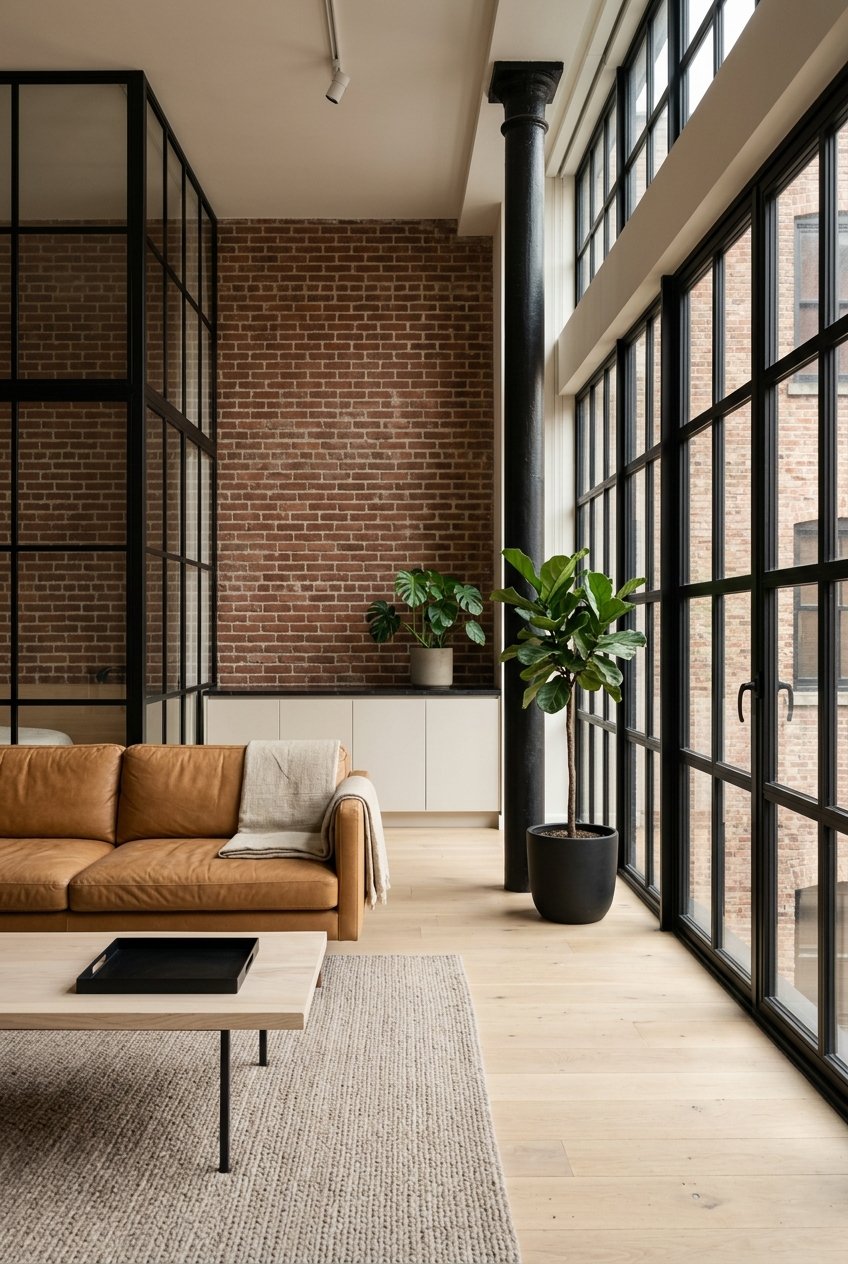
Housing in Nolita skews prewar and character-rich. You’ll see classic walk-ups, loft conversions with high ceilings and big windows, small ground-up boutique condos, and a handful of discreet full-service buildings. Interiors often feature open plans, bespoke millwork, and premium finishes. In this market, the premium usually sits on light, volume, and outdoor space rather than a long list of building amenities. For a sense of refined, “quiet luxury,” 211 Elizabeth Street is a touchstone boutique condominium designed by Roman & Williams. Its craft brick facade and tailored interiors show how design quality leads value here, as profiled by CityRealty.
If you are chasing the top end, boutique penthouses often pair terrace space with skyline views. A recent example at 199 Mott Street surfaced with an ask above $8 million, complete with a roof deck and downtown landmarks in view, as covered by 6sqft. Below that, one-bedrooms in acclaimed boutique buildings have traded in the low-to-mid millions, with exact pricing shaped by floor, exposure, outdoor space, and renovation quality.
Nolita is a tiny micro-market with limited turnover. Small buildings mean few units, so demand tends to converge on a narrow set of listings at any given moment. Resale comparables can be idiosyncratic because individual features carry outsized weight. A south-facing one-bedroom with a terrace on a higher floor may price very differently from a similar footprint on a lower, courtyard-facing level. Expect competition for thoughtfully renovated homes, especially those with natural light and private outdoor areas.
In this environment, unit-level examples matter more than neighborhood-wide averages. Anchor your expectations in current listings and recent closed sales, and weigh design quality, ceiling height, storage, and outdoor access as primary value drivers.
Nolita’s street life feels carefully edited. Elizabeth Street offers design and specialty boutiques, while Prince, Mott, and Mulberry blend independent shops with long-standing food businesses. Interiors are as considered as the merchandise, and the smaller storefront footprints keep experiences personal. For a broader vibe check, the Elliman neighborhood guide highlights this intimate, boutique character.
Café culture is part of daily life, though individual spots can change. A well-known example is Café Gitane, a neighborhood fixture that was reported closed in late 2025. This illustrates how even beloved staples evolve, so it’s wise to verify current status before making any one place part of your routine. See reporting on the closure from Eater New York.
Nolita hosts a mix of small galleries, rotating pop-ups, and design institutions. Storefront for Art and Architecture, on the edge of the neighborhood, anchors a calendar of experimental shows and public programming that speaks directly to design-minded residents. You can explore current and upcoming exhibitions at Storefront’s site. Pop-ups and installations cycle frequently, adding to the sense that the neighborhood is a living gallery.
You’ll find green pockets for a quick reset nearby, including Sara D. Roosevelt Park and smaller playgrounds like DeSalvio. One local touchstone is Elizabeth Street Garden, a long-standing community space that has been at the center of city review and litigation. The situation is fluid and has seen recent pauses and updates. For a neutral overview of the latest status, see coverage in The Real Deal.
Boutique Nolita homes reward clear criteria. As you tour properties, focus on:
A nimble approach sets you up to win in a low-supply micro-market. Consider these steps:
Daily life feels close-knit and convenient. You can stroll to Prince Street for errands, browse design shops on Elizabeth, and find a quiet espresso on Mott before walking a few blocks to the subway. Evenings might include a small gallery opening or a pop-up retail event, then a simple walk home along calm, brick-lined streets. The scale supports a slower, more intentional downtown rhythm even as you stay minutes from everywhere.
If you value design, discretion, and block-by-block guidance, partner with a specialist who lives in this market every day. With boutique, concierge-style representation backed by Compass Luxury reach, you get strategic search, private and exclusive channels, and editorial presentation when it is time to sell or lease. From curated touring to data-driven pricing and staging guidance, you can navigate Nolita with confidence and care. Ready to explore what’s possible? Connect with Annie Azzo to start a private conversation.
Stay up to date on the latest real estate trends.

If you’re ready to unlock the finest New York has to offer, Annie is the key. Her in-depth market knowledge and an unwavering commitment to client satisfaction make her a trusted advisor for both buyers and sellers looking to indulge in the complexities of New York City's real estate landscape.