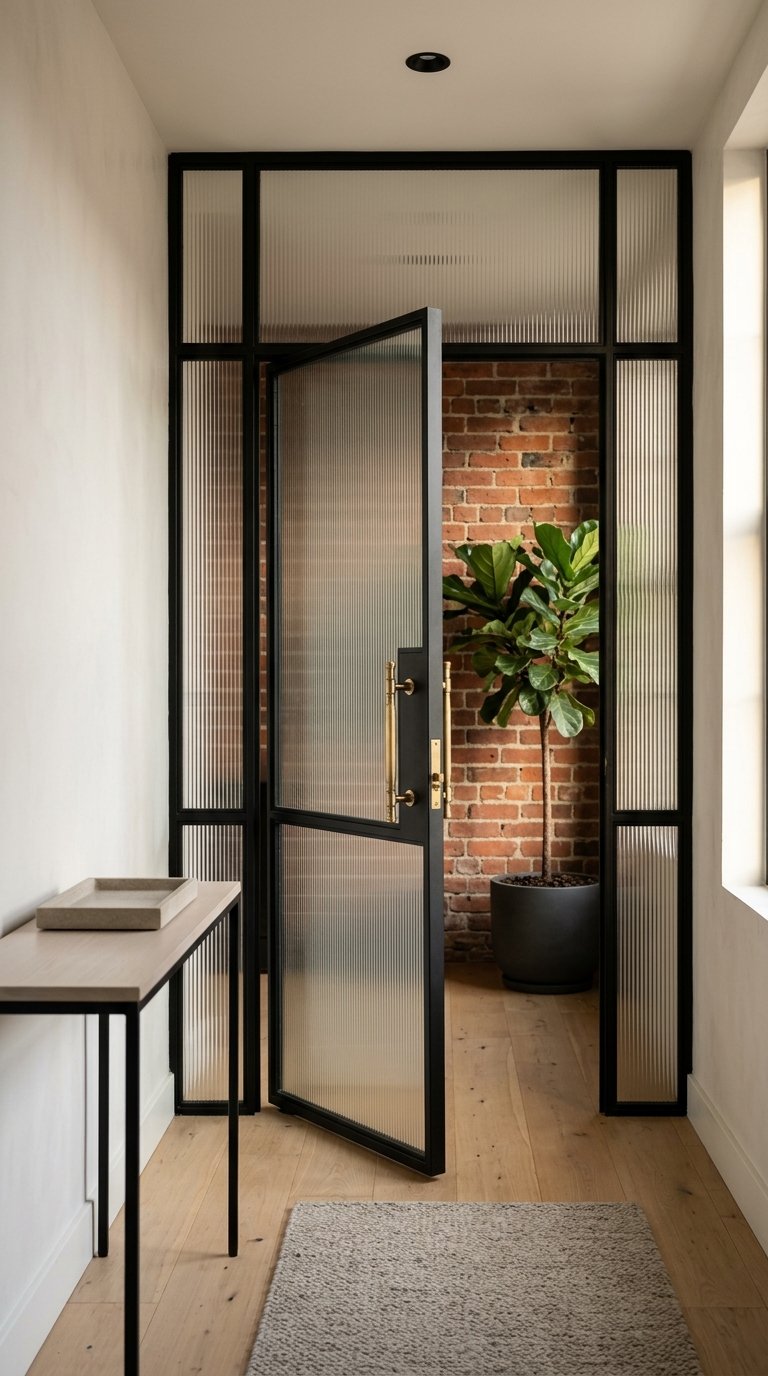
Downtown Manhattan Private Exclusives for Sellers
April 16, 2026
April 16, 2026
Selling a Downtown Manhattan home can feel like a balancing act. You want strong pricing, serious buyer interest, and the right level of discretion, especially if your property is a loft, a design-forward condo, or a home that is not quite ready for a full public debut. If you are considering a quieter first step, understanding how a private exclusive works can help you decide whether it fits your goals. Let’s dive in.
A Compass Private Exclusive is a listing shared within Compass’s brokerage network and with serious buyers before the home is broadly launched to the public. According to Compass’s private exclusive overview, this early phase is designed to help sellers test pricing, gather feedback, and build interest without creating a public days-on-market history or visible price reductions.
Compass presents this as the first step in a three-phase marketing path. The sequence begins with Private Exclusive, then moves to Coming Soon on Compass.com and Redfin, and then to a full public launch. For sellers who value timing and control, that structure can offer a more measured rollout.
In Downtown Manhattan, presentation and timing often matter just as much as exposure. Many sellers in neighborhoods like SoHo, Tribeca, NoLIta, West Village, and Chelsea own homes with unique layouts, architectural details, or renovation variables that do not always fit a one-size-fits-all launch.
A private exclusive can make sense when you want to refine your pricing strategy before going broad. It can also be useful if your home is still being prepared, if privacy is important, or if you want to avoid accumulating a public marketing trail too early. Compass specifically notes that this approach may help sellers test price, generate early demand, and begin showings while repairs or finishing touches are still underway.
In New York City, the rules around private marketing matter. At the national level, the NAR Clear Cooperation Policy requires a listing to be submitted to the MLS within one business day once public marketing begins. NAR defines public marketing broadly, including public-facing websites, public apps, brokerage website displays, email blasts, and multi-brokerage listing-sharing networks.
In REBNY territory, the standards are even more specific. According to REBNY’s RLS FAQs, an exclusive listing must be entered into the RLS once it is publicly disseminated or shown to any buyer, whichever happens first. REBNY also states that the term “off-market” should not be used to describe or promote an exclusive listing.
That distinction is important if you are a Downtown seller hearing different terms from different agents. What matters most is not the label, but whether the listing is being publicly marketed, shown, or entered into the required systems under the applicable rules.
The biggest advantage is control. Instead of starting with a full public rollout, you begin in a more limited environment that can give you early signals before your listing is widely visible.
That can help you:
For many Downtown luxury sellers, especially those with lofts or architecturally distinctive homes, this softer launch can support a more thoughtful strategy. Based on Manhattan pricing and market-time trends, that can be particularly relevant when negotiating leverage matters.
A private exclusive does not create the same reach as a public listing. That is the tradeoff. REBNY explicitly notes that limited exposure may affect both pricing and the time needed to sell or lease.
In other words, discretion can be valuable, but it comes with less visibility at the start. If your top priority is maximum immediate exposure, a private phase may not be the best fit. If your priority is a more controlled rollout, it may be worth considering.
The broader Manhattan market in Q1 2025 was active, but it remained price-sensitive. According to the Douglas Elliman Manhattan Q1 2025 report, closed sales rose to 2,560, the average sales price reached $2.236 million, the median sales price was $1.165 million, average days on market were 90, and the average listing discount was 6.6%.
At the luxury end, conditions were slower. In Manhattan’s top 10% of sales, the same report shows an average sales price of $10.304 million, a median of $6.871 million, average days on market of 113, an average listing discount of 8.8%, and 14.4 months of supply.
For Downtown condos specifically, the Douglas Elliman Manhattan decade report shows that in 2024, downtown condos averaged $3.162 million, had a median sales price of $1.999 million, averaged $2,120 per square foot, and recorded 1,886 closed sales.
Taken together, those numbers suggest a clear point for sellers in Downtown Manhattan: pricing and launch strategy matter. For a luxury condo or loft, a private exclusive may be a useful first move when you want to gauge demand or protect leverage before broader exposure. It is not a guaranteed outcome, but it can be a practical strategy in a market where buyers are selective and pricing discipline matters.
Compass also shares internal findings about pre-marketing. According to Compass’s private exclusives page, its 2024 internal analysis found that pre-marketed listings were associated with a 2.9% higher final close price than Compass listings that went directly to the MLS, were 20% faster to contract, and were 30% less likely to take a price drop.
Compass also states that these are descriptive internal findings, that results vary by market conditions and seasonality, and that they are not guarantees. That is an important detail. A private launch is a strategy, not a promise.
If you choose this route, the process should be deliberate and well documented. In practice, sellers typically move through a few clear stages.
You and your agent define the goal of the private phase. That may be testing price, preserving privacy, beginning showings while the home is being prepared, or gathering market feedback before a wider launch.
Your agent should explain how the listing will be handled under current NAR and REBNY rules. Seller consent and opt-out documentation matter, especially if the property will not be broadly distributed right away.
The home is shared within the permitted private channels rather than fully released to the public. Compass notes that private exclusives are shared within its network, and that sellers can opt out of inclusion in the Private Exclusive Book.
Compass also announced that its Private Exclusive Book can be browsed one-to-one in Compass offices by agents from all brokerages, with a digital version that updates in real time and a physical version updated multiple times weekly.
This is where the private phase becomes useful. You assess buyer response, pricing signals, and how the property is being received before your listing develops a broader public footprint.
If the feedback supports it, you can move into the next phase of marketing. That might mean a Coming Soon period and then a full public launch, depending on your strategy and the rules that apply.
Not every private launch is equally well planned. If you are interviewing agents, the key issue is not just whether they offer a private exclusive. It is how thoughtfully they manage it.
Ask questions like:
For sellers in the mid-to-upper luxury range, these details can shape both leverage and outcome.
In the market, you may hear terms like private exclusive, office exclusive, participant-only network, coming soon, or private broker outreach. While those labels sound similar, the real issue is how the property is being marketed and when it crosses into public exposure under the rules.
That is why clarity matters. A good private launch is not about making a listing vague or hidden. It is about using a compliant, intentional first phase that supports your pricing, timing, and presentation goals.
For the right Downtown Manhattan seller, a private exclusive can offer breathing room. It can give you time to refine your presentation, pressure-test pricing, and begin quietly before stepping into the broader market.
If you are selling a loft, condo, penthouse, or architecturally distinctive home in Downtown Manhattan, the strongest strategy is usually the one tailored to your property, your timeline, and your comfort with exposure. If you want a thoughtful, discreet plan for your next move, Annie Azzo can help you decide whether a private exclusive is the right first step.
Stay up to date on the latest real estate trends.





If you’re ready to unlock the finest New York has to offer, Annie is the key. Her in-depth market knowledge and an unwavering commitment to client satisfaction make her a trusted advisor for both buyers and sellers looking to indulge in the complexities of New York City's real estate landscape.