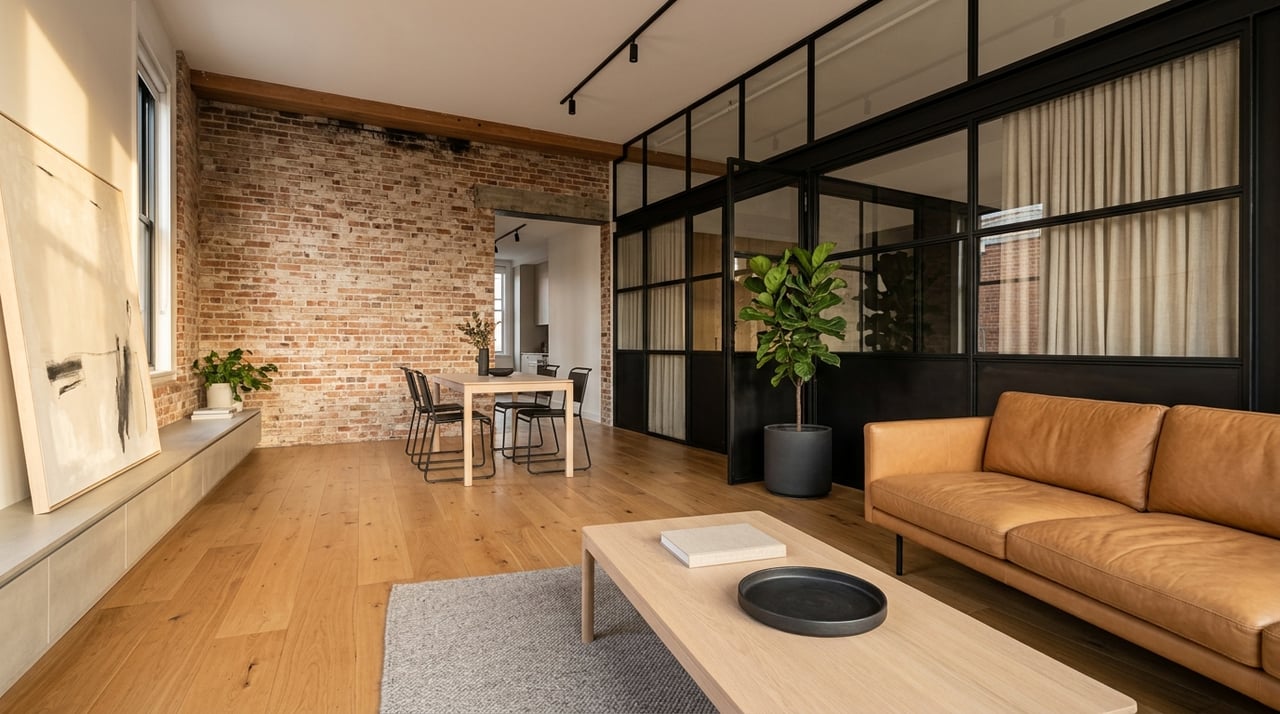
Staging A Soho Loft For Today’s Luxury Buyer
May 7, 2026
May 7, 2026
You do not stage a SoHo loft the same way you stage a generic luxury apartment. Buyers here are often looking for volume, light, provenance, and that unmistakable sense of a true downtown loft. If you are preparing to sell, the goal is not to add more. It is to reveal what already makes your home rare. Let’s dive in.
SoHo has a very specific architectural identity, and buyers feel it the moment they start browsing listings. The SoHo-Cast Iron Historic District was designated in 1973 and later extended in 2010, covering roughly 500 protected buildings across 25 blocks, with about 135 more properties added in the extension. The area is known for cast-iron-fronted and masonry store-and-loft buildings, many built after the Civil War for wholesale dry goods and manufacturing.
That history matters because today’s buyer is not just comparing finishes. In SoHo, they are often responding to original structure, tall windows, industrial scale, and the flexibility of open-plan living. StreetEasy also describes SoHo’s housing stock as largely former factory buildings that became loft apartments, which helps explain why authenticity still carries weight in this market.
In a neighborhood with a current median sale price of $3.4 million and median days on market of 55, presentation can shape how quickly a buyer connects with a home. Buyers in this price range usually have options, and they tend to know what they want before they ever schedule a tour. They are often not looking for staged perfection in the abstract. They are looking for a home that feels believable, special, and easy to live in.
That is especially true in SoHo, where the loft itself is often the star. If your staging hides the windows, crowds the floor plan, or competes with original details, it can dilute the very features buyers came to see. The strongest presentation tends to feel intentional, calm, and architectural.
The broader Manhattan market gives sellers good reason to take staging seriously. In Q1 2026, median sales price in Manhattan rose 5.2% to $1.225 million, sales rose 2.9%, and listing inventory fell 16.7% to 6,164 units. The same report showed seven months of supply and especially strong activity in the $3 million to $5 million price range.
That matters in SoHo because many lofts sit right in the heart of the mid-to-upper luxury band. At the same time, buyers remain selective. StreetEasy reported that in March 2026, the top third of Manhattan homes by asking price saw an 11.8% year-over-year increase in new contracts, showing that well-positioned luxury listings can still outperform.
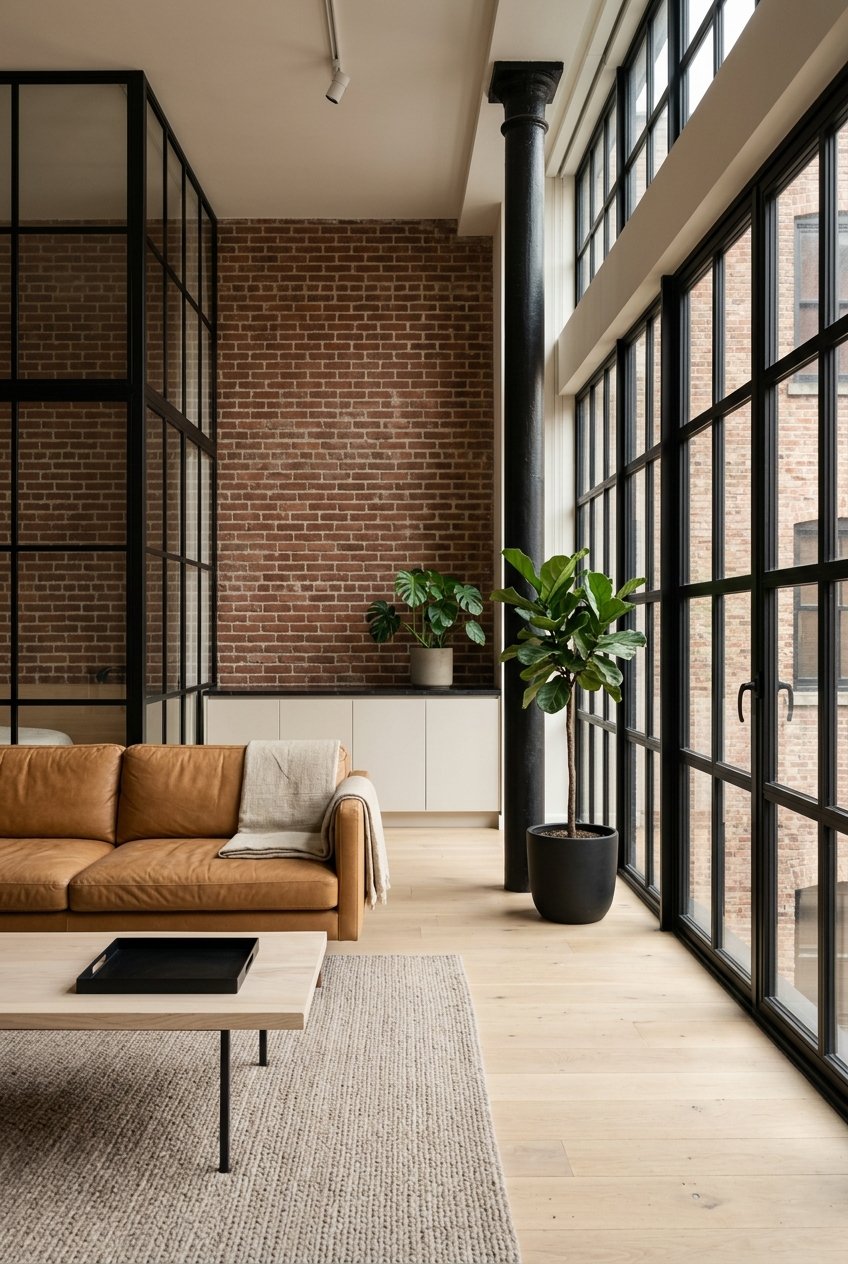
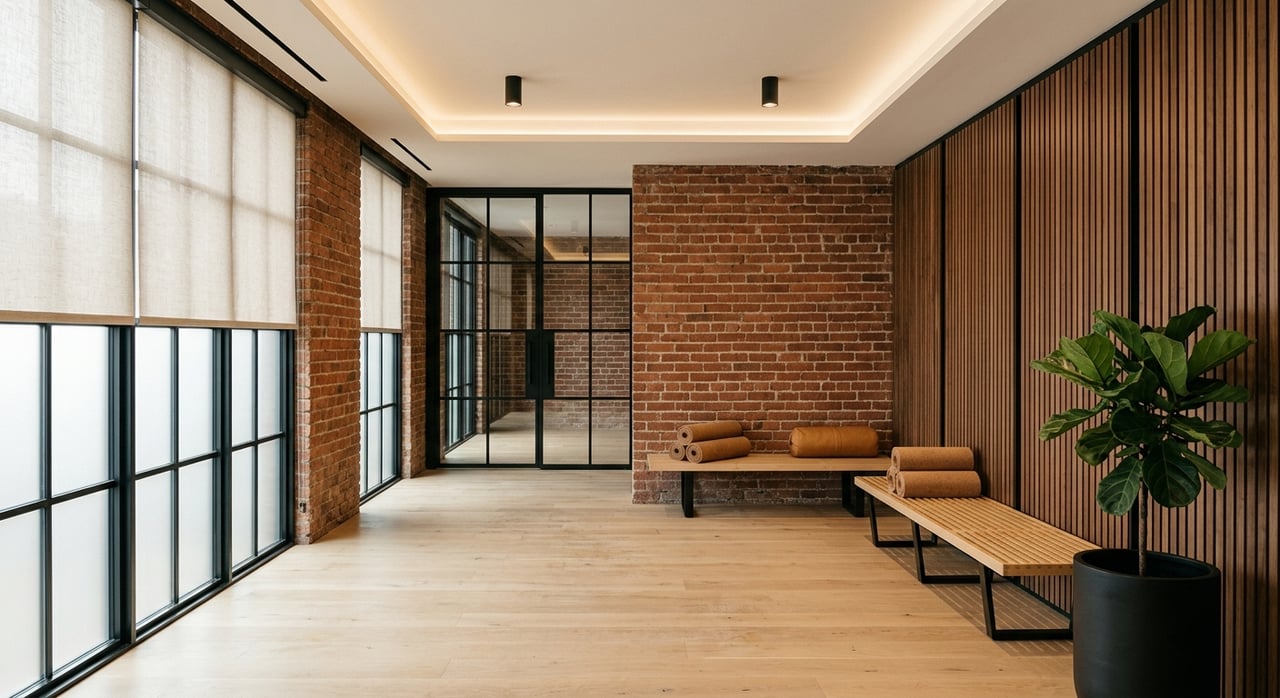
The best staging for a SoHo loft usually begins with restraint. Open floor plans and industrial proportions are part of the appeal, so too much furniture can make the home feel smaller, less flexible, and less distinctive. When buyers walk in, they should notice ceiling height, window scale, columns, beams, and flow before they notice accessories.
This is where editing becomes valuable. Remove pieces that interrupt sight lines or make zones feel cramped. Keep enough furniture to define use, but not so much that the loft loses its openness.
Negative space is not emptiness. It is what helps a buyer understand scale. In a loft, a little breathing room around seating, dining, and circulation paths can make the home feel more expansive and more expensive.
That also helps photography. Clean composition gives online buyers a faster read on what the space offers, which is critical because many first impressions now happen on a screen.
SoHo’s appeal is often tied to features that cannot be recreated easily. Tall windows, cast-iron context, masonry walls, industrial proportions, and historic loft bones all contribute to the value story. Your staging should support those details, not compete with them.
That means avoiding layouts that block windows or obscure structural elements. It also means using art and decor with a lighter hand. A more edited approach often feels more confident in a historic loft.
Not every space needs the same level of effort. According to the National Association of Realtors’ 2023 Profile of Home Staging, the rooms most often staged when selling are the living room, kitchen, primary bedroom, and dining room. In a SoHo loft, those spaces usually do the most work in showing lifestyle, light, and functionality.
If you are prioritizing your budget, start there first.
The living area should feel conversational and grounded without breaking up the openness of the loft. Use furniture that defines the zone while still preserving clear pathways and broad sight lines. The goal is to show how the room lives, not to fill every inch of it.
In many lofts, kitchen and dining spaces blend into the larger public rooms. Staging should make them feel intentional and scaled correctly. A dining setup that feels proportionate to the room can help buyers understand how the home works for everyday living and entertaining.
The primary bedroom should read as calm and private, even in an open-plan or flexible layout. Soft layering, clean lines, and minimal visual clutter help create a sense of retreat. Buyers should understand that the loft can offer both openness and comfort.
Some of the most effective staging steps are the least flashy. NAR found that agents most commonly recommend decluttering, entire-home cleaning, and removing pets during showings. In a SoHo loft, these basics matter even more because open layouts put everything on display.
Before photography and tours, focus on:
Clean glass and polished surfaces can also make a major difference in how light reads both in person and in listing media.
Light is one of the biggest selling tools in a SoHo loft. Buyers often make assumptions about value, mood, and usability based on how a space photographs. NAR reported that buyers’ agents rated photos as much more or more important in listings 77% of the time, videos 74%, and virtual tours 42%.
That means staging and media should work together. Daylight should be easy to see. Interior lighting should feel layered and warm. And window areas should remain as open as possible so buyers can understand the scale and brightness of the loft immediately.
NAR’s research also found that physical staging outranked virtual staging in importance. For a luxury SoHo listing, that is a useful reminder. Digital polish can help, but it cannot replace a space that looks and feels right in real life.
A thoughtfully staged home supports photography, video, and private showings at the same time. That consistency builds trust with buyers.
One of the biggest staging challenges in any loft is helping buyers understand how the open floor plan functions. The answer is usually not to over-partition the space. Instead, use furniture placement, rugs, lighting, and scale to suggest purpose while preserving openness.
A strong layout might show a living area that feels welcoming, a dining area that feels anchored, and a bedroom area that feels restful. When done well, buyers can see flexibility without feeling uncertainty.
Staging does not stop with furniture. The listing story matters too. Buyers often begin the process with a clear picture of where they want to live and what kind of home they want, so your marketing should clarify the loft’s identity quickly and precisely.
For a SoHo loft, strong copy usually works because it is specific. It explains what kind of loft this is, how the light moves through it, how the plan lives day to day, and what makes the building or block notable. It should sound confident, but not inflated.
In SoHo, phrases like “one-of-a-kind” or “ultra-luxury” mean less than concrete details. Buyers respond better to real substance, such as ceiling height, gallery-like wall space, entertaining flow, quiet bedroom placement, or preserved architectural character. Precision feels more credible than hype.
That is especially important in a neighborhood where history is part of the product. The best storytelling translates provenance into everyday value.
If you want a simple framework before going to market, focus on these steps:
In this market, staging is not about making your loft look trendy. It is about helping the right buyer see the home clearly and feel its value right away. In a neighborhood shaped by historic store-and-loft buildings, the most effective presentation usually feels edited, architectural, and true to the space.
When your loft is staged with that level of care, it can stand apart for the right reasons. If you are preparing to sell a SoHo loft and want a more tailored, design-forward strategy, Annie Azzo offers a discreet, high-touch approach to staging, storytelling, and launch planning.
Stay up to date on the latest real estate trends.
If you’re ready to unlock the finest New York has to offer, Annie is the key. Her in-depth market knowledge and an unwavering commitment to client satisfaction make her a trusted advisor for both buyers and sellers looking to indulge in the complexities of New York City's real estate landscape.