Your Greenwich Village Downsizing Guide for the Next Chapter
May 14, 2026
May 14, 2026
If you are thinking about a move that feels less like starting over and more like editing well, Greenwich Village may already be on your shortlist. For many buyers entering a new chapter, the appeal is not just the address. It is the mix of historic architecture, walkable daily life, cultural energy, and homes that can offer character without the upkeep of a full townhouse. This guide will help you decide whether Greenwich Village fits the way you want to live now and in the years ahead. Let’s dive in.
Greenwich Village is more than a well-known Manhattan neighborhood. Manhattan Community Board 2 describes the broader district as a place shaped by political activism, distinctive architecture, artistic community, and cultural diversity. That context matters because the Village tends to feel like a lived-in neighborhood with a strong sense of identity, not just a collection of buildings.
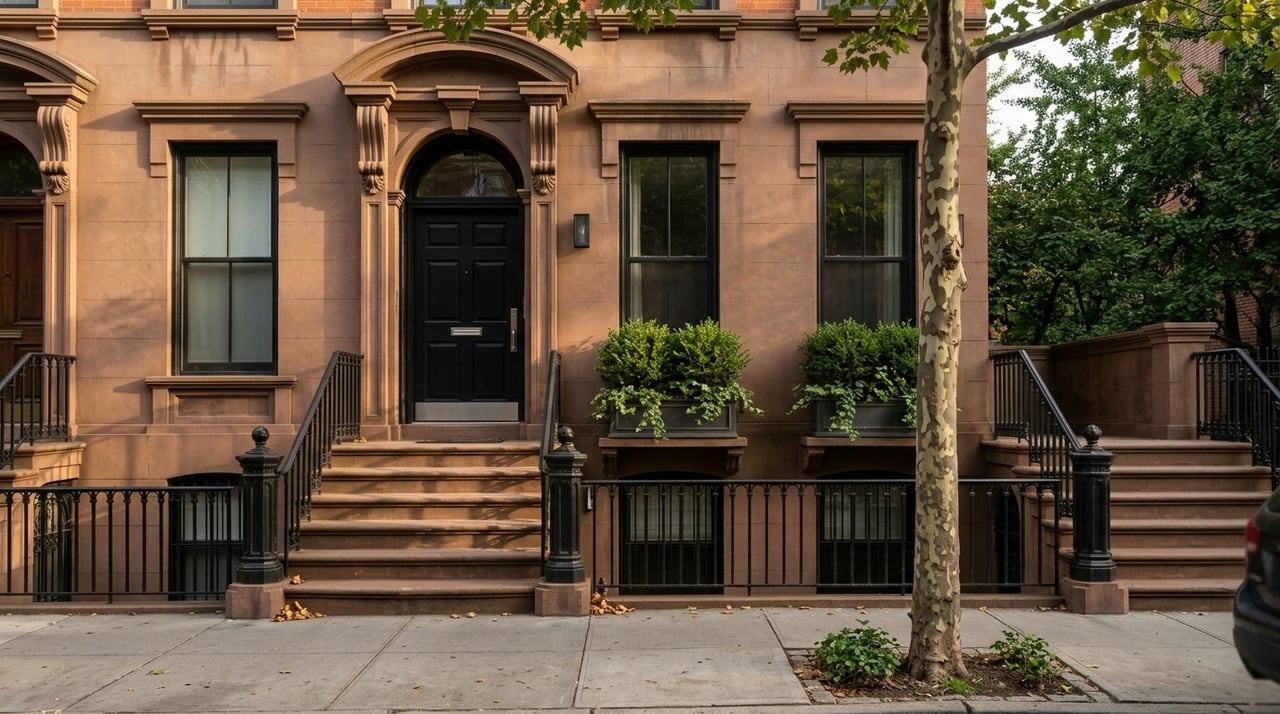
The area’s historic character is also unusually significant. The Greenwich Village Historic District was designated in 1969, and the Landmarks Preservation Commission describes it as the largest historic district in New York City, with more than 2,000 buildings across more than 65 blocks. If you are drawn to streets that feel visually cohesive and architecturally layered, that preservation story is a big part of the appeal.
For many buyers, a next chapter means rightsizing rather than simply downsizing. You may want less maintenance, easier daily routines, and a home that still feels special. Greenwich Village can work well for that because its housing stock is varied, and that variety gives you more than one path forward.
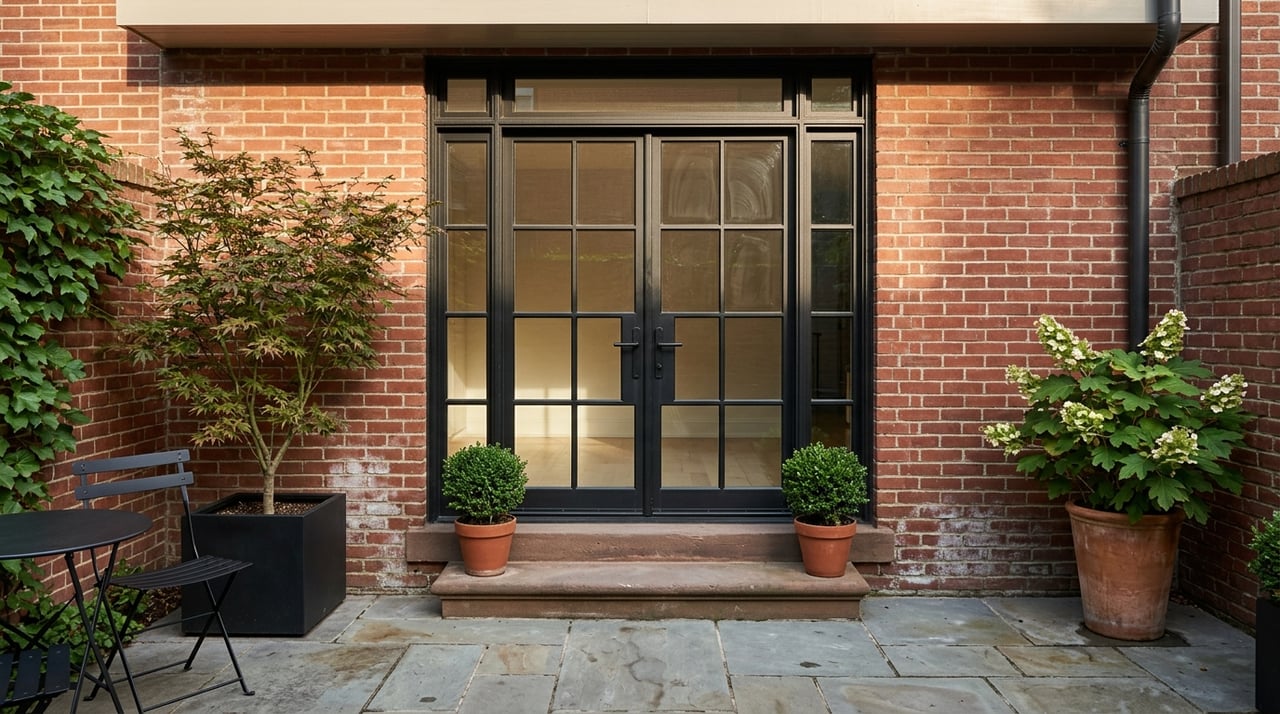
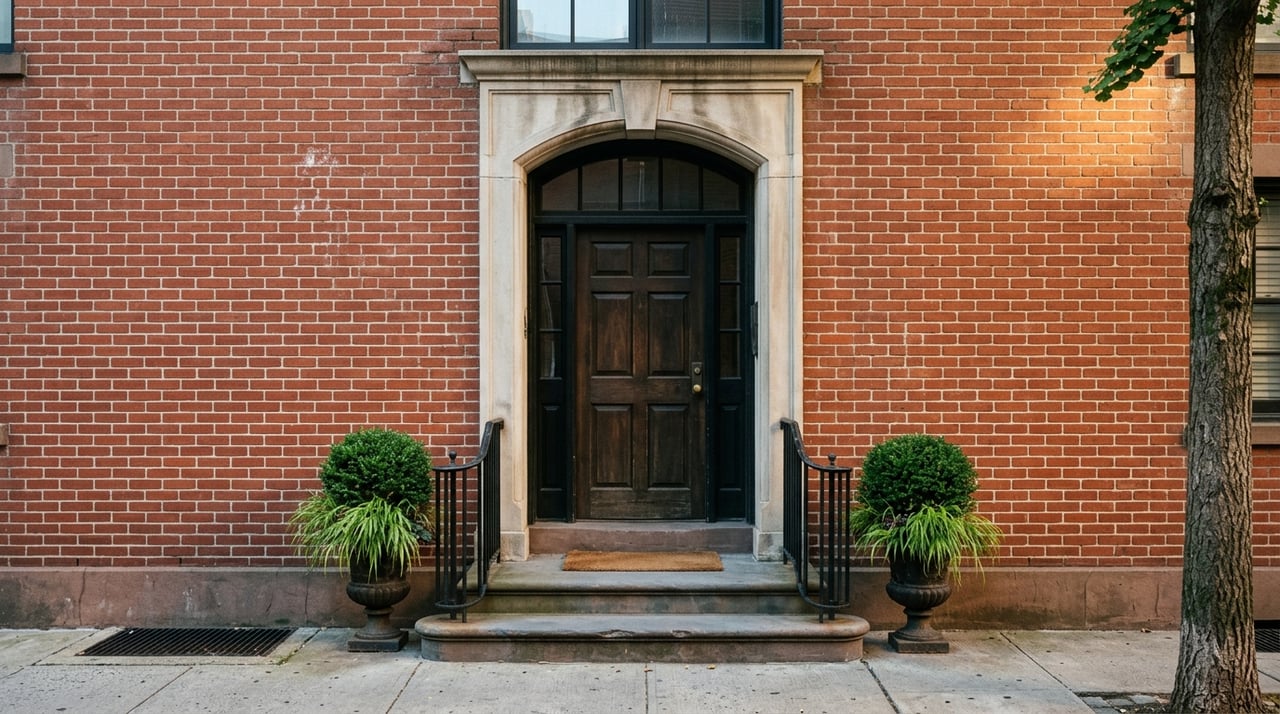
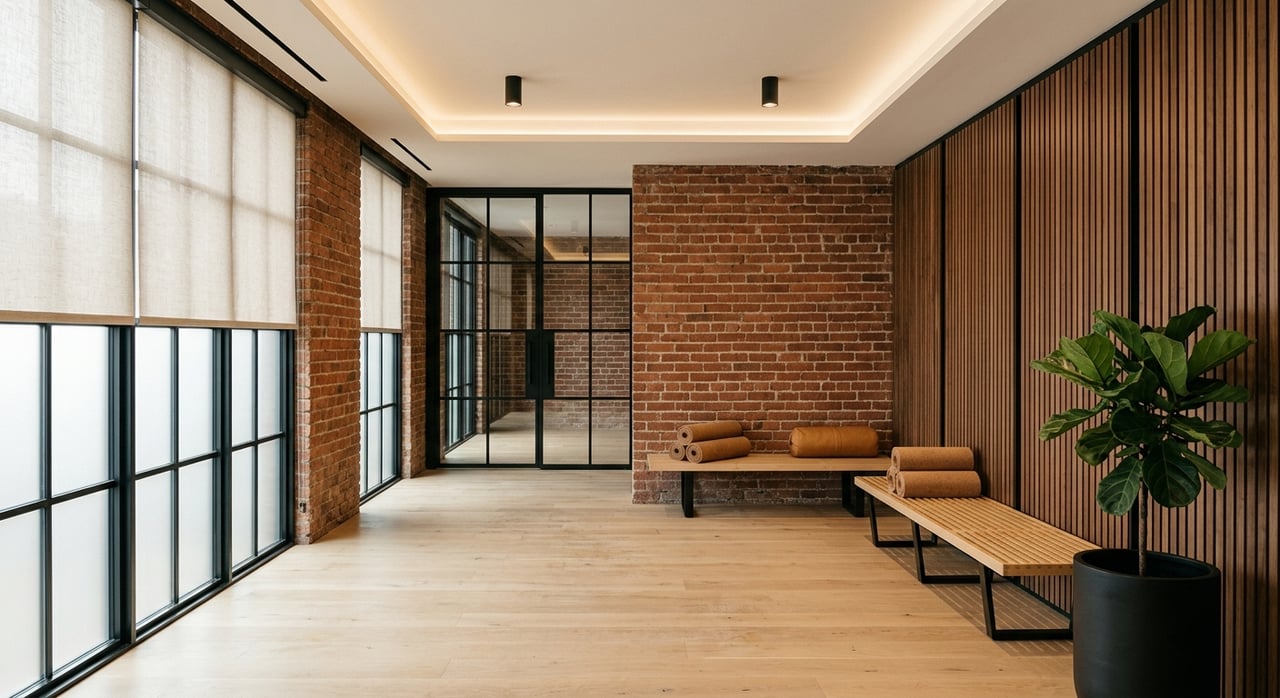
The neighborhood includes early row houses, converted single-family houses, tenements, apartment buildings, churches, warehouses, and later apartment conversions. In practical terms, that means you can find classic prewar apartment living, loft-style spaces, and homes with architectural detail that still support a more manageable lifestyle. If your goal is to simplify without losing charm, the Village offers a strong mix of options.
One of Greenwich Village’s strengths is that it is not one-note. Some buyers are still drawn to townhouse living, but many want the character of an older neighborhood with less day-to-day responsibility. In that case, apartment buildings and converted properties can offer a more comfortable fit.
The far-west side of Greenwich Village is especially useful to consider. The Landmarks Preservation Commission describes this section as a mixed-use area that evolved over time with residences, industry, transportation, and maritime-related commerce, and it includes later apartment conversions. For a buyer who wants personality and history but not the demands of a full townhouse, that can be a practical sweet spot.
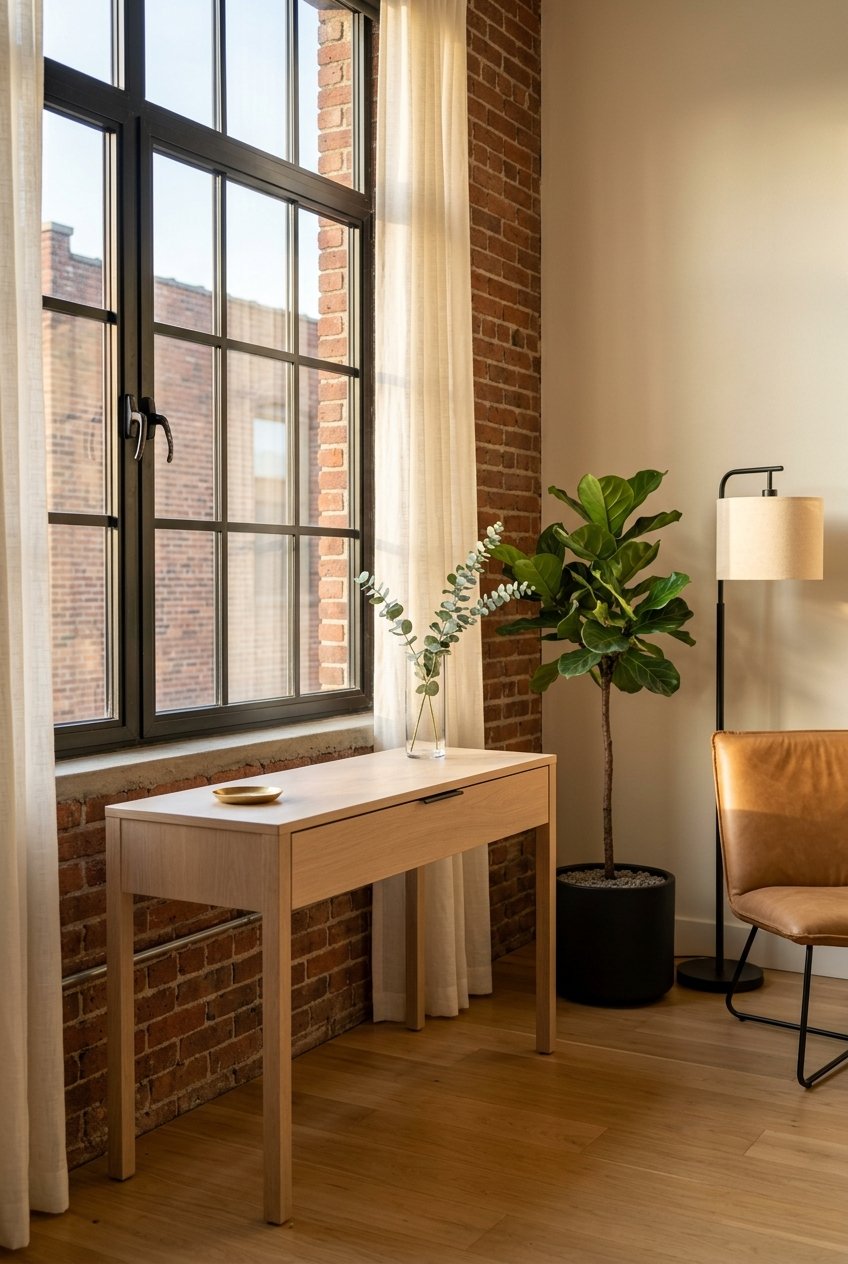
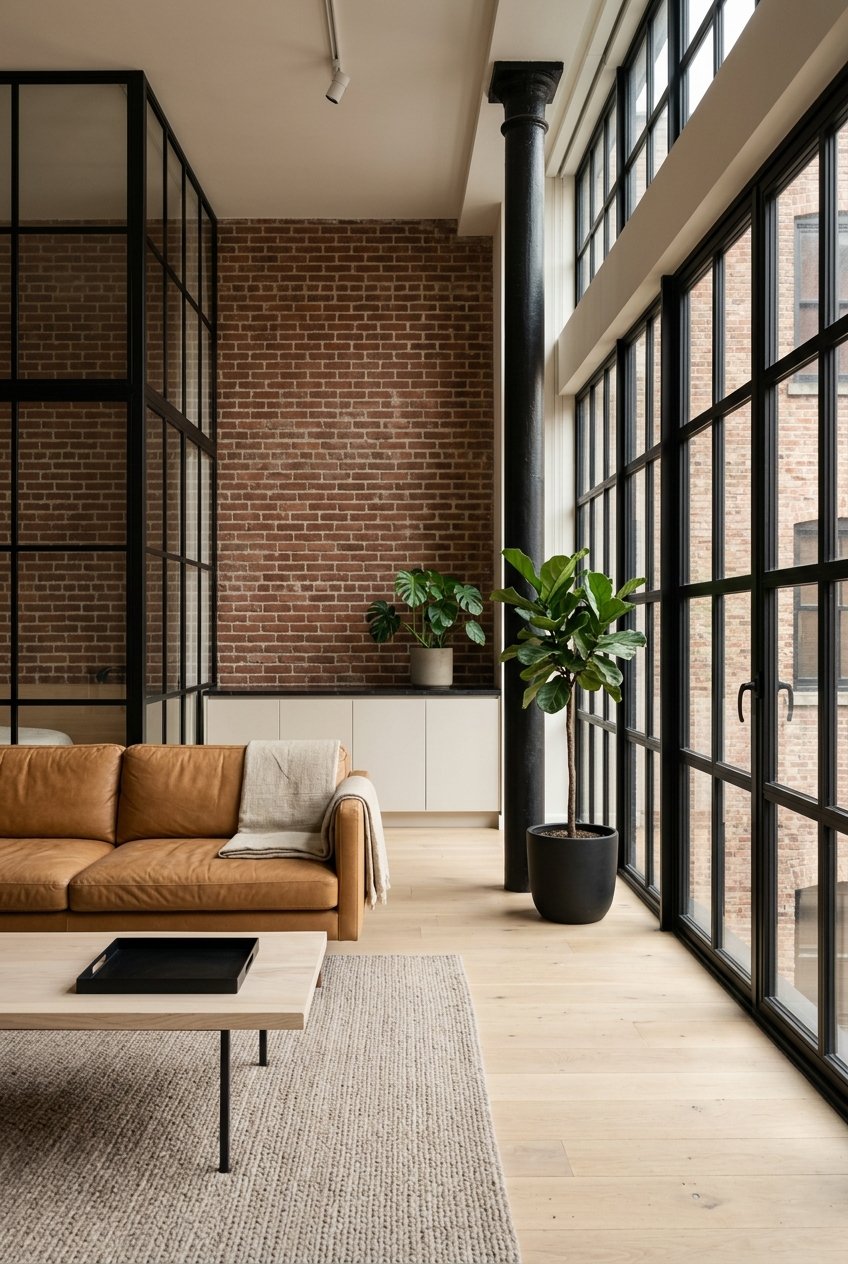
A classic townhouse can deliver scale and privacy, but it may also bring more upkeep and less flexibility if the building is landmarked. A prewar apartment may offer a more lock-and-leave lifestyle while keeping the architectural texture many buyers want. A loft-style conversion can appeal if you prefer open layouts and a slightly more industrial feel.
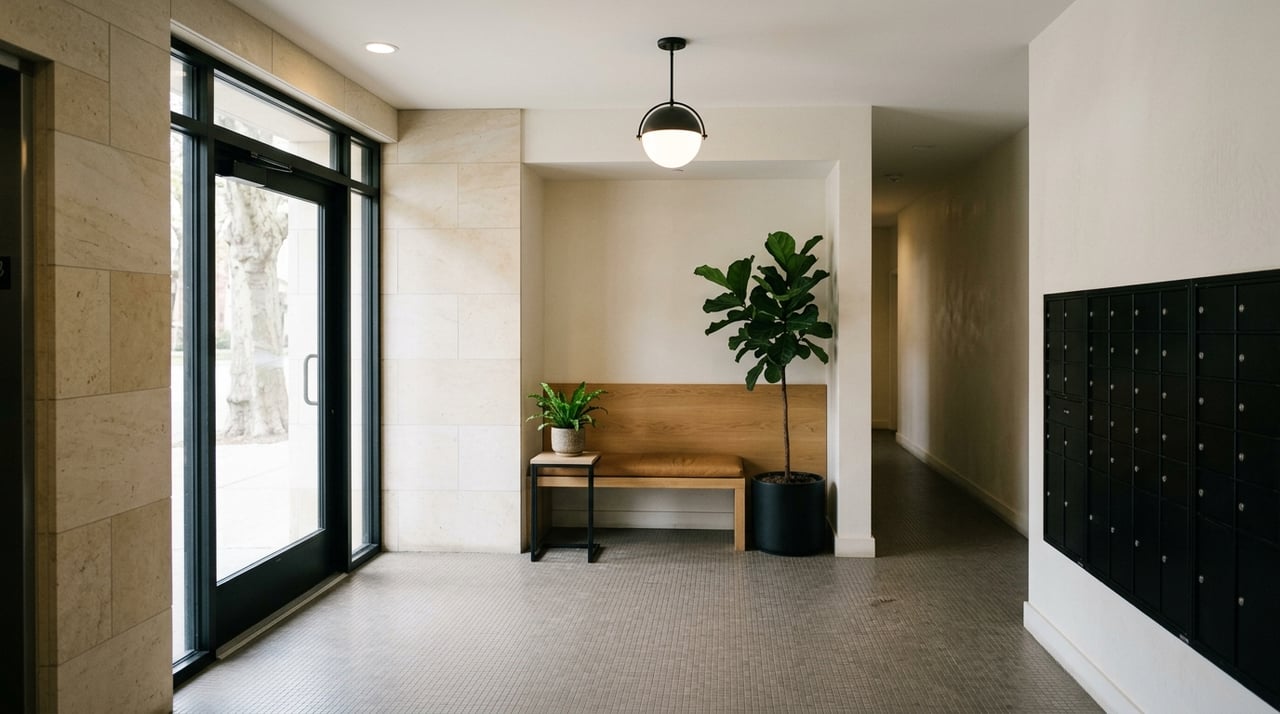
Your best fit depends on how you want to live every day. If ease, service, and long-term convenience are priorities, many buyers find themselves gravitating toward elevator buildings or thoughtfully converted residences. If owning a piece of historic New York is part of the dream, the Village gives you that opportunity in several forms.
One reason Greenwich Village continues to attract buyers in transition is how easy daily life can feel without a car. Community District 2 planning materials describe the area as centrally located and highly accessible by transit. That supports a low-car lifestyle built around short walks, nearby errands, and quick connections across downtown and beyond.
This matters when you are choosing a home for the next phase of life. A neighborhood can be beautiful, but if daily routines feel complicated, the fit may not last. In Greenwich Village, many essentials of city living are close at hand, which is part of what makes the area feel so livable.
Greenwich Village is transit-rich, but accessibility is not identical at every station. The MTA lists West 4 St-Washington Sq, 14 St/6 Av, and 14 St/8 Av as accessible stations, while 14 St-Union Sq is listed as not accessible. The practical takeaway is simple: if elevator access matters to you now or may matter later, it is worth checking your nearest station rather than assuming convenience is the same on every block.
That same building-by-building mindset applies to your home search. In a historic neighborhood, two properties a few blocks apart can offer very different day-to-day experiences. If you are planning with comfort and longevity in mind, those details deserve close attention.
Washington Square Park is one of the Village’s clearest lifestyle anchors. NYC Parks lists the park at 9.749 acres and notes amenities that include dog-friendly areas, eateries, playgrounds, public restrooms, spray showers, great trees, and Wi-Fi hotspots. That range of amenities helps explain why the park is part of everyday life for so many residents.
The park also contributes to the neighborhood’s rhythm. NYU states that its Washington Square campus is centered in Greenwich Village around the park, which helps explain the steady foot traffic and consistent activity in the area. If you like an urban setting with visible energy throughout the day, this can feel exciting and convenient. If you prefer a quieter pace, your exact location within the Village will matter.
Greenwich Village has long been associated with artists, writers, activism, and civic life. The National Park Service describes the Greenwich Village Historic District as a cultural and political hub and notes associations with jazz clubs, Off-Broadway theaters, the Whitney Museum of American Art, Parsons School of Design, and NYU. That kind of cultural density is part of what gives the neighborhood its lasting draw.
For many buyers, this is not just a nice extra. It shapes how the neighborhood feels on an ordinary Tuesday as much as on a weekend. Living here can mean being close to public spaces, performances, institutions, and streets that carry a strong sense of place.
Stonewall National Monument is another important marker of the neighborhood’s identity. The National Park Service notes that the monument is in Greenwich Village, that the visitor center opened on June 28, 2024, and that entry is free. It also notes that the main entrance to Christopher Park is wheelchair accessible.
Features like this add depth to daily life in the Village. They reinforce that this neighborhood is not only visually distinctive, but also historically and culturally significant. For buyers who value meaning as much as convenience, that can be a compelling part of the decision.
These neighborhood names are often used together, but they do not feel exactly the same. Community Board 2 groups Greenwich Village, West Village, NoHo, and nearby enclaves together within the same downtown district. Even so, the housing stock and street experience can shift noticeably from one area to another.
Around Washington Square, Greenwich Village tends to read as the park-and-campus core. The far-west side, often associated with the West Village, is described in landmark materials as a mixed-use waterfront area with residences and later apartment conversions, which can translate to a more low-rise, residential feel. NoHo offers a different identity again.
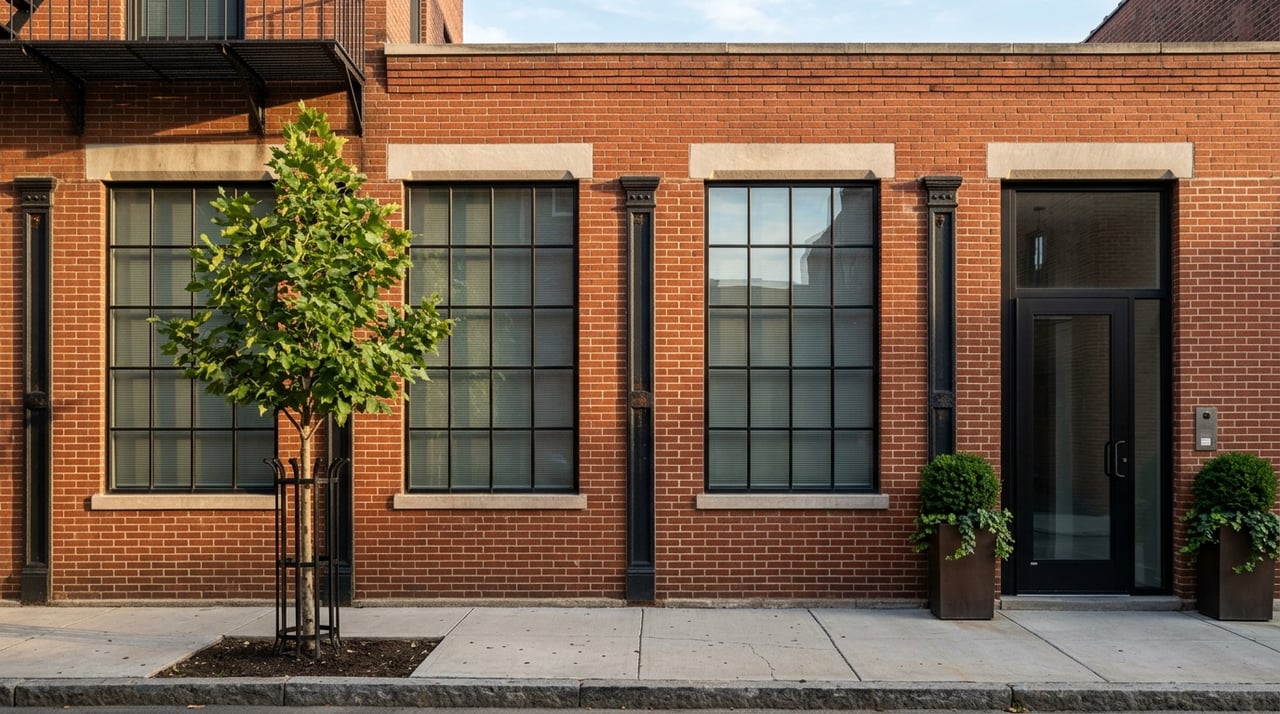
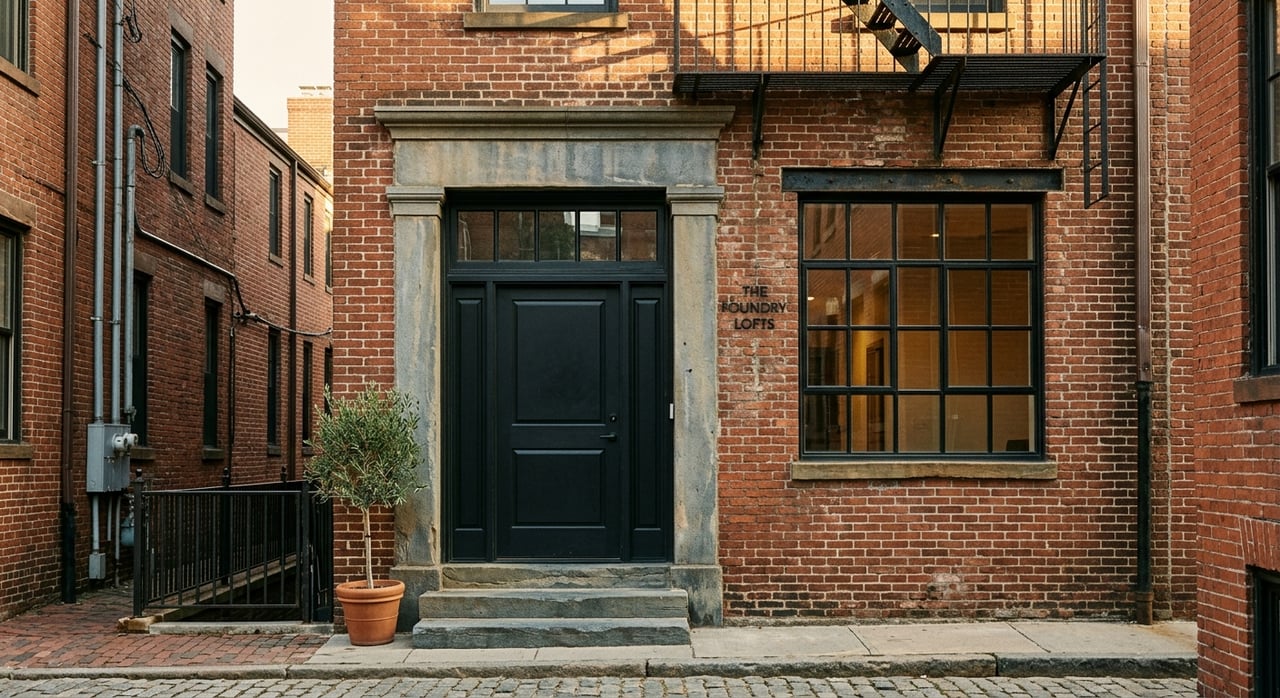
The NoHo Historic District report describes that area as representing New York’s commercial history from the 1850s through the 1910s, with the store-and-loft building as a defining type. Planning materials also describe NoHo as a mixed-use district and a hub for commerce, jobs, and culture. In practical terms, NoHo often feels more loft-oriented and more commercial in character than Greenwich Village.
If you are deciding between the two, your choice may come down to atmosphere as much as architecture. Greenwich Village often appeals to buyers who want townhouse-and-apartment fabric, park-centered living, and a classic neighborhood feel. NoHo may appeal more if you are drawn to larger loft aesthetics and a more overtly commercial-urban environment.
Historic character is a major advantage in Greenwich Village, but it comes with practical implications. The Landmarks Preservation Commission explains that in historic districts, owners generally need LPC approval for most exterior alterations. It also notes that ordinary interior alterations usually do not require review unless they affect the exterior or a designated interior landmark.
This is important if you are considering a home that you plan to customize. Greenwich Village can be an excellent fit if you value preservation, architectural continuity, and a neighborhood that has retained its visual identity over time. It may be less ideal if you want broad freedom to alter a facade or move quickly on exterior changes.
The Village is often a smart choice for buyers who want walkability, culture, and an easy urban routine. Still, long-term comfort should be part of the conversation. Accessibility can vary by building and by transit stop, and landmark status may affect what changes are possible over time.
That does not make the neighborhood less appealing. It simply means the right match is highly specific. In Greenwich Village, the best home is rarely just about square footage. It is about how a particular building, block, and layout support the life you want next.
Greenwich Village is often a strong fit if you want historic architecture, rich street life, park access, and a deeply walkable Manhattan lifestyle. It can be especially appealing if you are rightsizing into a home with character and want to stay connected to culture, dining, and public space. For many buyers, it offers a way to simplify without sacrificing identity.
It may be less ideal if your priorities center on car-oriented convenience, large private outdoor space, or maximum flexibility for exterior remodeling. That is why a nuanced, block-by-block approach matters here. In a neighborhood this layered, the right fit comes from matching your daily habits and long-term goals to the exact kind of home and micro-location you choose.
If you are weighing whether Greenwich Village fits your next chapter, a thoughtful local lens can make all the difference. Annie Azzo offers discreet, concierge-style guidance for Downtown Manhattan buyers and sellers who want a more tailored approach.
Stay up to date on the latest real estate trends.
If you’re ready to unlock the finest New York has to offer, Annie is the key. Her in-depth market knowledge and an unwavering commitment to client satisfaction make her a trusted advisor for both buyers and sellers looking to indulge in the complexities of New York City's real estate landscape.