
How to Sell a SoHo Luxury Loft in Today’s Market
June 4, 2026
June 4, 2026
If you own a SoHo loft, you are not selling just another Manhattan apartment. You are bringing a rare piece of downtown architecture to market in a neighborhood where turnover stays low and buyers know the difference between generic luxury and truly collectible space. In today’s market, that can work in your favor, but only if your pricing, presentation, and launch strategy match how buyers are actually shopping. Let’s dive in.
SoHo remains one of downtown Manhattan’s most distinct luxury submarkets. StreetEasy currently shows a $3.4 million median sale price and 54 median days on market in SoHo, which places the neighborhood well above the Lower East Side and East Village and roughly in line with Tribeca.
That pricing tells an important story. Buyers in SoHo are often not comparing your loft to a standard amenity-driven condo. They are evaluating a rarer product shaped by scale, light, proportion, and architectural character.
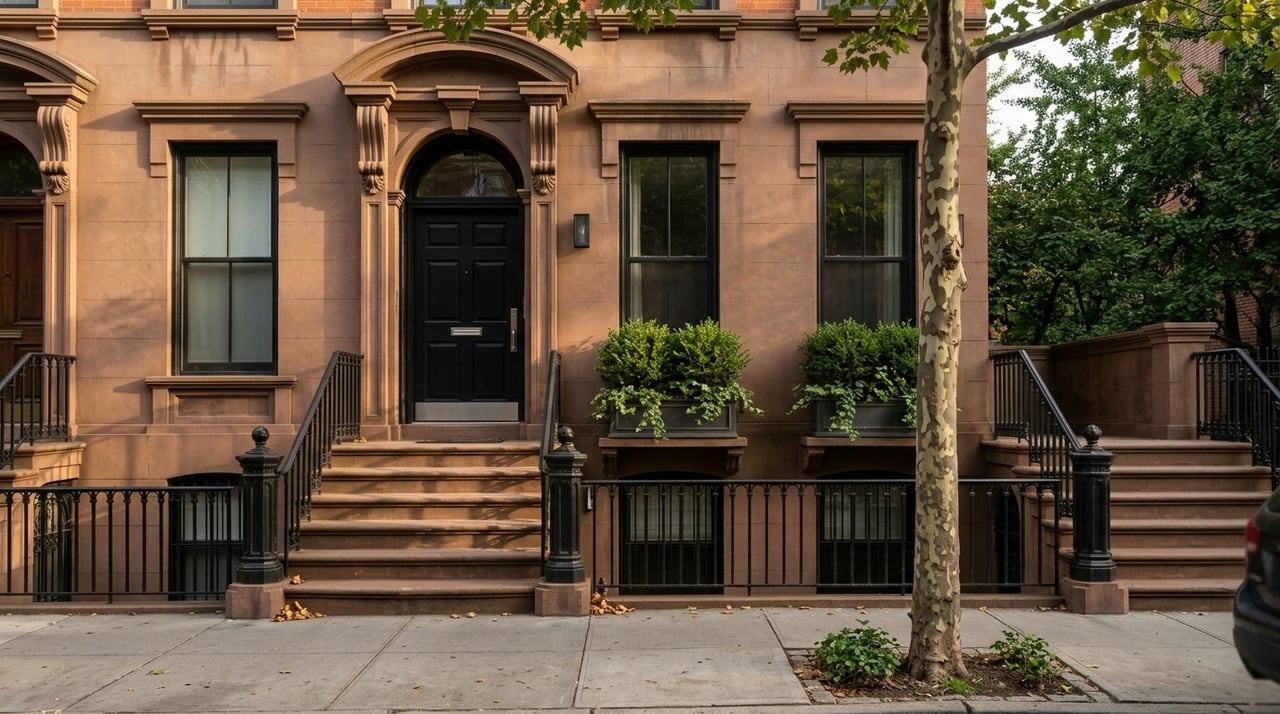
A big reason is the neighborhood itself. The SoHo-Cast Iron Historic District was designated by the Landmarks Preservation Commission in 1973, and city records describe the area as having the world’s largest concentration of full and partial cast-iron facades.
That historic fabric still shapes buyer demand today. Many SoHo buildings are former textile factories, and the neighborhood’s low vacancy and low turnover reinforce the sense that a well-positioned loft is a scarce offering.
The broader Manhattan market is active, but buyers are measured. StreetEasy’s March 2026 report shows a $1.395 million median asking price, 7,987 homes for sale, 1,032 homes entering contract, and a 64-day median time on market across Manhattan.
StreetEasy described that market as balanced, with competition warming as the share of homes selling above their latest asking price rose year over year. Its April 2026 update also noted that NYC homes sold at a median of 97.9% of latest asking price.
For you as a seller, that usually means one thing: buyers are still engaged, but they are less forgiving of overpricing. In a balanced market, strong presentation and clear value tend to outperform wishful pricing.
At the top end, demand is still very real. Olshan reported 1,436 contracts in Manhattan’s $4 million-plus market in 2025, up 11% year over year, making it the second biggest year since the firm began tracking that segment in 2006.
That matters in SoHo, where many lofts fall squarely into the luxury category. It suggests that well-prepared, character-rich homes can still attract serious attention, especially when they enter the market with the right strategy.
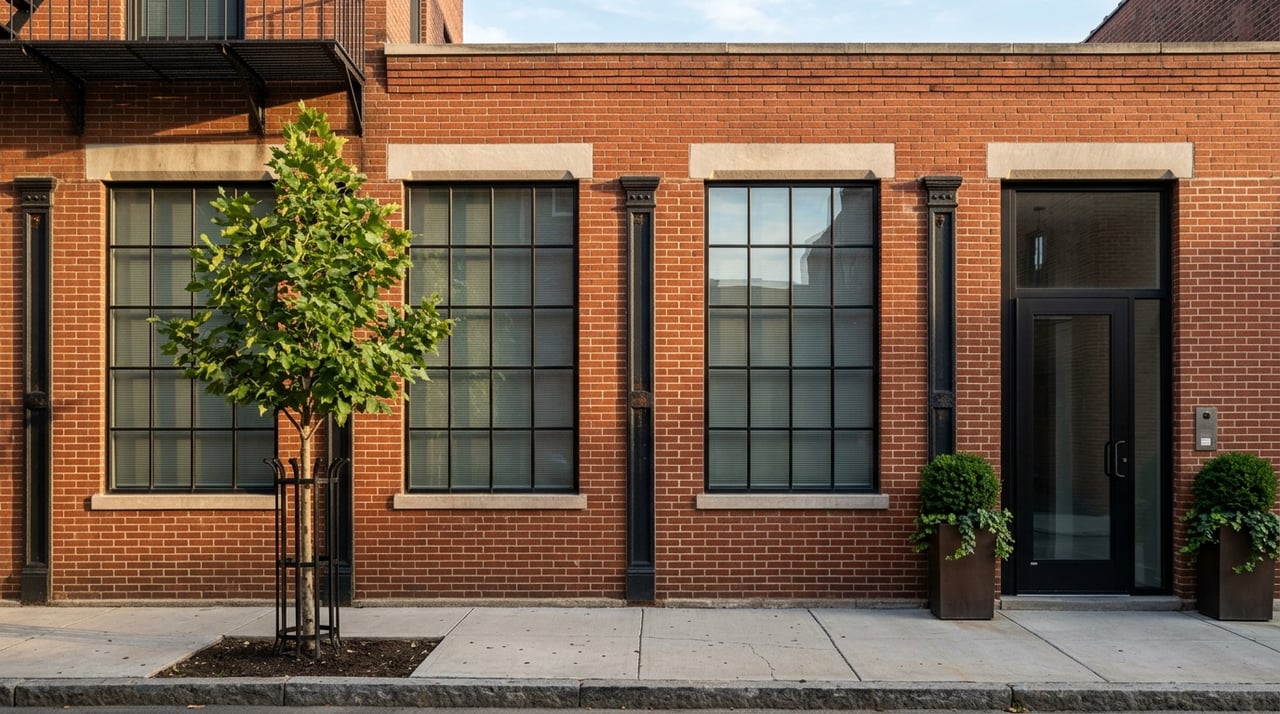
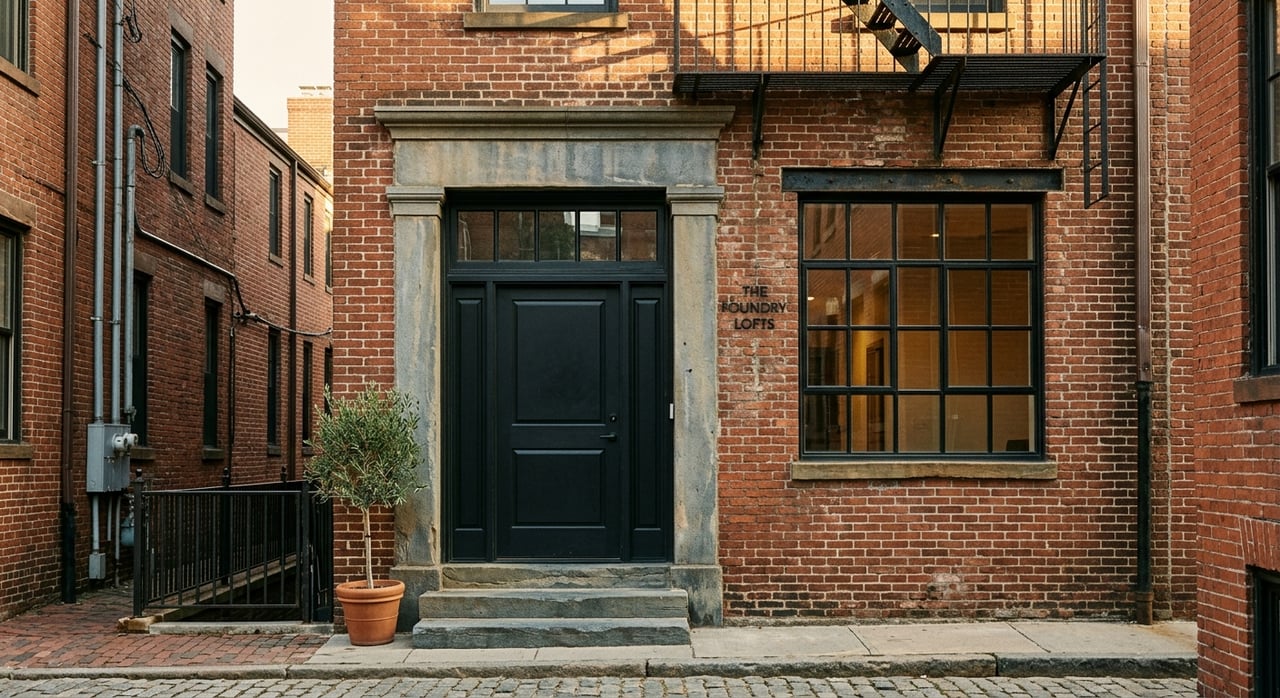
In SoHo, architecture is part of the value. Buyers are often paying for high ceilings, oversized windows, open spans, long sightlines, and the feeling of volume that newer homes may struggle to replicate.
StreetEasy’s buyer guidance notes that prewar homes are prized for spacious, well-proportioned layouts, high ceilings, large windows, original hardwood floors, and ornate details. Homes with those features and generous square footage often command a premium.
That framework fits SoHo lofts closely. If your home has authentic scale and a strong layout, those fundamentals often matter more than chasing trend-driven upgrades that may not add meaningful value.
At the same time, buyers in this price range do notice condition. While many will embrace age and character, dated kitchens, tired baths, poor lighting, or older mechanical systems can weaken the premium your loft might otherwise command.
One of the most important things SoHo sellers should understand is that visible changes are not always fully discretionary. The Landmarks Preservation Commission says it must approve in advance most alterations, reconstructions, demolitions, and new construction affecting designated buildings, and it also reviews most alterations within historic districts.
That does not mean selling a SoHo loft has to be complicated. It means your pre-sale improvements should be thoughtful and realistic.
In many cases, interior work is usually outside LPC review unless it affects the exterior or requires a permit. For sellers, that often makes cosmetic interior updates the most efficient path before listing.
A smart prep plan may focus on:
This kind of work can sharpen the apartment’s presentation without creating unnecessary delays. In a neighborhood where the shell and proportions are part of the story, subtle improvements often do more than a rushed renovation.
Luxury buyers in SoHo are often balancing romance and practicality. They want the historic shell, but they also want the home to live well.
That means your loft needs to communicate both emotion and usability. Buyers may respond to exposed columns, cast-iron details, large windows, and wide-open entertaining space, but they will also ask whether the layout flows, whether storage works, and whether the finishes feel current enough for the price point.
This is where presentation becomes essential. Professional photography, measured floor plans, and a clear visual story help buyers understand not just what the loft is, but how it feels to live there.
For a design-forward SoHo property, editorial storytelling can be especially powerful. Rather than overselling, the goal is to present the loft with restraint and clarity so the architecture speaks for itself.
Pricing is one of the biggest decisions you will make, especially in a market where buyers remain active but disciplined. SoHo’s $3.4 million median sale price is useful context, but it is not a shortcut.
Every loft trades on its own combination of factors, including scale, condition, exposure, floor height, building profile, and the quality of the renovation. Two homes on the same block can attract very different reactions depending on how clearly they deliver on the SoHo promise.
In today’s market, overpricing can create drag. If buyers do not immediately see the value in the photos, floor plan, and first round of showings, the market may become harder to recapture later.
A more effective approach is usually to price to the actual buyer pool for your specific loft, not to an aspirational number. In a neighborhood with low turnover and distinctive inventory, precision matters.
Not every SoHo seller wants maximum exposure on day one. If privacy matters, Compass offers tools that can support a more controlled launch.
Compass says its Private Exclusives stage keeps a property off the MLS and does not distribute it to other brokerage firms or public sites. That can give you a quieter way to test pricing and demand before going fully public.
There is a tradeoff, though. Compass also notes that this approach can reduce the number of potential buyers, showings, offers, and even the final sale price.
For some sellers, that tradeoff is worth it. For others, broader exposure is the better path. The right answer depends on your priorities, timing, and tolerance for visibility.
A phased launch can be especially useful for a SoHo loft because it gives you room to calibrate. Compass says its Coming Soon program allows listings to appear only on Compass.com before a full public debut, helping generate early demand while preserving some control over the rollout.
That can be helpful if you want to build interest, refine messaging, or test response before the property hits the broader market. It also fits well with Annie Azzo’s boutique, high-touch approach, where presentation and timing are treated as part of the strategy, not an afterthought.
Compass also offers seller tools such as Reverse Prospecting and a Buyer Demand Tool, which can help inform how buyers are responding at certain price points. Combined with a tailored narrative and polished visuals, those tools can help shape a more confident public launch.
If you are considering a sale in the next 6 to 18 months, starting early can give you more options. The current market data points in a clear direction: SoHo remains scarce and expensive, Manhattan is balanced rather than overheated, and luxury buyers are present but selective.
That usually rewards thoughtful preparation over speed. You do not need to do everything at once, but you do want a clear sequence.
A practical roadmap often looks like this:
This kind of planning can reduce stress and help you avoid reactive decisions later. It also gives your loft the best chance to enter the market in its strongest form.
In a neighborhood like SoHo, buyers are not just purchasing square footage. They are buying a feeling, a visual identity, and a certain kind of downtown living.
That is why curation matters. The right staging, photography, and story can help a buyer understand the difference between a nice apartment and a memorable loft.
For sellers of architecturally significant homes, that difference is often where value lives. A polished, discreet, design-aware strategy can help your property connect with the right audience without losing what makes it special.
If you are thinking about selling a SoHo loft and want a thoughtful plan that balances discretion, design, and market data, Annie Azzo offers a boutique approach backed by Compass tools and Downtown Manhattan expertise.
Stay up to date on the latest real estate trends.



If you’re ready to unlock the finest New York has to offer, Annie is the key. Her in-depth market knowledge and an unwavering commitment to client satisfaction make her a trusted advisor for both buyers and sellers looking to indulge in the complexities of New York City's real estate landscape.