
What To Know About Boutique Condo Living In Nolita
June 18, 2026
June 18, 2026
Wondering whether a boutique condo in Nolita is the right fit for your next move? In a neighborhood known for its intimate scale, design-forward homes, and block-by-block charm, the answer often comes down to how you want to live, not just what you want to own. If you are weighing privacy, monthly costs, building rules, and the realities of downtown ownership, this guide will help you understand what boutique condo living in Nolita really looks like. Let’s dive in.
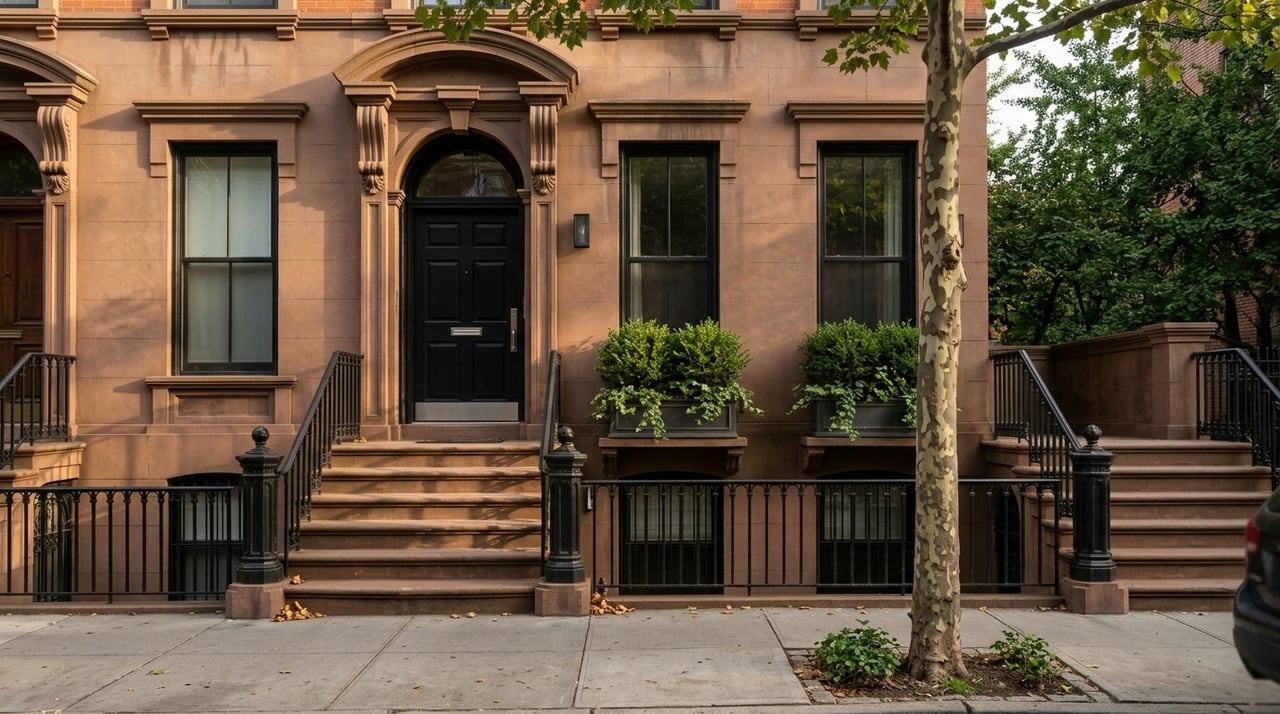
Nolita’s boutique identity is tied to the neighborhood itself, not just to marketing language. City planning materials describe the area around Nolita as largely low- to mid-rise, with many four- to seven-story residential buildings, often with ground-floor retail and a strong street presence.
That matters because the scale of the neighborhood shapes the housing experience. In many cases, you are not choosing between one glass tower and another. You are choosing within a setting defined by narrower streets, older building patterns, and a more intimate architectural rhythm.
In and around Nolita, historic context and special district rules can also influence what gets built and how buildings are altered. That helps explain why boutique-scale condos tend to feel natural here, while tower-style living is less central to the neighborhood’s character.
Boutique condo living in Nolita usually means fewer residences in the building, a closer connection to the street, and less of a high-rise atmosphere. Compared with larger towers, these buildings often feel quieter in one sense and more connected to neighborhood activity in another.
You may find fewer neighbors per floor and less elevator traffic. At the same time, lower floors can feel more exposed to street life, especially in a mixed-use area where storefronts and foot traffic are part of daily life.
That balance is part of the appeal for many buyers. If you value character, discretion, and a more tailored living experience, boutique condos can offer a very different rhythm from full-service tower buildings.
One of the biggest draws of boutique condos in Nolita is that layouts often feel less standardized. The neighborhood’s older building stock and narrower building forms can create homes with more variation in room shapes, window placement, and overall flow.
That can be a positive if you are drawn to architecture and individuality. A home may feel more curated and less formulaic than a typical high-rise apartment with a repeated floor plate.
It also means you should look closely at how the layout works for your daily life. A design-forward apartment can be beautiful, but function still matters, especially if you work from home, need more storage, or want clear separation between living and sleeping spaces.
If you are coming from a tower mindset, it is important to reset expectations. In Nolita boutique condos, value is often tied more to location, design, privacy, and architectural appeal than to an extensive amenity package.
That does not mean amenities are absent. It means you should verify exactly what the building offers rather than assume you will find a full suite of services such as large fitness centers, multiple lounges, or expansive staffed common areas.
New York offering-plan rules require sponsors to disclose actual building features and restrictions. For you as a buyer, that makes due diligence especially important in smaller buildings where every detail can have a bigger day-to-day impact.
In New York City condos, your monthly ownership cost is not just one number. Property taxes are billed separately, and common charges are separate as well.
That distinction matters in boutique buildings. A smaller condo may have lower overall operating expenses than a large full-service tower, but the per-unit share of fixed costs can still feel high because fewer owners are splitting those expenses.
You should also ask about reserves and the potential for assessments. If a building needs capital work or has limited reserve funds, owners may face added costs beyond regular common charges.
Before you buy, make sure you understand:
In a small building, these items can shape your ownership experience just as much as the apartment itself.
For some full-time buyers, the NYC co-op and condominium property tax abatement can make a meaningful difference in monthly carrying costs. According to NYC Finance, this benefit applies only when the condo is your primary residence.
There are also ownership limits. The unit cannot be owned by a business entity such as an LLC, and the amount of the abatement depends on the development’s average assessed value.
That means the numbers may look different depending on how you plan to use the home. If you are buying a primary residence, this benefit may improve affordability. If you are buying a pied-à-terre or planning LLC ownership, you generally should not count on that same tax advantage.
Nolita is a natural draw for buyers who want a part-time Manhattan home. But in a boutique condo, building rules can be especially important.
Condo offering plans may place limits on occupancy, guest use, leasing, business use, or corporate ownership. Those rules can directly affect whether a building suits a pied-à-terre lifestyle.
Just as important, the primary-residence tax abatement generally will not apply if the apartment is not your main home. If you are comparing options, that can materially affect your true monthly cost.
If you are buying with rental income in mind, do not treat short-term rental rules as a minor detail. In New York City, entire-unit rentals under 30 days are generally prohibited in permanent residential buildings unless the host remains present and no more than two paying guests stay with the host.
Booking platforms also may not process unregistered rentals, and buildings can notify the city that short-term rentals are not allowed. On top of city rules, each condo can have its own leasing restrictions that you need to review separately.
For many investors, the better question is not whether a boutique condo looks rentable. It is whether the city rules and the building rules align with your intended strategy.
It is easy to focus on beautiful kitchens, custom millwork, and a polished lobby. In boutique condo buildings, though, the financial and physical health of the property deserves equal attention.
The New York Attorney General’s consumer guidance advises buyers to review board minutes and financial reports and to inspect for major building issues. In practice, that means looking closely at items like facades, roofs, elevators, plumbing, electrical systems, and HVAC.
In a smaller building, major repair needs can affect owners more directly because the costs are spread across fewer units. A home can be visually stunning and still come with future capital obligations that you should understand upfront.
As of April 2026, Realtor.com reported 20 homes for sale in Nolita, with a median listing price of $3.499 million, a median price of $2,277 per square foot, and a median 62 days on market. That points to limited inventory in a neighborhood where the right property may not come along often.
For buyers, that usually means preparation matters. If you already know your priorities, understand the building structure, and have your financial picture in order, you are in a stronger position when a well-matched apartment hits the market.
In a micro-market like Nolita, the most appealing boutique condos often stand out for very specific reasons. It may be the scale, the architecture, the block, or the rarity of the offering itself.
A boutique condo can be a wonderful fit, but only if the building works for the way you live. Before making an offer, consider asking:
These questions help move the decision beyond aesthetics. They also help you compare boutique opportunities on a more practical level.
Boutique condo living in Nolita can be deeply appealing if you value architecture, intimacy, and a more refined connection to downtown life. The key is to pair that emotional pull with careful review of monthlies, building rules, and long-term ownership costs.
If you are considering a purchase in Nolita and want thoughtful, discreet guidance on how a specific building fits your goals, Annie Azzo can help you navigate the details with clarity and care.
Stay up to date on the latest real estate trends.



If you’re ready to unlock the finest New York has to offer, Annie is the key. Her in-depth market knowledge and an unwavering commitment to client satisfaction make her a trusted advisor for both buyers and sellers looking to indulge in the complexities of New York City's real estate landscape.