Understanding Landmark Loft Conversions In Noho
June 25, 2026
June 25, 2026
Looking at a loft in NoHo and wondering why it feels so different from a newer downtown condo? That difference is not just style. It comes from the neighborhood’s commercial past, landmark protections, and the way older buildings were originally designed to work. If you are considering a purchase in a NoHo loft conversion, understanding that history can help you read the space more clearly, budget more wisely, and avoid surprises. Let’s dive in.
NoHo’s character starts with its historic building stock. The NoHo Historic District was designated on June 29, 1999 and includes roughly 125 buildings that reflect the area’s commercial history from the early 1850s through the 1910s. According to the designation report, store-and-loft buildings and warehouses make up more than half of the district.
That history still shapes how homes live today. Many of these buildings were not designed as conventional apartments. They were built for storage, light manufacturing, showrooms, and offices, which helps explain why many converted residences feel open, flexible, and less standardized than newer homes.
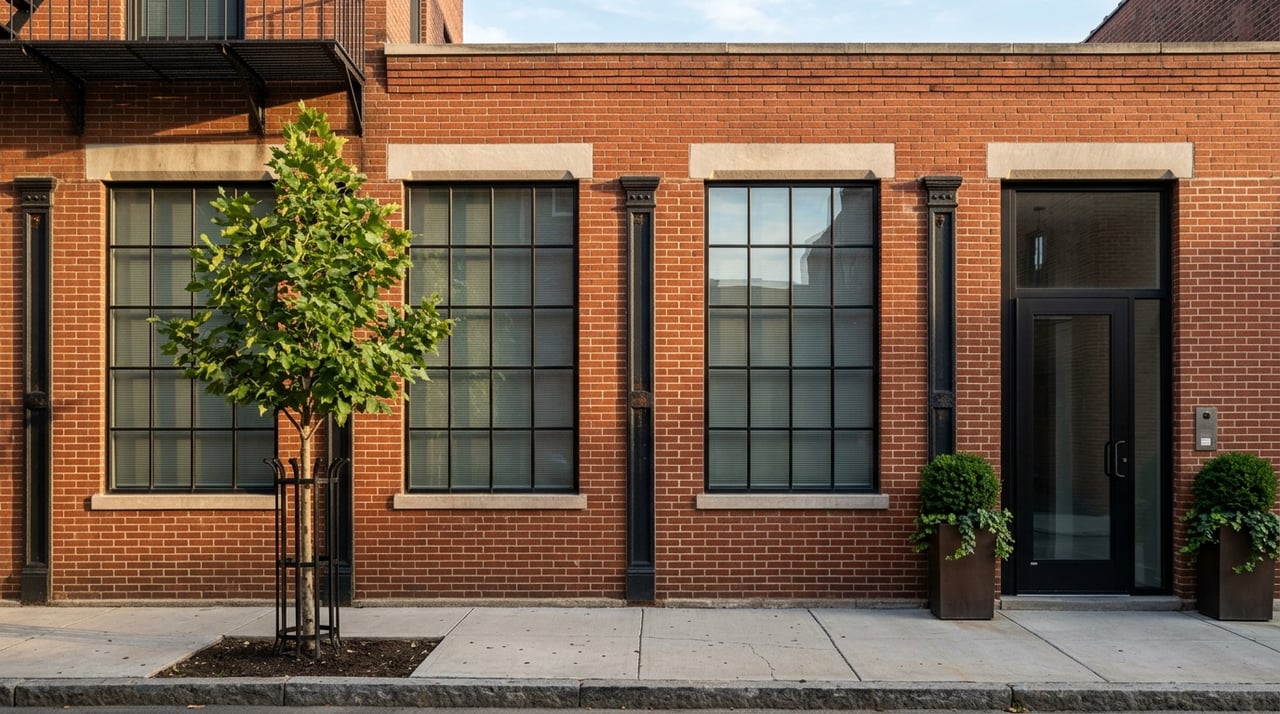
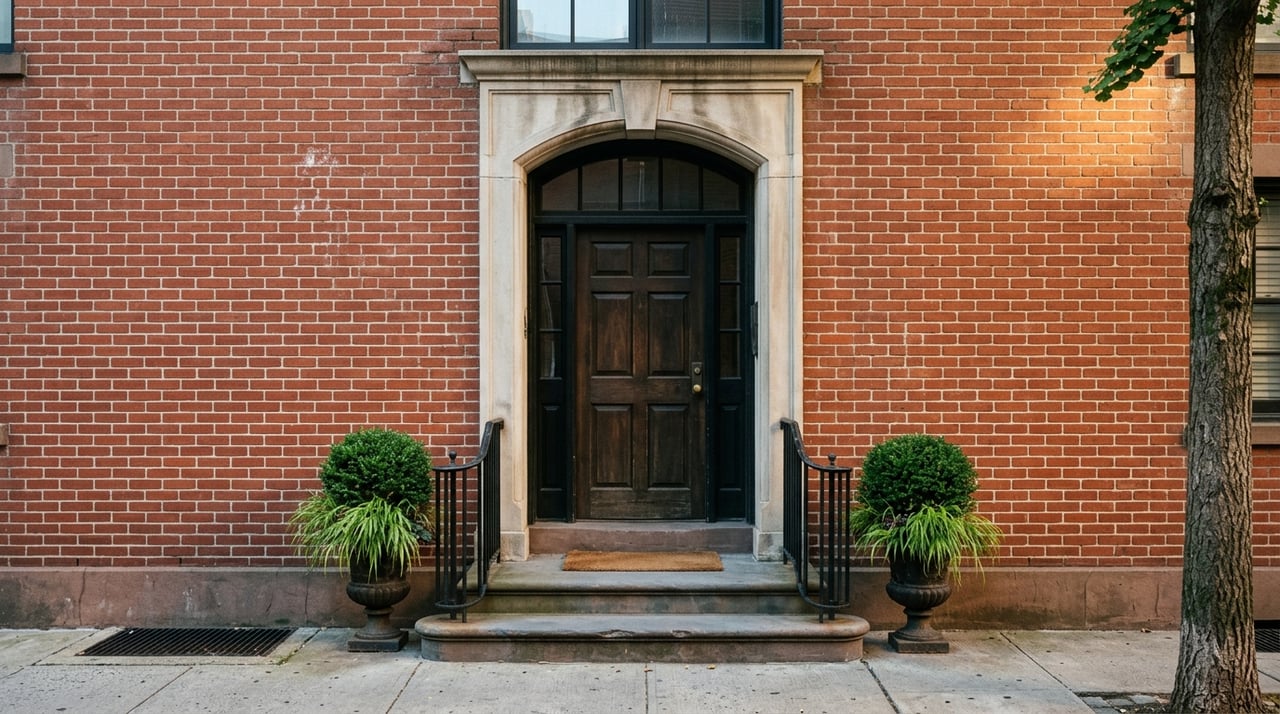
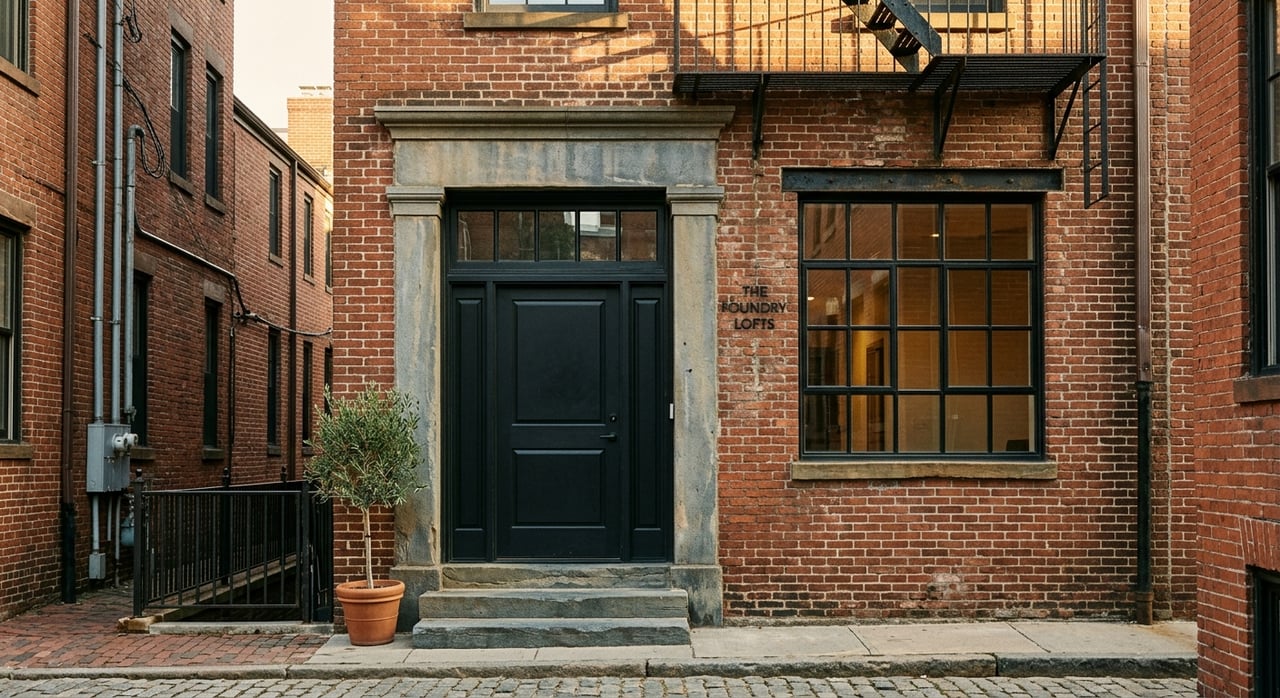
The streetscape also plays a big role in buyer appeal. Across NoHo, the district retains a strong brick, marble, cast-iron, and terra-cotta character, even though some original storefronts and materials have been replaced or obscured over time. If you are drawn to loft living for authenticity, this built fabric is a large part of what you are responding to.
Early store-and-loft buildings in NoHo were often about 25 feet wide and typically five stories tall. Many had cast-iron storefront bases, masonry upper stories, and regularly placed windows. Later Broadway buildings rose higher, sometimes reaching 11 to 16 stories, while smaller side-street buildings often stayed more compact.
For you as a buyer, that can translate into floorplans that follow the logic of the original building rather than modern residential planning. You may see long room sequences, deep interior zones, and fewer neatly boxed-off rooms. In many loft conversions, openness was not added later as a trend. It was already built into the structure.
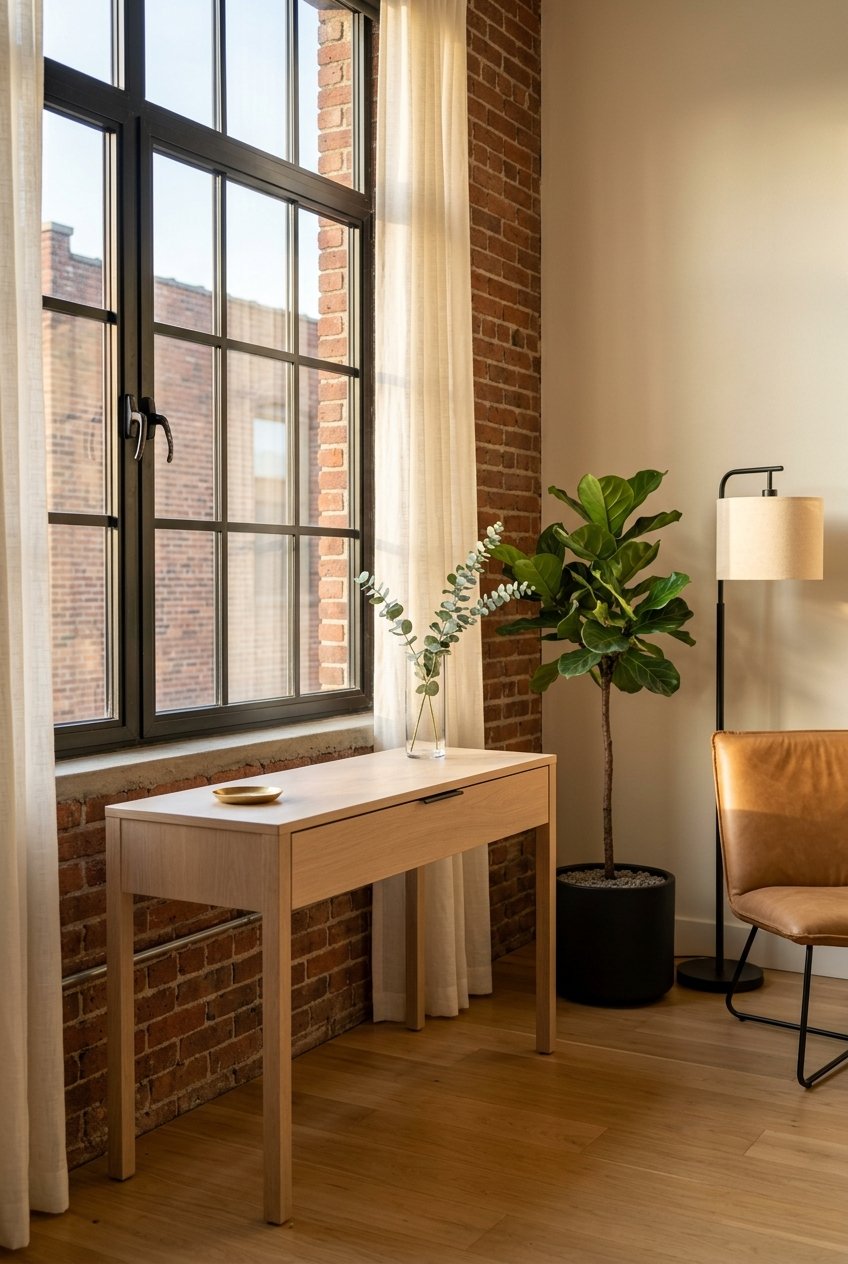
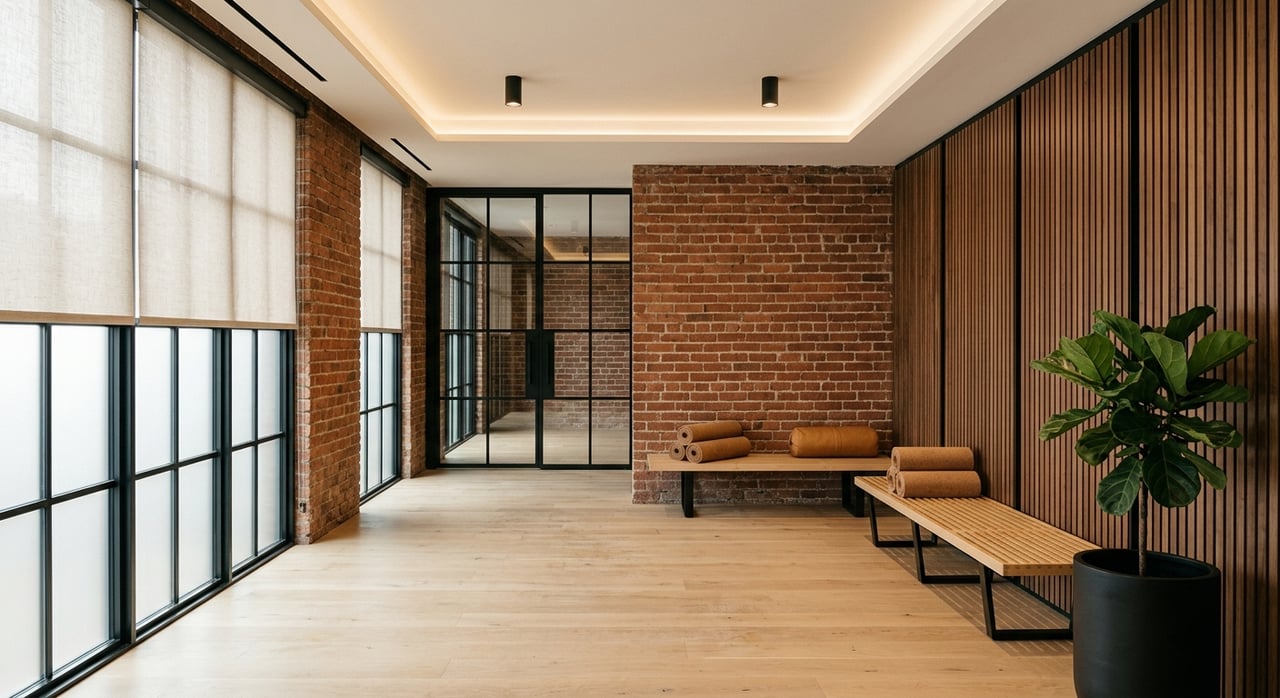
That same commercial origin is why some NoHo lofts feel especially adaptable. Higher ceilings, visible structure, and broad open areas can make furniture planning and future reconfiguration easier. At the same time, those features may come with layouts that require more thought around privacy, storage, and natural light in interior areas.
This is one reason two lofts with the same square footage can live very differently. In NoHo, the shape of the floorplate often matters as much as the size on paper.
In landmark loft buildings, windows are more than a design detail. They often give you clues about the building’s age, renovation history, and how the apartment receives light. The designation report describes facades with regularly placed window openings, while later buildings may have grouped windows or replacement units from a different era.
When you tour a loft, it is worth noticing whether windows appear consistent, whether some openings have been sealed, and whether the sash and detailing look historic or more recent. These details can hint at how much of the original envelope remains and whether exterior work may already have been done.
For designated landmarks and buildings in historic districts, replacing windows requires approval from the New York City Landmarks Preservation Commission, or LPC. LPC’s November 2024 window fact sheet notes that most repairs, retrofits, and routine maintenance of existing windows do not need a permit, but full replacement does require LPC review.
Most replacement proposals are resolved at staff level, while proposals that do not meet the rules move to a public hearing. LPC evaluates replacement work based on factors such as material, operation, configuration, details, and finish. In practical terms, that means a window project is not simply a style decision. It is also a regulatory one.
A landmark loft is not a blank canvas. LPC requires permits for restoration, in-kind replacement, alteration, reconstruction, demolition, or new construction that affects the exterior of an individual landmark or a building within a historic district.
LPC also reviews interior work that requires a Department of Buildings permit or affects the exterior, including items like HVAC louvers and vents. Even when the Department of Buildings does not require a permit, LPC still may. That distinction matters because buyers sometimes assume a modest update will be straightforward when it is actually subject to design review.
Not every repair is complicated. LPC says certain maintenance items generally do not require a permit, including replacing broken glass in kind, replacing broken window and door hardware, replacing caulk around windows and doors, and repainting or touching up painted surfaces in the same color.
The key issue is whether the work changes the exterior appearance, material, or profile. Once it does, the process can become more involved. In NoHo, that can affect your renovation scope, timing, and cost sooner than expected.
Buying in an older loft building calls for careful document review. In New York, the Attorney General recommends that purchasers read the entire offering plan and consult an attorney before signing a purchase agreement. For existing conversions, the sponsor is required to have the building evaluated by an engineer, and the offering plan must disclose defects visible to that engineer or known to the managing agent from complaints.
Just as important, the Attorney General advises that any material promises made by a seller should be put in writing if they are not already clearly included in the purchase agreement or offering plan. If you are relying on a statement about future work, building condition, or what is permitted, it should be documented.
One of the most useful steps is to read the offering plan, board minutes, and latest financial report together, not separately. Taken as a group, these documents can help you understand how the building has been maintained, what projects may be coming, and whether reserves appear prepared for major work.
The Attorney General specifically notes that board minutes from the previous year and the most recent financial report often reveal defects and repair costs. This is often where you will see whether known issues are isolated, recurring, or heading toward an assessment.
In older loft buildings, certain capital items tend to matter more than cosmetic updates. The Attorney General flags facade defects, pointing, roof and elevator repairs, plumbing upgrades, electrical upgrades, and boiler replacements as some of the most expensive issues in existing buildings.
If you are evaluating a NoHo loft conversion, ask direct questions about the history and timing of these items. A beautiful apartment inside a character-rich building can still carry future building-level costs that deserve just as much attention as the interior finishes.
Resale deals need their own level of caution. If the apartment is being sold by an individual owner rather than the original sponsor, the Attorney General notes there may be no current or accurate offering plan, and the sale may not be regulated by the Attorney General at all.
That means you should not assume older sponsor disclosures still reflect the building as it exists today. In a historic loft conversion, details can change over time through renovations, repairs, or deferred maintenance. Fresh due diligence matters.
If you are serious about buying a NoHo loft conversion, keep this checklist in mind:
In NoHo, the same features that create value and atmosphere can also create complexity. Authentic volume, historic detail, and landmark protections are part of the package.
For many buyers, that tradeoff is exactly the appeal. When you understand how the building was built, how it has been maintained, and what future changes may involve, you can make a more confident decision and enjoy the character of the home for what it truly is.
If you are exploring lofts in NoHo or weighing the nuances of a historic conversion, Annie Azzo offers discreet, high-touch guidance tailored to Downtown Manhattan’s most distinctive properties.
Stay up to date on the latest real estate trends.

If you’re ready to unlock the finest New York has to offer, Annie is the key. Her in-depth market knowledge and an unwavering commitment to client satisfaction make her a trusted advisor for both buyers and sellers looking to indulge in the complexities of New York City's real estate landscape.