
Preparing A West Village Home For A Discreet Sale
July 2, 2026
July 2, 2026
Selling quietly in the West Village sounds simple until you realize how much has to happen behind the scenes. You want privacy, control, and a polished first impression, but you also need to avoid avoidable repair surprises, permit issues, and last-minute disclosure stress. The good news is that a discreet sale can be every bit as strategic as a public launch when your prep is thoughtful from the start. Let’s dive in.
A private listing does not mean a casual listing. If anything, a quiet launch asks more of your preparation because you may have fewer opportunities to make a first impression with qualified buyers.
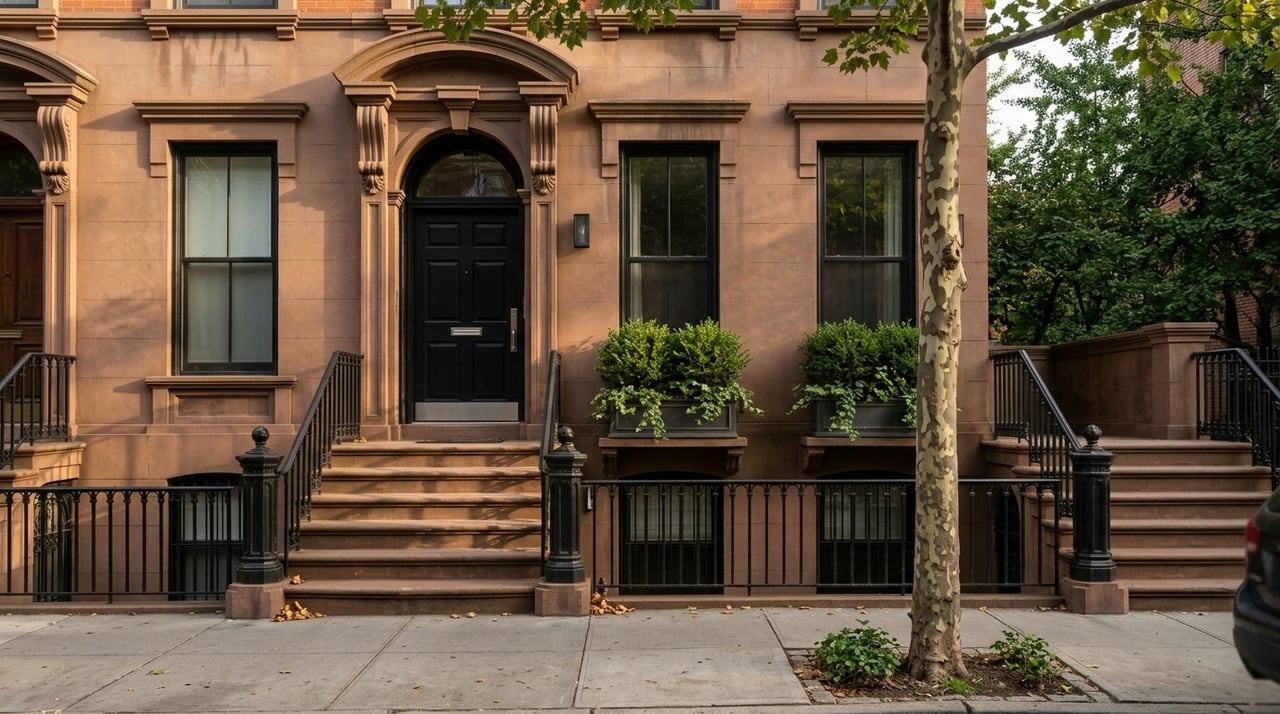
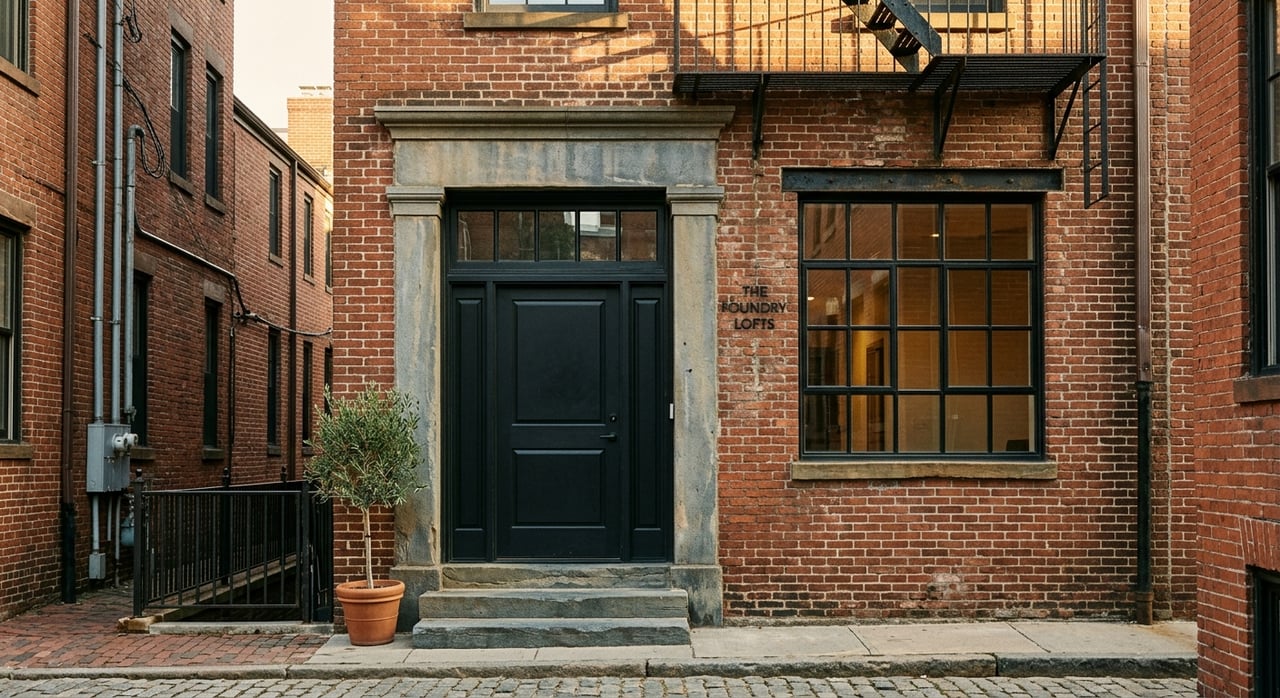
In the West Village, that matters even more. Many homes are valued not just for layout and location, but for original details, architectural character, and a sense of place. A smart prep plan helps you protect those features while reducing the risk of surprises once buyers begin asking questions.
If your home is in a landmarked building or historic district, exterior changes to the front and rear facades often require review by the Landmarks Preservation Commission. That applies even when a project may not require a Department of Buildings permit, so it is important not to assume one city approval covers everything.
Some ordinary repairs and maintenance generally do not require an LPC permit. Examples include replacing broken window glass or repainting an exterior to match the existing color. Still, before any work begins, it is wise to confirm what counts as maintenance, what needs review, and what should wait until your listing plan is finalized.
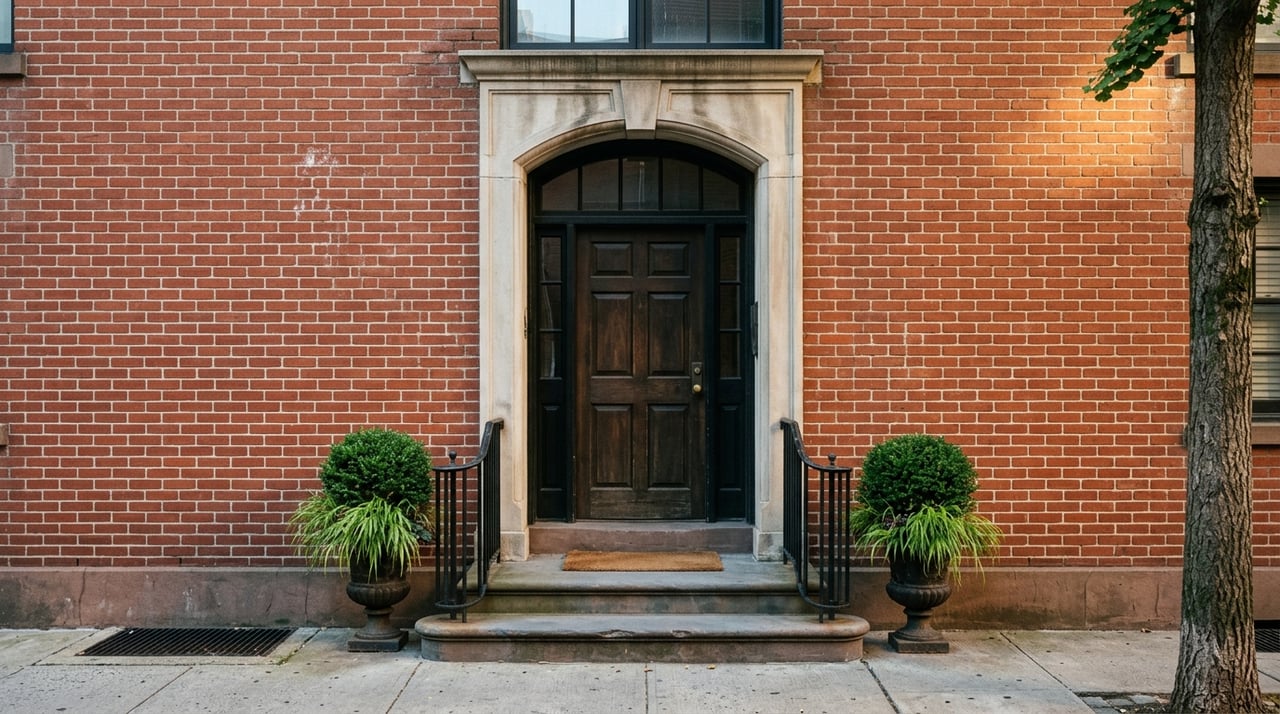
For many West Village homes, original features are part of the value story. Moldings, stair rails, brick, windows, and other period details often support the kind of character buyers hope to find downtown. That is why a restrained approach usually works better than over-updating.
In many cases, the best pre-sale improvements are modest ones. In New York City, work such as painting, plastering, installing new cabinets, resurfacing floors, and some plumbing fixture replacement may be done without a work permit, though the work may still require the right licensed professional and much construction still needs DOB approval.
That creates a useful path for sellers who want a polished result without turning the home into a construction zone. Fresh paint, careful repairs, hardware updates, lighting adjustments, and professional cleaning can improve the visual impression without changing the soul of the home.
If your property is landmarked, be especially careful with exterior decisions. Even small exterior changes can trigger LPC review, so your contractor plan should be clear before the first call is made.
A discreet sale still needs a strong visual package. According to NAR’s 2025 staging survey, 83 percent of buyers’ agents said staging made it easier for buyers to visualize a home, and the rooms that mattered most were the living room, primary bedroom, and kitchen.
That finding fits the West Village well. In a character-rich apartment, condo, co-op, or townhouse, buyers are often responding to mood as much as measurements. Your goal is to create a space that feels edited, coherent, and easy to understand.
A restrained staging plan often works best:
NAR’s survey also found that photos, videos, and virtual tours are important to buyers’ agents. Even if your home begins as a private listing, strong visuals help qualified buyers engage quickly and seriously.
One of the smartest ways to preserve privacy is to reduce surprises before the home is shown. In New York, a licensed home inspector provides a written report on major systems and components of a residential building, including heating, cooling, plumbing, electrical, and structural components.
For sellers, that report is often the best first step. It gives you a clearer picture of what a buyer is likely to find later, which helps you decide whether to repair an issue, prepare documentation, or price with that condition in mind.
This matters in a discreet sale because the buyer pool may be smaller and more selective at first. If an early conversation is interrupted by preventable issues, you lose momentum that is harder to rebuild in a controlled launch.
A general inspection is the first pass, not the final answer to every question. If the report flags a structural concern, permit uncertainty, or a system issue, the next step is to bring in the right specialist.
In practice, that may mean an architect or engineer for structural or permit questions. For plumbing work, NYC guidance says ordinary plumbing work must be done by a Licensed Master Plumber. For permit exceptions, DOB notes that a PE, RA, or borough director can help explain what qualifies.
This approach keeps your prep efficient. You avoid overreacting, but you also avoid treating a real issue like a cosmetic one.
For townhouse sellers in New York, the Property Condition Disclosure Act still matters. The law says most sellers of residential real property must deliver the disclosure statement before a binding contract is signed, though condominiums and cooperative apartments are excluded from that definition.
The law also makes clear that the disclosure is not a warranty and not a substitute for independent inspections or environmental tests. If you learn something new after completing the statement, a revised version must be delivered as soon as practicable.
The practical lesson is simple. A discreet sale is not about hiding defects. It is about identifying issues early enough to fix them, price around them, or disclose them cleanly and confidently.
If your home was built before 1978, lead rules may affect your prep. Buyers and renters of most pre-1978 housing must receive known lead information before signing a contract or lease.
Lead-safe renovation rules also apply to renovation, repair, and painting work that disturbs lead-based paint in pre-1978 homes. If your pre-listing plan includes sanding, scraping, or repainting, that is worth addressing before work begins so the project stays orderly and compliant.
A discreet sale does not have to mean limited strategy. Compass describes Private Exclusives as listings shared with agents in its network and their serious buyers, with benefits that include testing price, gathering insight, and building anticipation before going public.
Compass also says photos and floor plans are shared only within its trusted network, and sellers can schedule private showings at their convenience instead of holding public open houses. For sellers who value privacy or security, that can create a more controlled first phase.
In 2025, Compass also announced its Private Exclusive Book, which allows agents from all brokerages to browse Private Exclusives one-to-one in Compass offices while the listings remain off public websites, with an opt-out available for sellers with privacy concerns.
The key is sequencing. Prepare the home first, organize any needed inspection or repair work, assemble the important documents, and then decide whether the first audience should be private, coming soon, or fully public.
If you want to keep your West Village sale controlled and polished, this order usually makes sense:
This kind of sequence helps you move with intention. It also supports the kind of calm, confident presentation that tends to resonate in the West Village.
Preparing a West Village home for a discreet sale is really about balance. You want to preserve the details that make the property special, improve what buyers will notice first, and address the issues that could weaken your position later.
When that work is done well, privacy does not come at the expense of performance. It becomes part of a thoughtful strategy, supported by clean presentation, careful documentation, and controlled exposure to qualified buyers.
If you are considering a private or quietly phased launch in the West Village, Annie Azzo offers a warm, discreet, and highly curated approach to preparing and presenting design-forward Downtown Manhattan homes.
Stay up to date on the latest real estate trends.


If you’re ready to unlock the finest New York has to offer, Annie is the key. Her in-depth market knowledge and an unwavering commitment to client satisfaction make her a trusted advisor for both buyers and sellers looking to indulge in the complexities of New York City's real estate landscape.