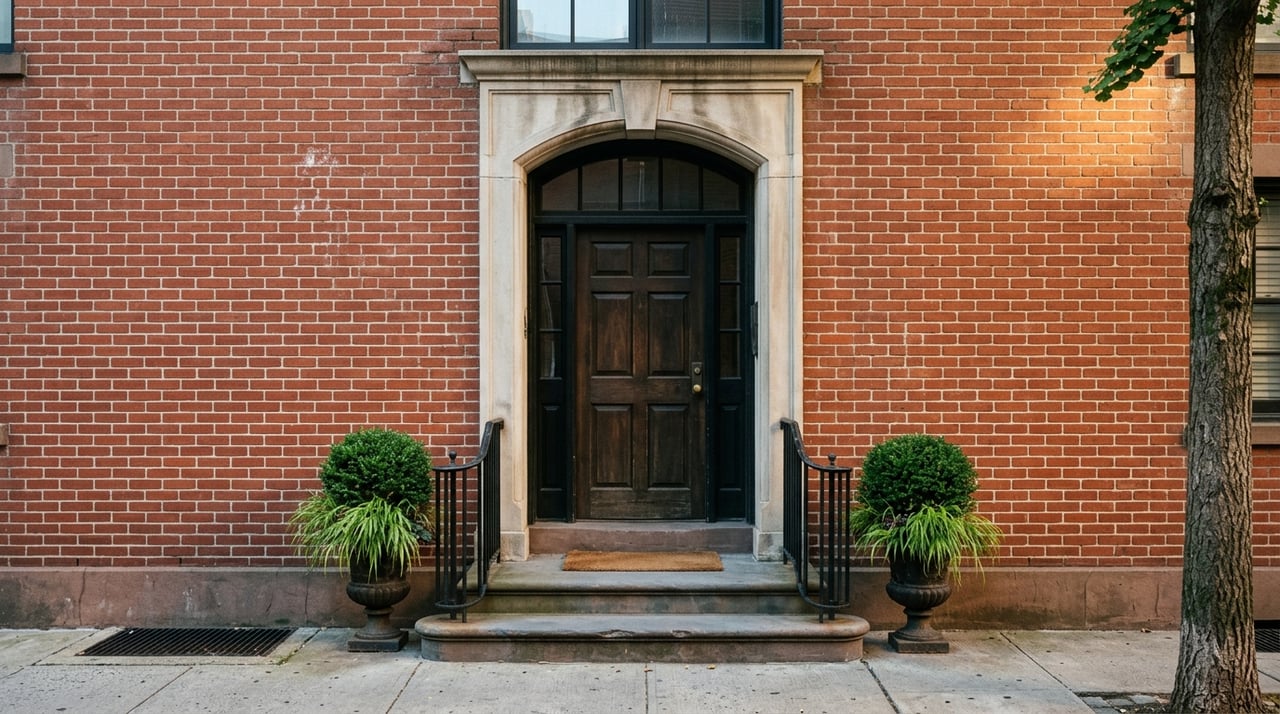
How To Choose The Right Tribeca Loft For You
June 11, 2026
June 11, 2026
Trying to choose a Tribeca loft can feel surprisingly complicated, even if you already know you want the neighborhood. At Tribeca price points, the real question usually is not whether a loft looks beautiful online. It is whether the building type, layout, noise level, and monthly costs actually fit the way you live. This guide will help you sort through those trade-offs with more clarity, so you can focus on the option that feels right in real life. Let’s dive in.
Tribeca remains one of Downtown Manhattan’s most expensive markets. As of April 30, 2026, Zillow reported an average home value of $3,713,268 and a median list price of $3,815,000 in Tribeca. In a market like this, choosing well matters just as much as choosing quickly.
That is why the smartest buyers look beyond finishes and staging. In Tribeca, the right loft often comes down to how a building was originally built, how it has been updated, and what that means for your space, comfort, and monthly ownership costs.
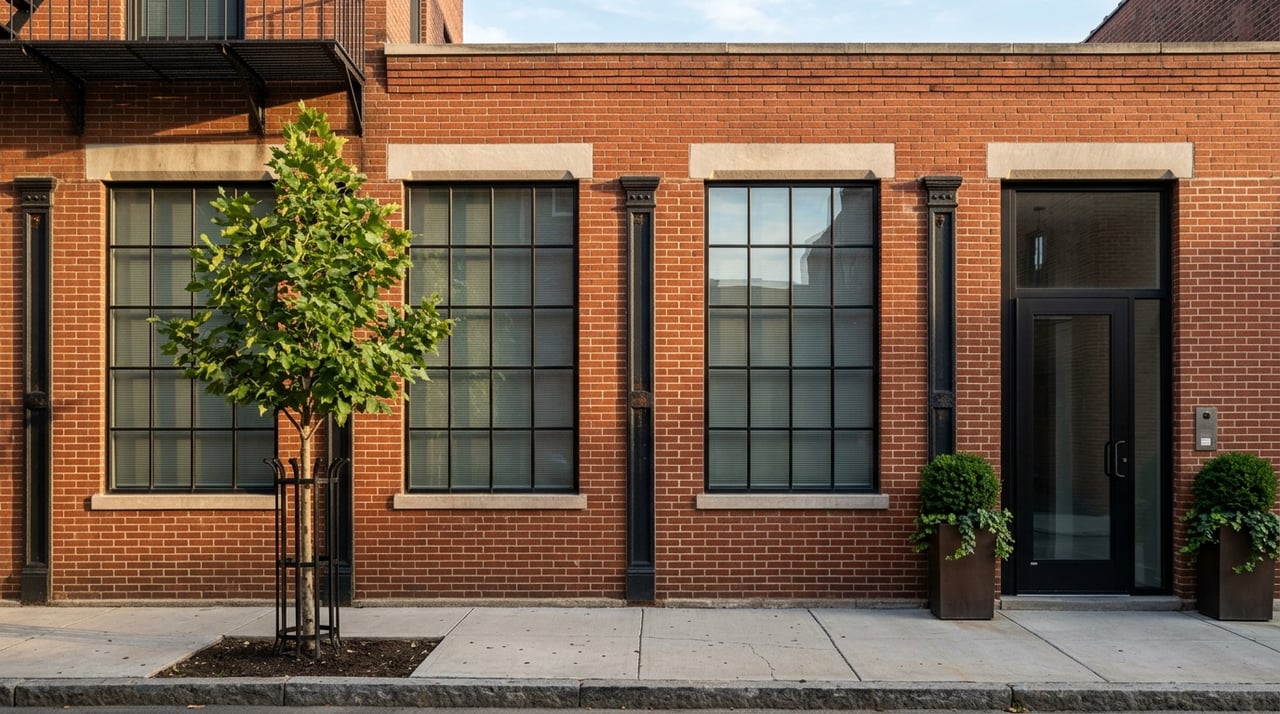
These are the Tribeca homes many buyers picture first. Much of the neighborhood’s loft inventory comes from 19th-century store-and-loft and warehouse buildings designed with large, open interior spaces for storage and commerce, often supported by rows of cast-iron columns.
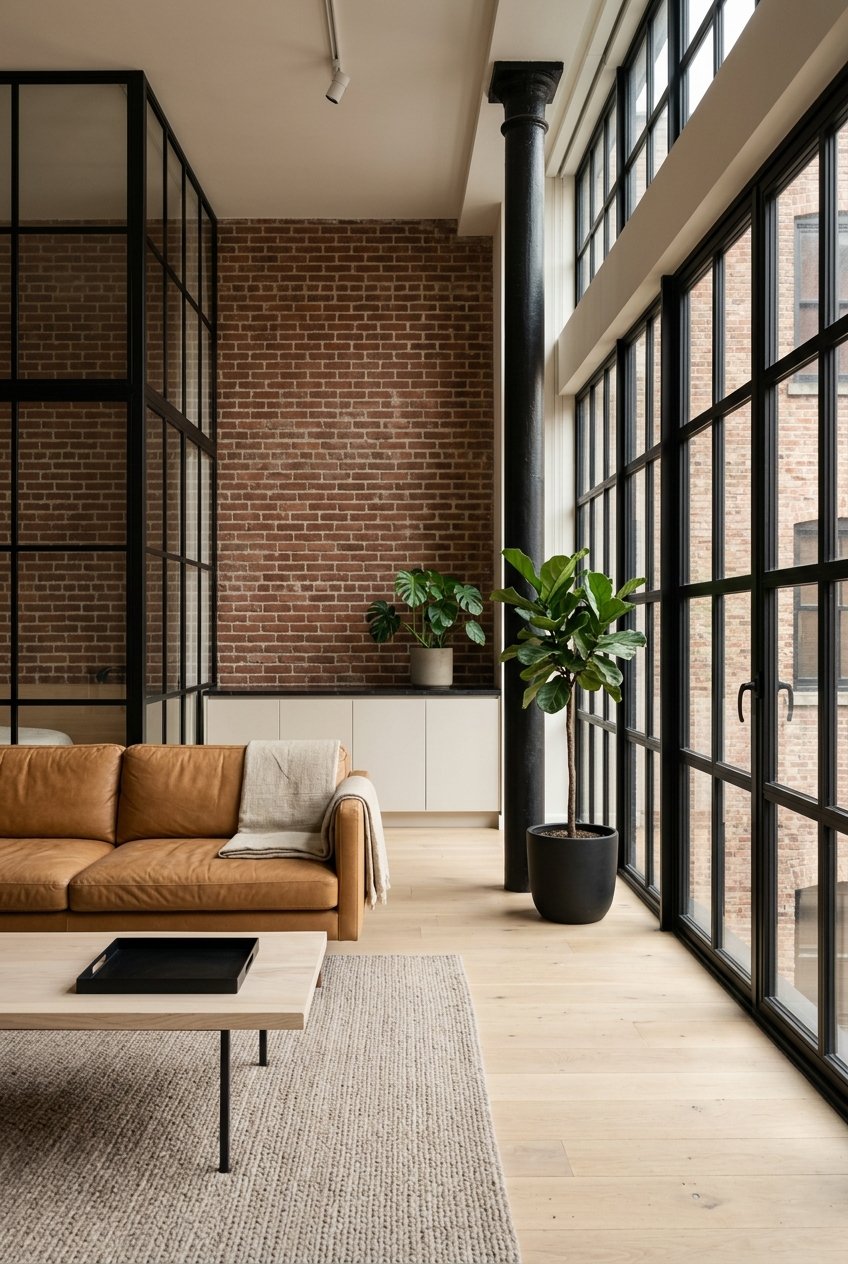
That history is what gives many classic Tribeca lofts their appeal. You may find exposed beams, original columns, brick walls, and expansive window lines that create a true industrial scale. If you want authenticity, volume, and a sense of architectural character, this category often delivers the most drama.
The trade-off is that older buildings can come with more uncertainty in the physical plant. The New York State Attorney General recommends reviewing windows, flooring, heating and cooling systems, plumbing, wiring, and all disclosed defects carefully, since older buildings may face costly work involving facades, roofs, elevators, plumbing, electrical systems, or boilers.
Newer condo conversions often strike a middle ground. They can preserve loft proportions and character while offering a more defined framework around disclosures, systems, and finishes.
For many buyers, this category makes sense if you want loft style without taking on a raw or highly complex renovation path. The New York State Attorney General advises buyers to read the offering plan and board minutes closely rather than relying on renderings or verbal assurances. That step can give you a clearer picture of what was promised, what was delivered, and what may still need attention.
Full-service buildings tend to appeal to buyers who value daily ease as much as architecture. StreetEasy describes these buildings as typically offering a full-time doorman, concierge, maintenance staff, and often a superintendent or porter, with amenities that may include shared outdoor space, lounges, pools, and on-site co-working areas.
These properties are usually less about raw industrial character and more about convenience and a polished ownership experience. If package handling, staffing, security, and resident services matter to your day-to-day life, a full-service option may feel worth the premium.
A classic warehouse loft may be the best fit if you care most about open volume, original details, and the ability to shape the space around your taste. These homes often reward buyers who appreciate imperfection, flexibility, and the unique rhythm of historic architecture.
You should also be comfortable with some compromises. Columns may interrupt furniture plans, room layouts can feel less predictable, and acoustics may vary more from one property to another.
A condo conversion may be the right choice if you want the feel of a loft but prefer a clearer roadmap on systems, repairs, and disclosures. This can be especially appealing if your schedule is demanding and you want fewer unknowns after closing.
These homes still deserve close review. The strongest fit often comes down to how well the conversion handled room separation, infrastructure updates, and the finishes described in the plan.
A full-service building may suit you best if your priority is ease. For buyers balancing intense work schedules, family logistics, frequent travel, or relocation, the support of building staff and the simplicity of a more managed environment can be a major advantage.
The main consideration is cost. Brick Underground notes that monthly charges often reflect staffing and amenity packages, so convenience usually comes with higher recurring expenses.
Ceiling height can shape how a loft feels just as much as square footage. Brick Underground notes that prewar buildings often have more gracious proportions, while newer construction may emphasize floor-to-ceiling windows and open kitchens.
When you tour a loft, measure the actual clear height where you will live day to day. Soffits, bulkheads, and lighting runs can reduce usable volume even if the room initially feels dramatic.
In many historic Tribeca buildings, cast-iron columns were arranged in rows perpendicular to the facade. That structure can create beautiful rhythm, but it can also affect how naturally the home supports bedrooms, a home office, or a closed media room.
A good floor plan on paper is not always a good floor plan in practice. Pay attention to whether the columns help define the space or make the layout feel forced.
Noise is one of the biggest factors buyers underestimate. Brick Underground notes that prewar buildings are often solidly built and may transmit less sound, while postwar and even newer buildings can still have noise issues depending on construction quality.
Do not assume a high price tag equals quiet. Test the sound conditions in person, and look closely at windows, flooring, HVAC, plumbing, and electrical systems since those components often affect comfort more than the listing description does.
Deep industrial floorplates are part of what makes many Tribeca lofts special. They can also make light distribution more challenging, especially away from the window line.
That means exposure, window placement, and room depth deserve close attention. A larger loft is not automatically a better loft if much of the interior feels dim or disconnected from the outside.
Tribeca includes multiple historic districts and district extensions. In landmarked buildings and buildings within historic districts, the Landmarks Preservation Commission requires prior approval for most exterior alterations, reconstruction, demolition, and new construction.
For buyers, that matters because renovation plans may not move as freely as you expect. Window changes, roof elements, and other visible exterior work can face additional review, which can affect budget, timing, and design flexibility.
Ordinary interior work is usually outside LPC review unless it affects the exterior or requires a Department of Buildings permit. Even so, if you are buying with a renovation in mind, it is wise to understand the building’s preservation context before you fall in love with a vision that may be harder to execute.
In Tribeca, monthly ownership costs deserve the same level of attention as the purchase price. In New York City, property tax bills are calculated by the Department of Finance using factors that can include market value, assessed value, transitional assessed value for some tax classes, and exemptions.
Eligible co-op and condo developments may also receive the cooperative and condominium property tax abatement, with primary residence and ownership rules affecting eligibility. That means two lofts with similar asking prices can feel very different once the monthly numbers are fully understood.
You should also look at building reserves and the possibility of future assessments. Older buildings may face significant costs if facades, roofs, elevators, plumbing, electrical systems, or boilers need work, while full-service buildings may carry higher charges because of staffing and amenities.
The biggest mistake buyers make in Tribeca is shopping by style label alone. A “classic loft,” a “conversion,” or a “full-service condo” can all sound compelling, but none of those terms tells you whether the home actually supports your routine, privacy needs, renovation plans, or comfort level with monthly costs.
The better approach is to match the structure to your life. If you know how much you value openness, quiet, service, flexibility, and predictability, the right Tribeca loft usually becomes much easier to spot.
Buying in Tribeca is rarely just about square footage. It is about choosing a home whose architecture, systems, and ownership experience feel aligned with the way you want to live now and in the years ahead. If you want thoughtful guidance on evaluating Tribeca lofts with both lifestyle and long-term value in mind, Annie Azzo offers private, concierge-style support tailored to Downtown Manhattan buyers.
Stay up to date on the latest real estate trends.
If you’re ready to unlock the finest New York has to offer, Annie is the key. Her in-depth market knowledge and an unwavering commitment to client satisfaction make her a trusted advisor for both buyers and sellers looking to indulge in the complexities of New York City's real estate landscape.