Nomad vs Flatiron Condos for Design-Forward Living
May 21, 2026
May 21, 2026
If you want a condo that feels as considered as your wardrobe, your favorite hotel, or the restaurants you book on repeat, the NoMad versus Flatiron decision can feel surprisingly nuanced. Both neighborhoods sit in central Manhattan, both offer luxury inventory, and both support a lifestyle built around design, dining, and convenience. The difference is in how that lifestyle shows up day to day, and that is where the right fit becomes clearer. Let’s dive in.
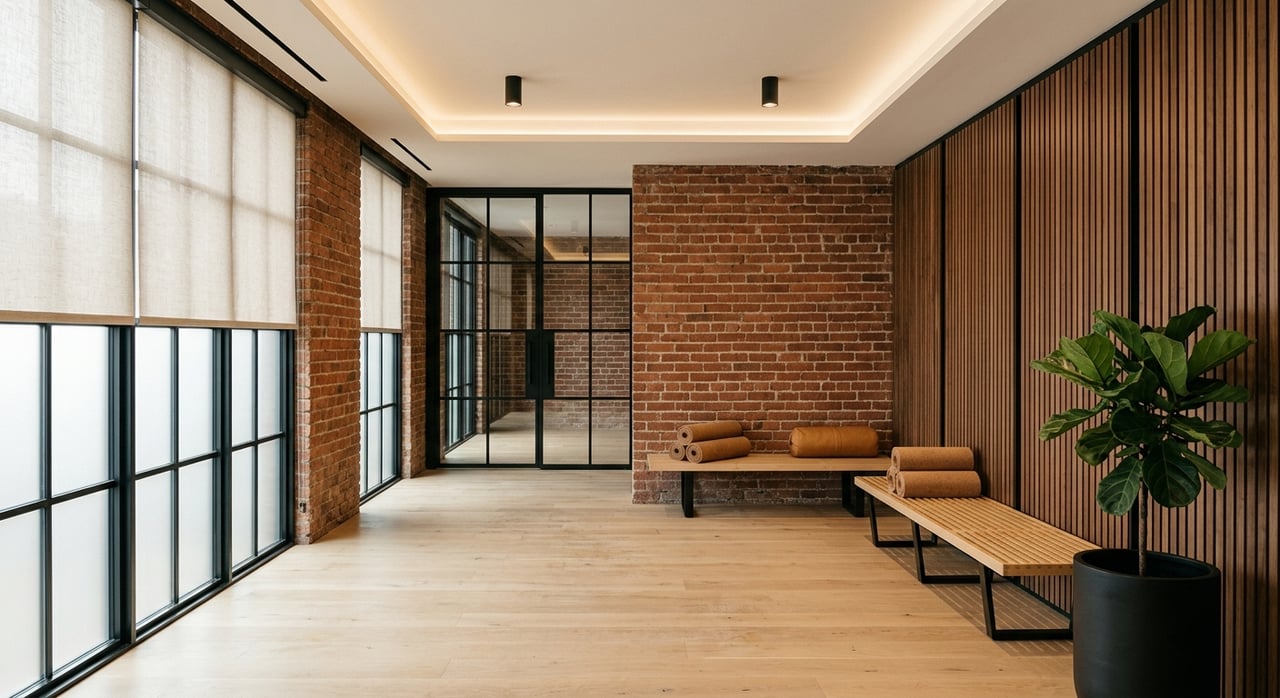
For design-forward condo living, NoMad and Flatiron share a lot of appeal, but they deliver it differently. NoMad tends to center on newer full-service towers with polished amenities and a more hotel-like feel. Flatiron leans more toward landmark architecture, loft conversions, and boutique-scale residences with architectural character.
If you are choosing between the two, it helps to compare three things first: building style, amenity package, and architectural pedigree. Neighborhood identity matters, but for most buyers in this part of Manhattan, the home itself drives the decision.
NoMad is organized around the blocks north of Madison Square Park and has become a strong option for buyers who want newer condo product in a central location. Its residential inventory is anchored by full-service towers and more recent development. That gives the neighborhood a polished, turnkey feel that many time-conscious buyers appreciate.
StreetEasy shows 94 listings for sale in NoMad, with a median sale price of $2.575 million and a new-development median of $3.675 million. That pricing supports NoMad’s position in the luxury condo tier, especially for buyers focused on newer finishes, service, and consistency across building quality.
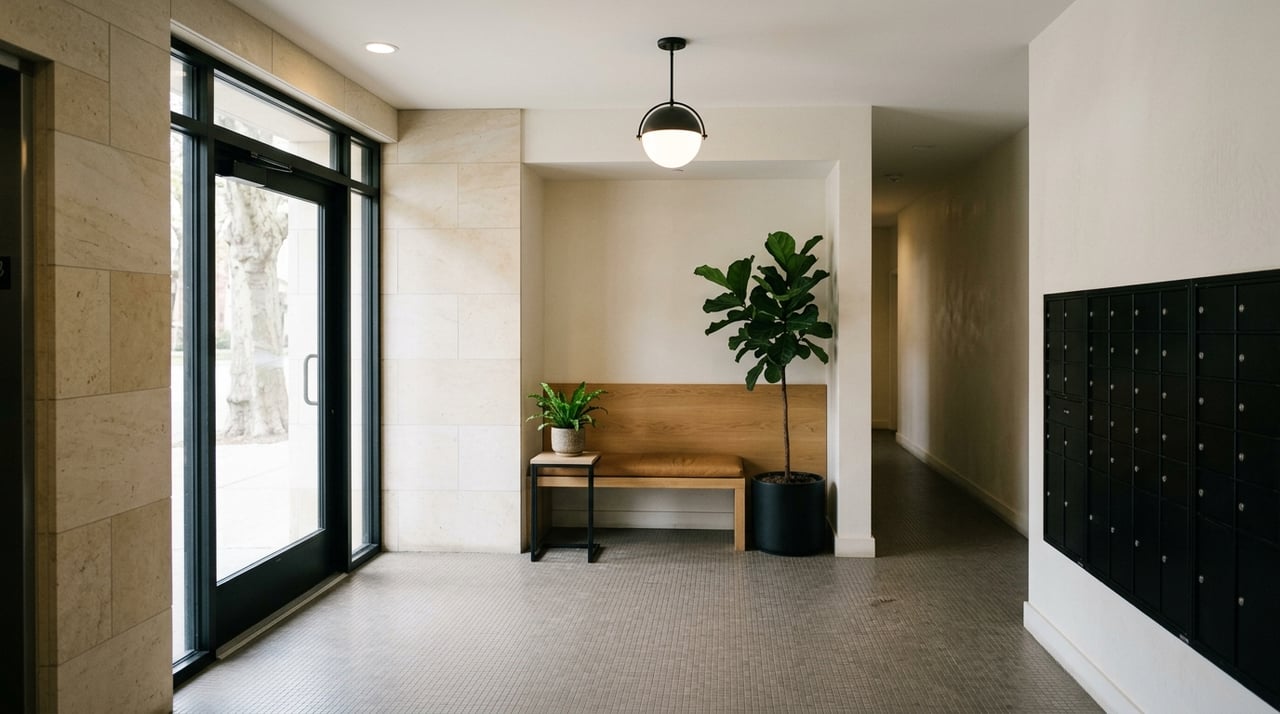
One of NoMad’s biggest draws is the strength of its amenity stack. Buildings here often offer the features buyers associate with elevated condo living: full-time doormen, concierge service, fitness centers, roof decks, storage, and in some cases pools, valet service, or wellness-oriented extras.
Examples in the neighborhood help define that profile. 277 Fifth Avenue, completed in 2019, includes concierge, a full-time doorman, gym, playroom, roof deck, and package and storage service. Madison House at 15 East 30th Street adds a pool, hot tub, valet service, gym, garden, and full-time doorman and concierge setup.
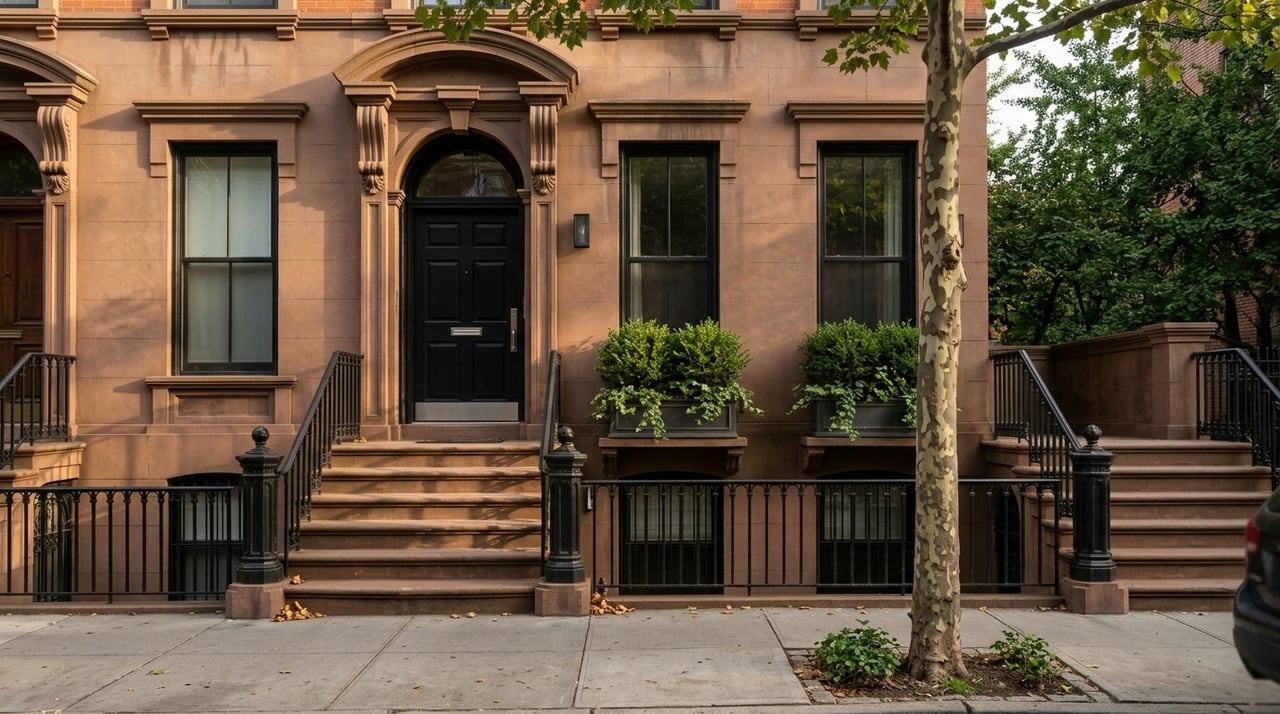
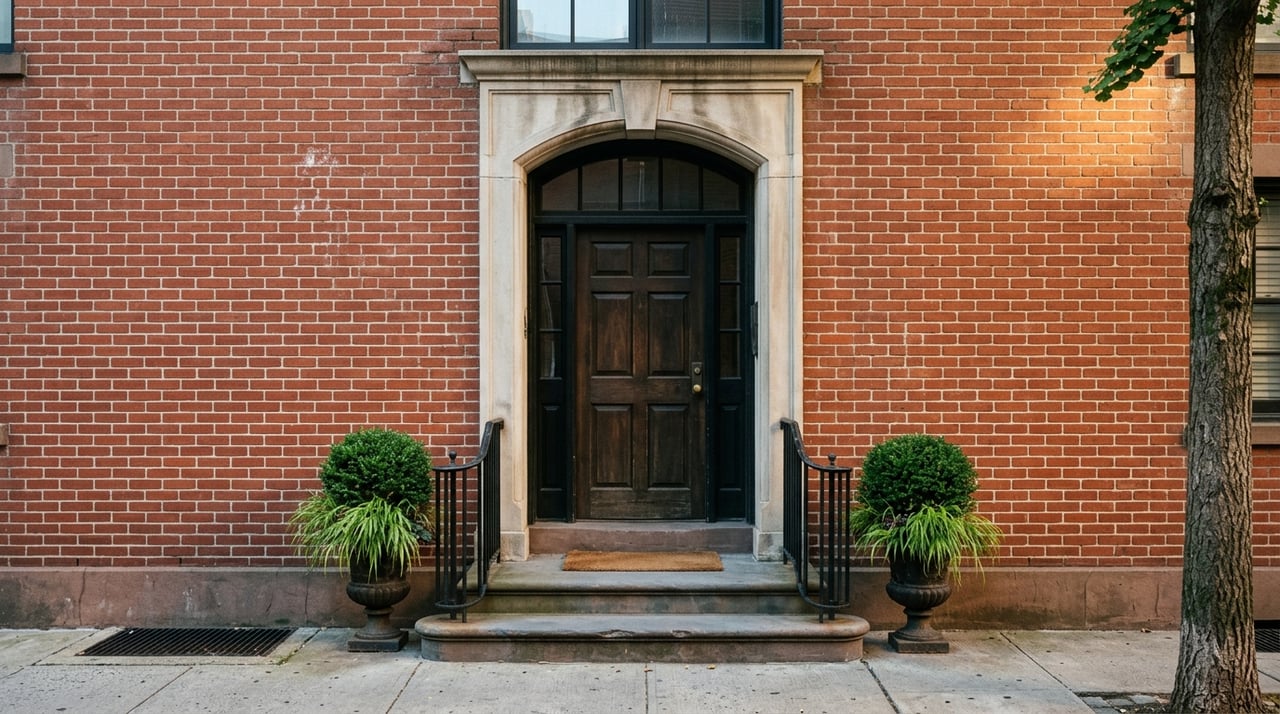
While NoMad is known for newer towers, it is still rooted in a meaningful historic setting. The Madison Square North Historic District includes roughly 96 buildings that reflect Manhattan’s commercial history from the 1870s through the 1930s, according to the Historic Districts Council. That backdrop gives the neighborhood a layered streetscape, even as much of its condo inventory feels contemporary and service-oriented.
For you as a buyer, that can mean a balance of old New York atmosphere and modern residential convenience. If you want a home that feels streamlined, elevated, and easy to lock and leave, NoMad often checks those boxes well.
Flatiron sits immediately south of NoMad and reads as a bit more commercial and retail-heavy. It is historically more commercial than residential, but recent years have added luxury new developments and high-profile conversions to the mix. The result is a neighborhood with more architectural variety and often more visual character from building to building.
StreetEasy describes Flatiron as skewing toward modern doorman buildings with a few walk-ups, while also highlighting the area’s cast-iron and Beaux-Arts architecture. It also notes a rhythm many buyers recognize quickly: busy during the day and early evening, then quieter at night.
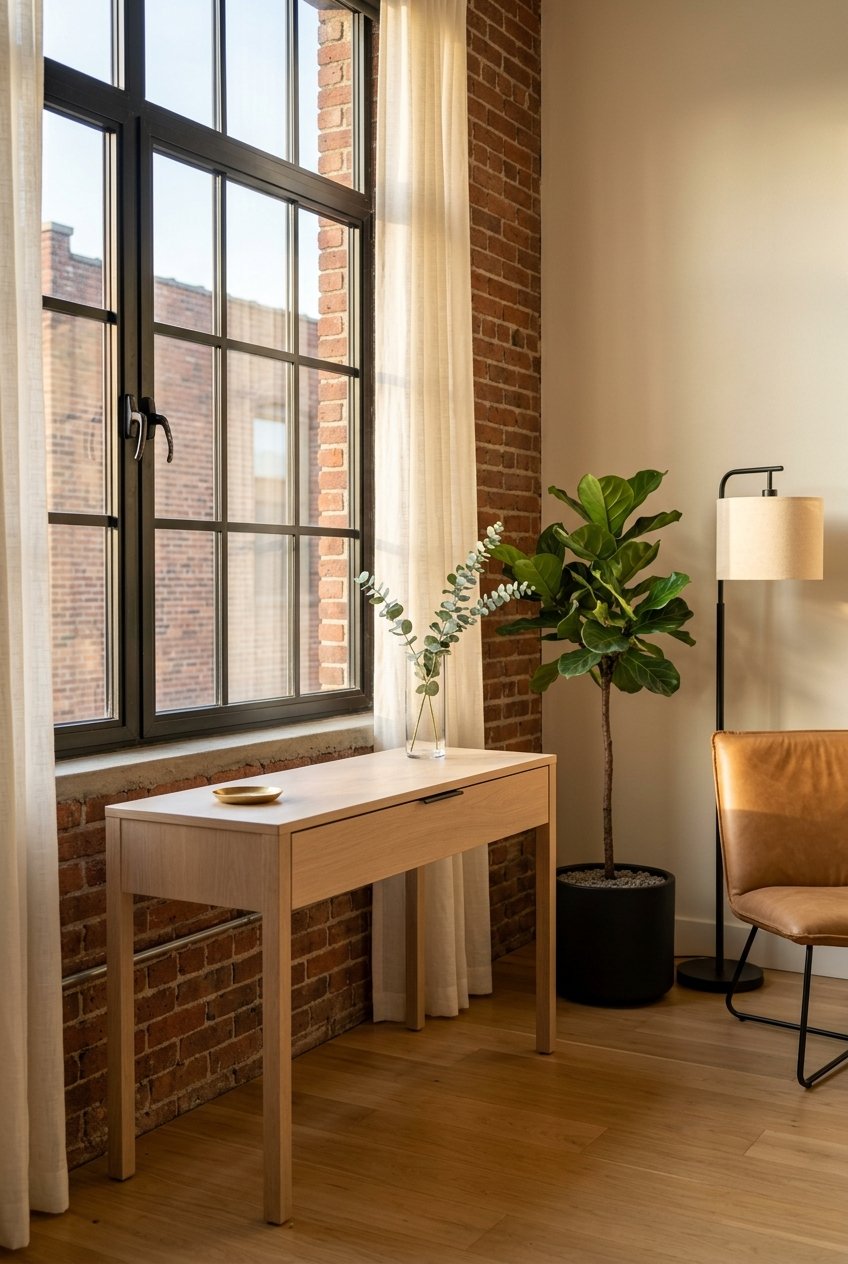
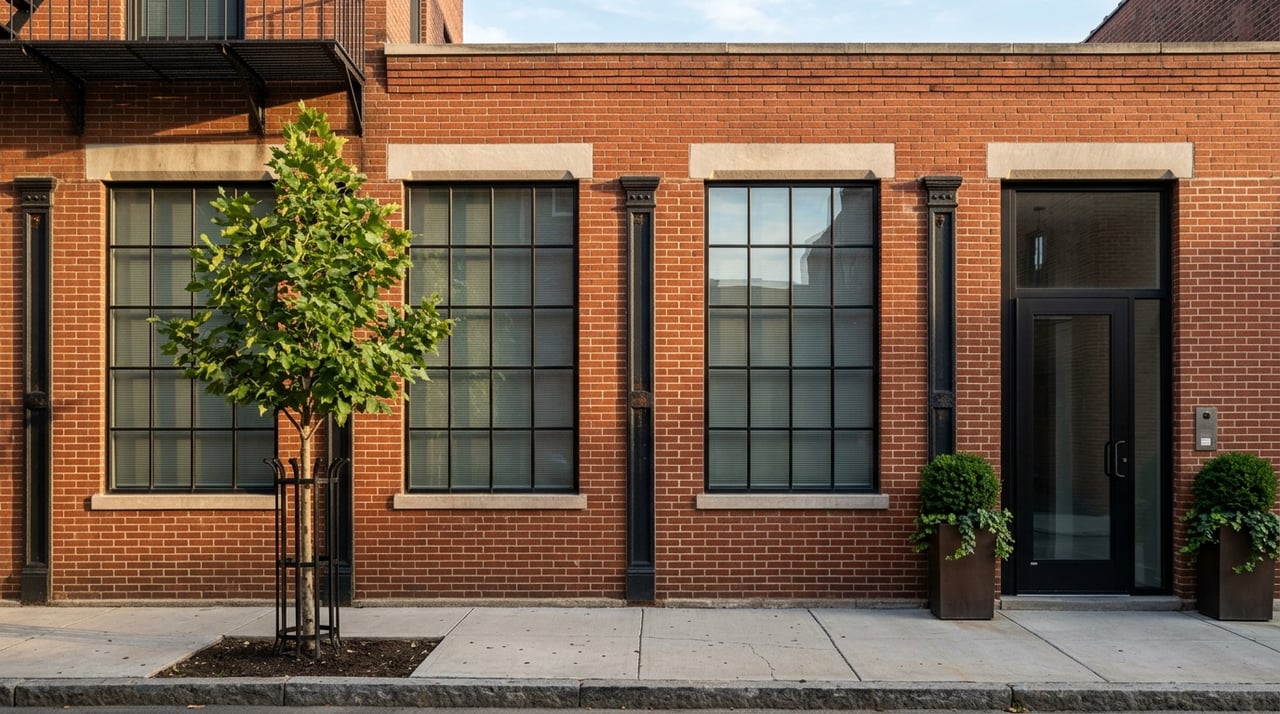
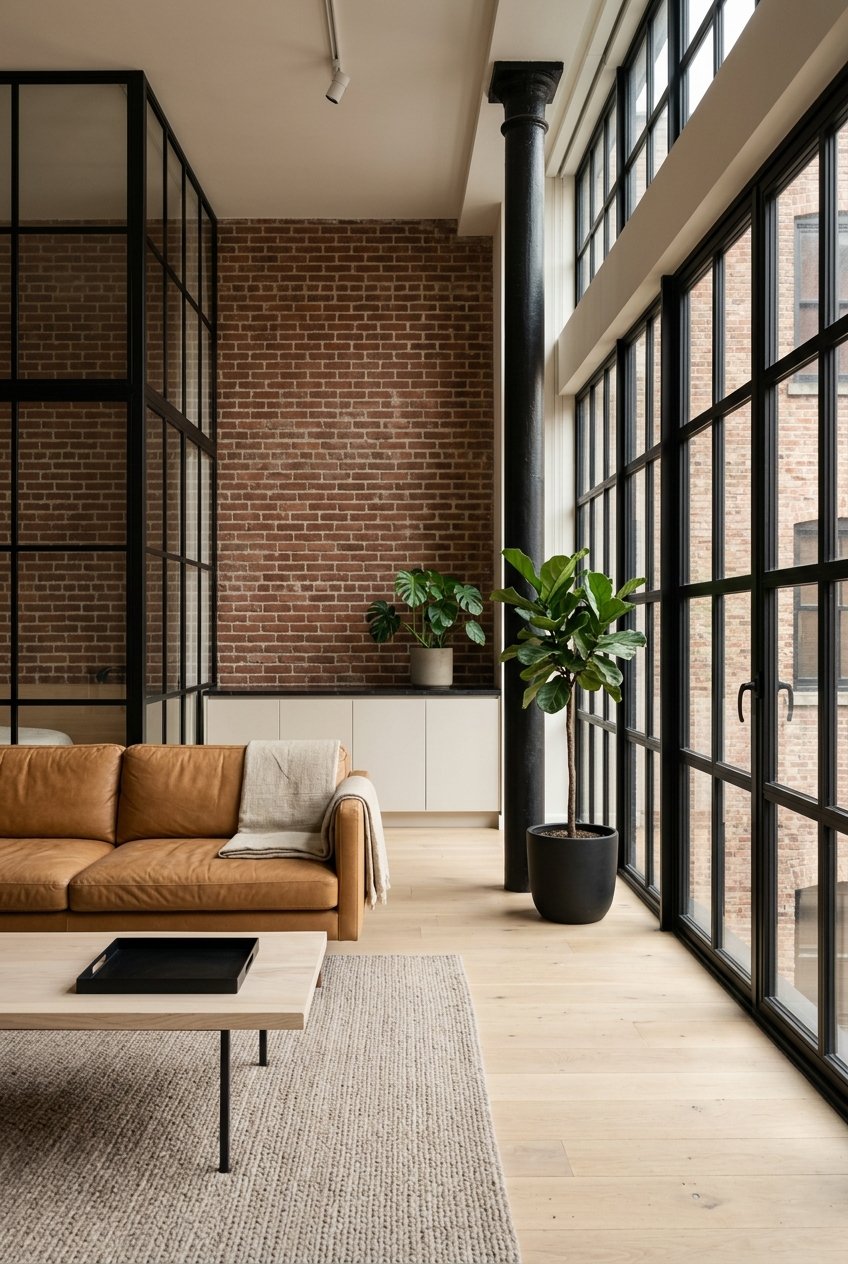
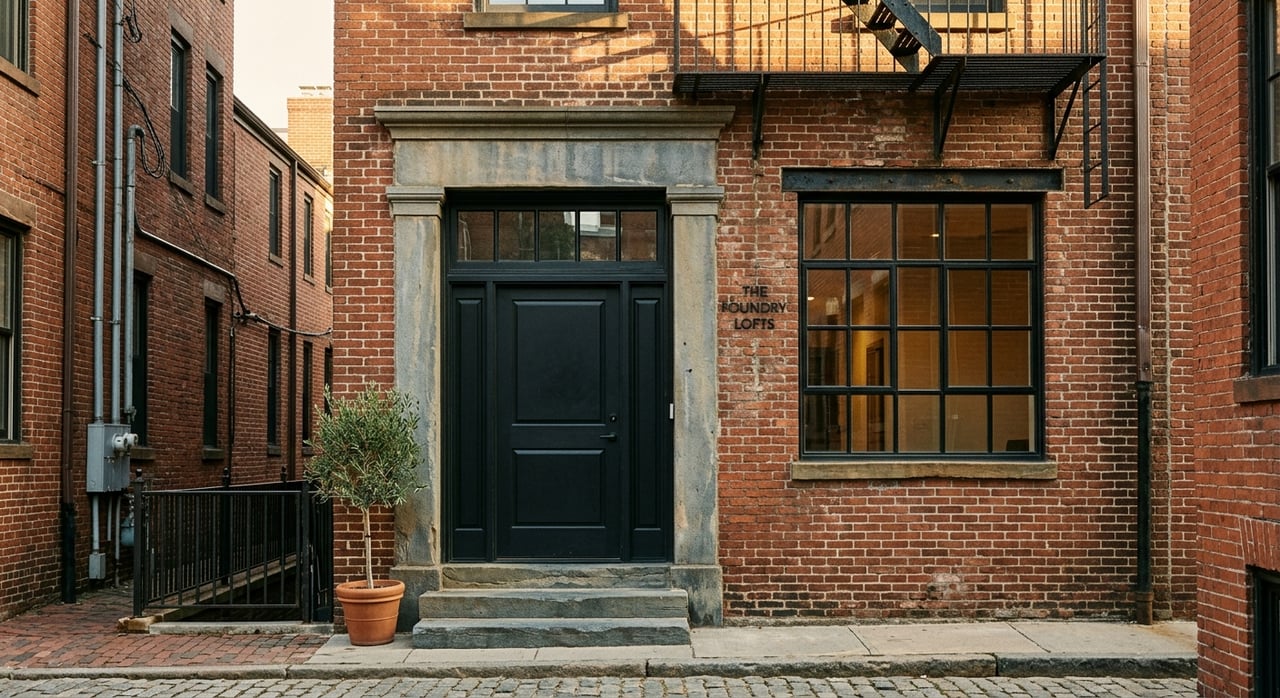
If your definition of design-forward includes historic detail, loft energy, or a more distinctive floor plan, Flatiron may feel more compelling. Rather than a concentration of supertall residential towers, the area shows more of a boutique, conversion-driven pattern.
Examples include 260 Park Avenue South, a 1913-built condo with 109 units, a full-time doorman, concierge, gym, and roof deck. Another standout is the Flatiron Building conversion at 175 Fifth Avenue, a 37-unit condo in a 1902 building with concierge, doorman, elevator, package room, and storage.
This matters because Flatiron often offers homes that feel less standardized. You may find more variation in layouts, ceiling heights, façade character, and building story, which can be a major draw if you value architectural pedigree as much as amenity access.
Both neighborhoods sit in the luxury condo conversation, but the pricing signals are not identical. NoMad currently reads as the more consistent market in the upper luxury range, while Flatiron shows a broader spread tied to product diversity.
StreetEasy reports NoMad at a median sale price of $2.575 million and $1,786 per square foot. Realtor.com’s March 2026 snapshot shows 101 NoMad properties for sale at a median list price of $2.35 million and about $1.7K per square foot. By bedroom count, NoMad condo medians rise quickly, from $1.85 million for a one-bedroom to $4.97 million for a three-bedroom.
Flatiron is harder to summarize with one number because the inventory mix is broader. StreetEasy’s snapshot shows a $1.7 million median sale price and a $6,000 median base rent, while Realtor.com’s March 2026 snapshot shows 61 listings at a $2.65 million median list price and a 95-day median time on market. Current asking examples range from $1.395 million for a one-bedroom to $19.15 million for a four-bedroom at 175 Fifth Avenue.
In practical terms, NoMad may feel easier to shop if you want a narrower, more predictable full-service condo category. Flatiron can reward buyers who are open to a wider range of building styles, scales, and price points. That does not make one neighborhood better than the other, but it does mean your search strategy should be tailored.
If you care most about consistency, amenities, and newer product, NoMad may feel more efficient. If you care most about unique architecture, boutique scale, and conversion appeal, Flatiron may offer more range.
For many buyers, this comparison is not only about the apartment. It is also about how the neighborhood supports your routine. On that front, both areas benefit from an unusually dense retail and hospitality ecosystem.
The Flatiron NoMad Partnership’s Q2 2024 economic report says the district had nearly 800 occupied storefronts, including 314 food-and-beverage businesses, or 39 percent of the total. The district also brands itself as New York City’s first Green-Dining Destination, with 11 Certified Green restaurants. For a buyer who values ease, variety, and quality in everyday dining, that is a meaningful advantage.
The casual dining mix supports the kind of daily flexibility many Manhattan buyers want. The district’s dining guides highlight options such as Avo, Carrot Express, Impact Kitchen, maman, Mangia, NAYA, and PLNT Burger. For more destination-oriented dining, the broader area includes names like Eleven Madison Park, Gramercy Tavern, ABC Kitchen, Eataly, BLACKBARN, and Hawksmoor.
That means your weekday coffee run, quick lunch, takeout routine, and dinner plans can all stay close to home. If lifestyle convenience is part of your definition of luxury, both NoMad and Flatiron perform well here.
Wellness is not just an add-on in this district. It is a visible part of the local ecosystem. Current examples include Bathhouse Flatiron, exhale Spa in NoMad, Remedy Place on West 21st Street, Chelsea Piers Fitness at One Madison Avenue, and CasaGlow MedSpa nearby.
For buyers who prioritize fitness, recovery, and self-care, this concentration adds another layer of everyday ease. It also reinforces why these neighborhoods resonate with design-conscious professionals who want their home base to support a polished, efficient routine.
The feeling of a neighborhood is shaped by more than listings. It also comes from how the streets function when you step outside. Here, the Flatiron NoMad Partnership’s expanded district footprint and added Broadway plazas and shared streets have reinforced a more pedestrian-friendly public realm.
That is especially relevant if you like to walk between meetings, cafés, wellness appointments, and dinner reservations rather than rely on constant car service. Both neighborhoods benefit from central positioning, but Flatiron’s public realm improvements can give parts of the area a slightly more open, stroll-friendly feel.
The right choice depends on what “design-forward” means to you personally. In Manhattan, that phrase can point to very different kinds of homes.
If your priority is seamless, amenity-rich condo living in a polished package, NoMad is often the stronger anchor. If your priority is architectural story, landmark cachet, and a wider range of boutique or conversion product, Flatiron can be the more interesting fit.
Because these neighborhoods are adjacent, the decision is rarely about location alone. It is about matching your lifestyle and design priorities to the right building class and residential experience. That is where a more tailored search can save you time and lead you to a home that feels right from the start.
If you are weighing NoMad against Flatiron and want a thoughtful, design-led perspective on the right fit, Annie Azzo offers discreet, concierge-style guidance for Downtown Manhattan buyers seeking architecturally notable homes and elevated condo living.
Stay up to date on the latest real estate trends.
If you’re ready to unlock the finest New York has to offer, Annie is the key. Her in-depth market knowledge and an unwavering commitment to client satisfaction make her a trusted advisor for both buyers and sellers looking to indulge in the complexities of New York City's real estate landscape.