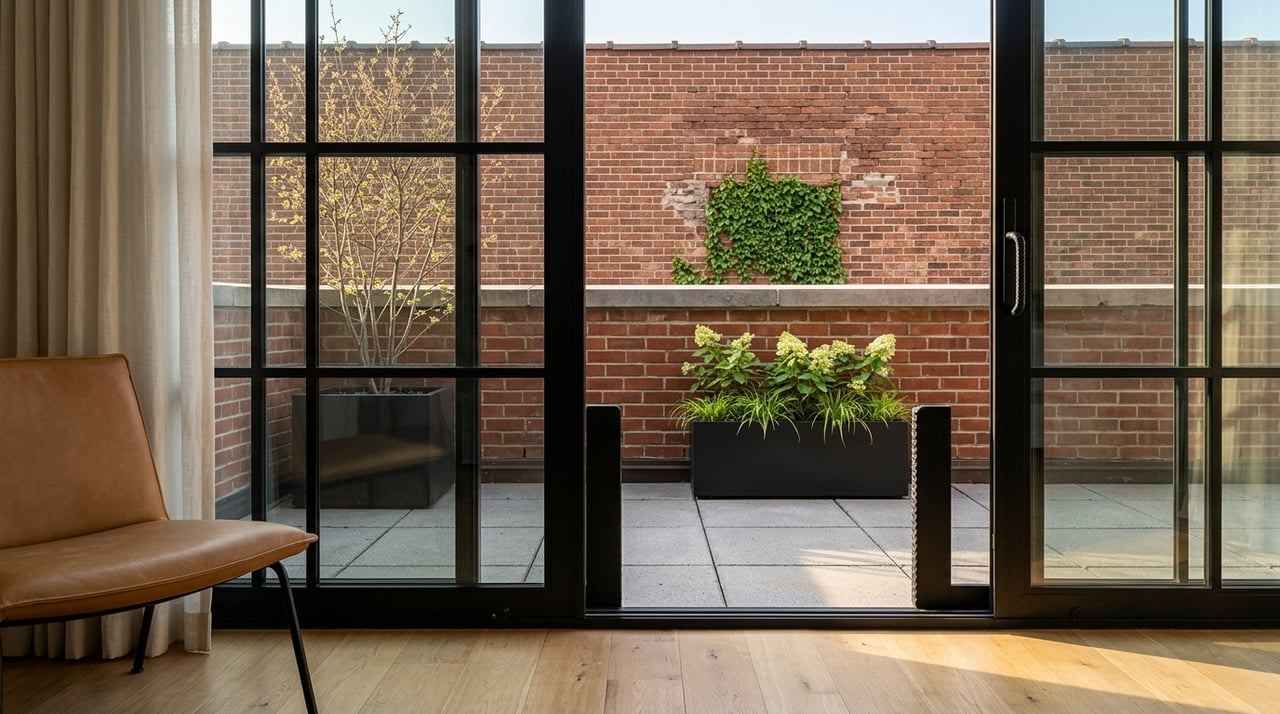
Positioning Chelsea Condos Along The High Line
April 2, 2026
April 2, 2026
If you are selling a condo along the High Line, you are not just bringing another Manhattan apartment to market. You are positioning a home within one of Chelsea’s most distinct lifestyle corridors, where buyers pay close attention to light, design, views, and the relationship to the park itself. When that story is told well and priced with discipline, your listing can stand apart for the right reasons. Let’s dive in.
The High Line is a 1.45-mile elevated park built on a former freight rail line, opened in phases in 2009, 2011, and 2014. According to the High Line fact sheet, it now supports more than 450 public programs each year and an art program that has featured more than 120 artists. That mix of landscape, design, and cultural programming helps explain why buyers see this area as more than a standard condo location.
The surrounding corridor was also planned with care. New York City’s Special West Chelsea District was designed to preserve light, air, access, and view corridors around the park, with zoning rules that include obstruction limits and transparency requirements along High Line frontage. In practical terms, that planning framework reinforces what many buyers already value here: openness, architectural interest, and a strong connection to the public realm.
Chelsea already has strong name recognition, but the High Line adds a more specific layer of identity. The city’s West Chelsea planning documents describe the area as a major art district, with a core concentration of contemporary galleries between West 20th and West 27th Streets. That cultural backdrop influences how buyers interpret nearby condos, especially design-forward homes and newer developments.
StreetEasy’s Chelsea neighborhood page also notes that the neighborhood has seen significant new development, with ultra-luxury condos clustering especially along the High Line. For sellers, that means your competition may look polished on paper. The listing that wins attention usually does more than state bedroom count and finishes. It explains why this particular home belongs in this particular corridor.
Chelsea remains a premium market, but buyers are paying attention to value. StreetEasy currently shows Chelsea with a median sale price of $1.3 million and a median of 79 days on market on its neighborhood overview. Those numbers suggest demand is there, but not without scrutiny.
StreetEasy’s October 2025 market report adds important context. In Chelsea, homes sold for a median of 96.9% of their last asking price, with a median sale price of $1,365,000 and a median discount of 3.1%. The takeaway is simple: buyers may still pay for quality, but they are less likely to reward inflated pricing or vague positioning.
In a corridor where many listings offer similar buzzwords, an ambitious launch price can make a home blend in for the wrong reasons. If buyers do not quickly understand the real advantage of your condo, whether that is a direct park view, terrace, corner exposure, or standout renovation, they may move on before the price adjusts.
A stronger strategy is to launch with a price that reflects actual differentiation. That approach helps generate cleaner early interest and gives your marketing materials more credibility.
Along the High Line, proximity alone is not the whole story. The strongest value driver is often the condo’s specific relationship to the park.
A peer-reviewed study on High Line proximity and housing values found that homes closest to the park experienced a 35.3% increase in housing values, with the largest premium accruing to homes at the same elevation as the High Line. The same research, along with scenic-view valuation analysis, points to a clear idea: micro-details matter.
If your condo has a meaningful view, your marketing should define it precisely. Buyers want to know:
In other words, “near the High Line” is not enough. A buyer will respond more strongly to a living room with a direct sightline over the park than to a unit a few blocks away with no visual connection.
Outdoor space should not be treated like a footnote, especially in this part of Chelsea. Zillow Research found that outdoor space with room for lounging, dining, and entertaining remains a meaningful buyer priority.
If your condo has a terrace, balcony, setback space, or private roof access, that feature should be photographed with care and described with intention. Buyers are not just counting square feet. They are imagining how the space functions.
Chelsea’s identity is closely tied to art, architecture, and design. The city’s planning documents for West Chelsea reinforce the neighborhood’s long-standing gallery presence, while the High Line itself emphasizes curated public art and landscape design. That context matters when you decide how to stage and present a condo.
A restrained, gallery-like approach usually fits this market better than heavily personalized décor. Clean lines, edited furnishings, open surfaces, and strong visual balance allow buyers to focus on the home’s volume, light, and view rather than the seller’s personal style.
The National Association of Realtors 2025 Profile of Home Staging found that 29% of agents said staging increased offered value by 1% to 10%, and 49% said staging reduced time on market. The same report identified the living room, primary bedroom, and kitchen as the most important rooms to stage.
For a High Line condo, a focused staging plan often includes:
The goal is not to fill the space. The goal is to make the architecture and outlook feel effortless.
Your online debut can shape how buyers perceive value before they ever schedule a showing. NAR reports that buyers’ agents rank photos, videos, and virtual tours as highly important in home searches. In a visually driven market like Chelsea, that matters even more.
StreetEasy found that the most-viewed 20% of NYC listings sold for a median of 100% of their last asking price, compared with 96.7% for the least-viewed 20%. While every property is different, the message is clear: visibility is not just a vanity metric. It can influence pricing power.
The strongest listings in this corridor make their advantages obvious right away. Your first impression should quickly answer why this condo deserves attention.
That usually means highlighting a few true differentiators such as:
This is where editorial storytelling and disciplined marketing work together. Buyers should understand the home’s best qualities within seconds of seeing the listing.
If you are preparing to sell, it helps to think in layers. Start with the physical strengths of the condo, then connect them to what buyers already value in this part of Chelsea.
A simple framework looks like this:
| Positioning Layer | What to Define |
|---|---|
| Location story | Relationship to the High Line and West Chelsea corridor |
| Value drivers | View, elevation, outdoor space, light, renovation |
| Presentation | Clean, design-forward staging and polished visuals |
| Pricing | Based on current Chelsea conditions and true differentiation |
| Launch narrative | A concise story that makes the home memorable |
When these layers align, your listing feels coherent. Instead of competing on generic luxury language, it speaks directly to how buyers evaluate Chelsea condos along the High Line.
Selling along the High Line is often about clarity more than hype. Buyers in this segment tend to notice nuance, from the exact sightline in the living room to the usability of a terrace to the credibility of the asking price. When your condo is presented with precision and positioned around what truly sets it apart, you give it a stronger chance to attract serious attention.
If you are considering a sale in Chelsea and want a thoughtful, design-aware strategy tailored to your home, Annie Azzo offers a warm, discreet approach grounded in Downtown Manhattan expertise.
Stay up to date on the latest real estate trends.






If you’re ready to unlock the finest New York has to offer, Annie is the key. Her in-depth market knowledge and an unwavering commitment to client satisfaction make her a trusted advisor for both buyers and sellers looking to indulge in the complexities of New York City's real estate landscape.