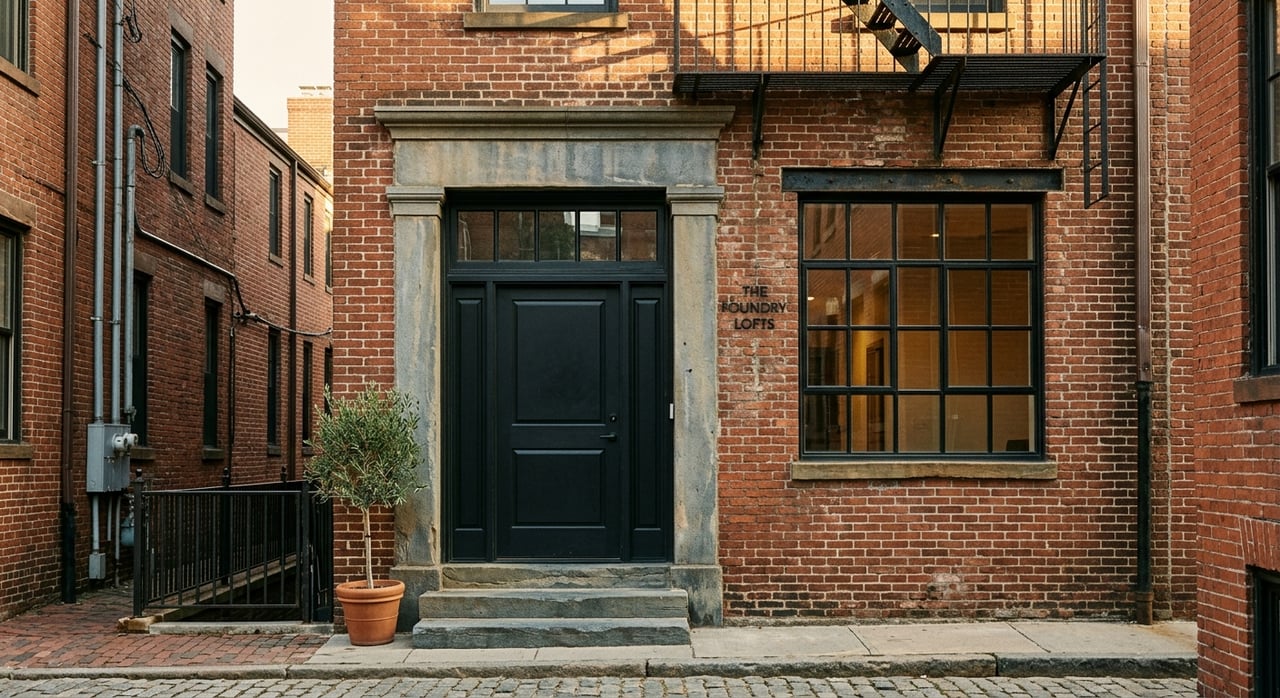
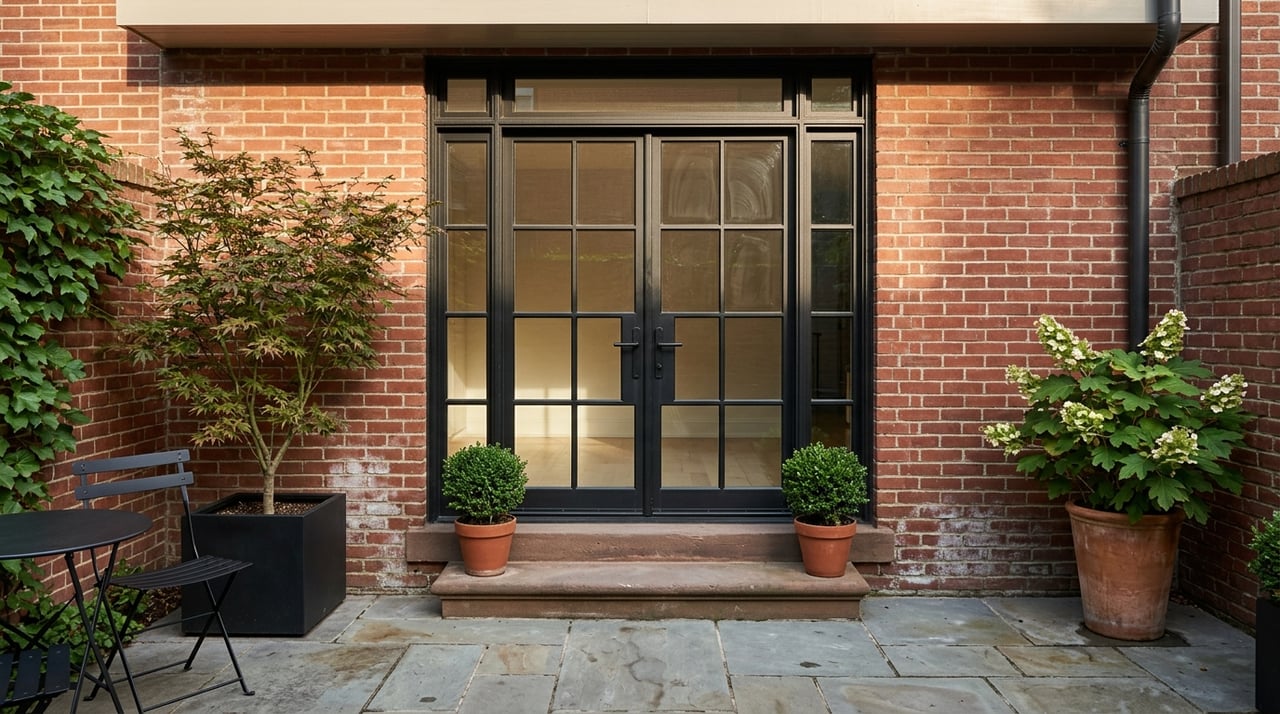
Is your heart set on a NoHo loft but you are not sure which streets deliver the light, volume, and character you want? You are not alone. In a neighborhood this compact, the right block can make all the difference in daily life, resale value, and renovation potential. This guide breaks down the best NoHo streets for loft buyers, what to look for inside each building, and how to secure the right home with confidence. Let’s dive in.
Why NoHo works for loft buyers
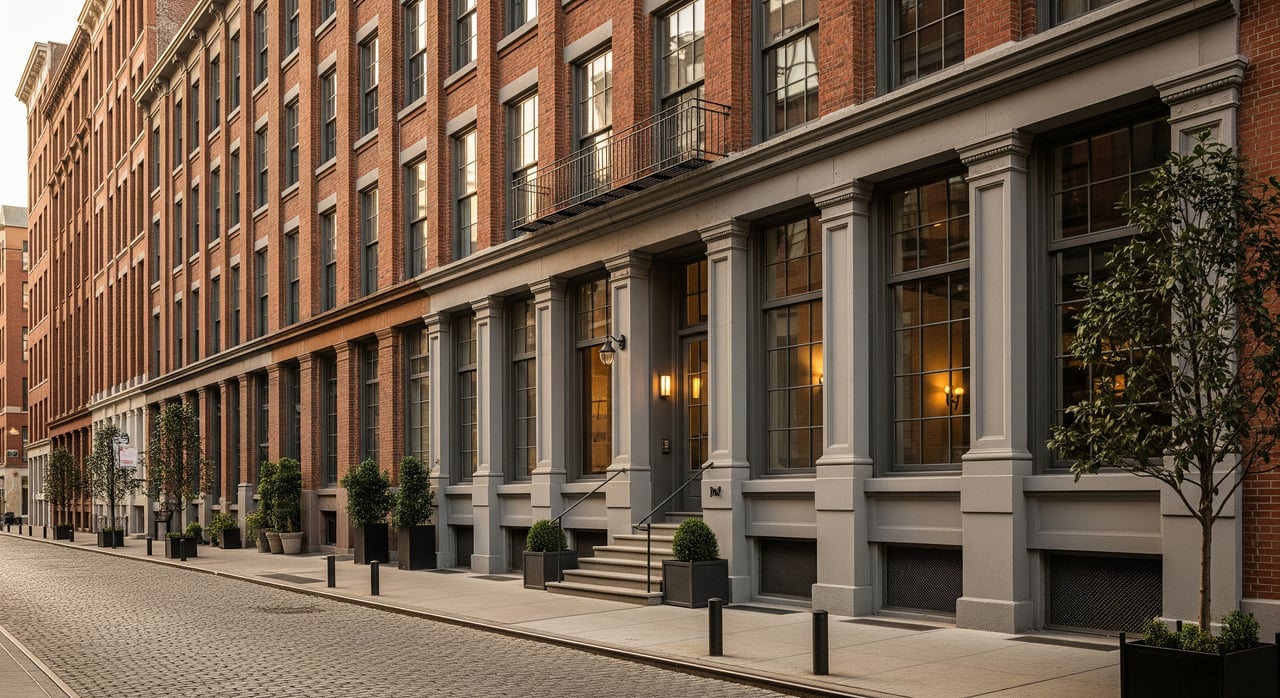
NoHo sits at the meeting point of Greenwich Village, SoHo, and the East Village, which gives you culture, dining, and galleries within a few blocks in every direction. Many buildings began as light manufacturing, then converted to residential lofts and boutique condos or co-ops. You will see cast-iron facades, brick warehouses, and newer inset loft developments.
Transit access is strong. Nearby stations like Astor Place and Broadway–Lafayette connect you quickly across Manhattan. That centrality, paired with quieter side streets, is a big draw if you want access without Midtown intensity.
Loft inventory in NoHo is niche and limited. True lofts with high ceilings, exposed structure, and big windows tend to command premiums, especially when the light, scale, and finish are exceptional. Expect a mix of co-ops with board approvals and condos that are more flexible for investors and international buyers.
Landmark context you should know
Much of NoHo sits within historic districts. Exterior changes on designated buildings often need approval from the NYC Landmarks Preservation Commission. Interiors are typically less restricted, but window replacements and facade work should follow LPC guidance.
Legal and use basics
Always verify that the building and unit have the correct residential status. You can review Certificates of Occupancy and permits through the NYC Department of Buildings. If a building has a loft history, confirm whether the NYC Loft Board rules or Article 7-C apply. This protects you from surprises around legalization or renovation.
Best NoHo streets for loft buyers
Bond Street
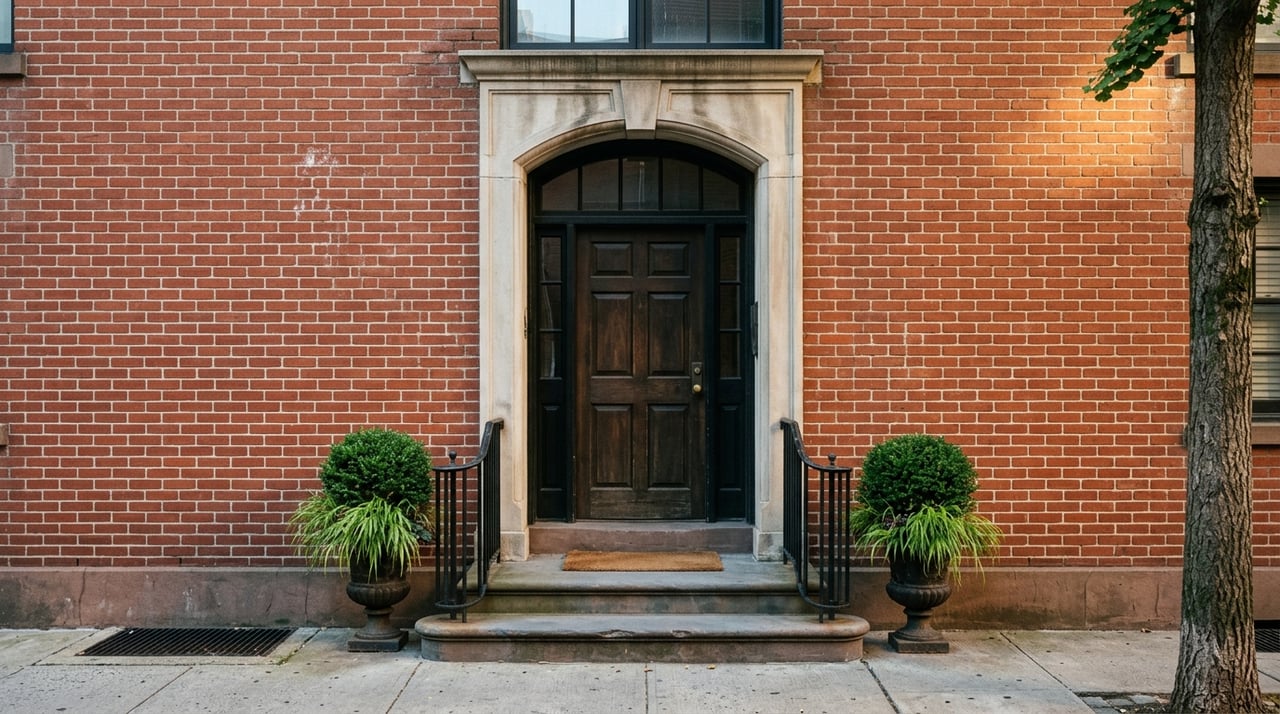
Bond is short, quiet, and deeply charming, with low-to-mid-rise buildings and boutique conversions. Many lofts here retain exposed brick, timber beams, and tall windows that maximize light. Street-facing homes often get steady daylight; interior units may need smart planning to bring light deeper into the space.
Who it fits: You want a calmer, design-forward address with texture and character. You like boutique buildings and a low-key, residential feel.
Great Jones Street
Great Jones has roots in artist studios and larger warehouse buildings, so many conversions offer generous floor plates and higher ceilings. Full-floor lofts are common, which makes it easier to create dramatic, open living areas and gallery walls.
Who it fits: You want volume, flexibility for 2-plus bedroom layouts, or you plan a thoughtful renovation. This is a go-to corridor for buyers seeking scale.
Eastern Bleecker Street
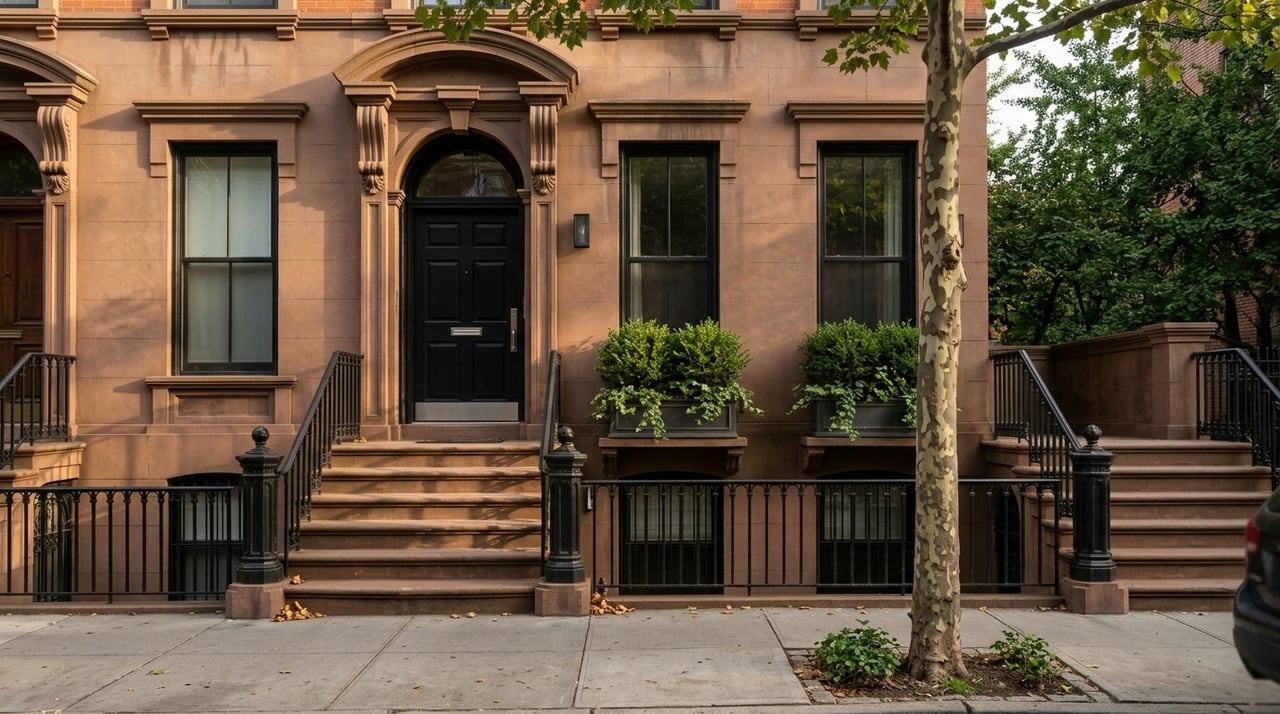
As Bleecker transitions into NoHo near Lafayette and Bowery, you will find smaller loft conversions alongside historic walk-ups and rowhouses. Expect boutique buildings, unique footprints, and an easy link to Village dining and galleries.
Who it fits: You want loft character with an everyday neighborhood rhythm and quick access to the Village.
Mercer, Crosby, Lafayette, and Bowery
These streets form the larger NoHo-SoHo loft zone. Mercer and Crosby, in particular, feature classic cast-iron and brick buildings, often with full-floor layouts and large windows. Newer loft-style condos appear in select spots as well. On Lafayette and Bowery, you may see more street activity and larger facades, which can mean wider views but also more noise.
Who it fits: You want the iconic loft look, bigger windows, and a mix of old-meets-new. You are comfortable assessing noise levels and choosing an elevation that suits your lifestyle.
How to choose your street
- Light and orientation: East–west streets like Great Jones behave differently in morning versus afternoon light. Wider streets and lower surrounding buildings often improve daylight in the living areas.
- Privacy vs. views: Bond and Great Jones tend to feel more private. Lafayette and Bowery can deliver bigger exposure and views at higher floors, with trade-offs for bustle.
- Building personality: Smaller side streets often have boutique buildings with fewer neighbors and intimate lobbies. Major corridors may offer larger buildings and, in some cases, enhanced services.
What to evaluate inside a NoHo loft
Architectural and interior features
- Ceiling height: Measure clear height. True loft character is often 10 feet and up, which affects light and the sense of volume.
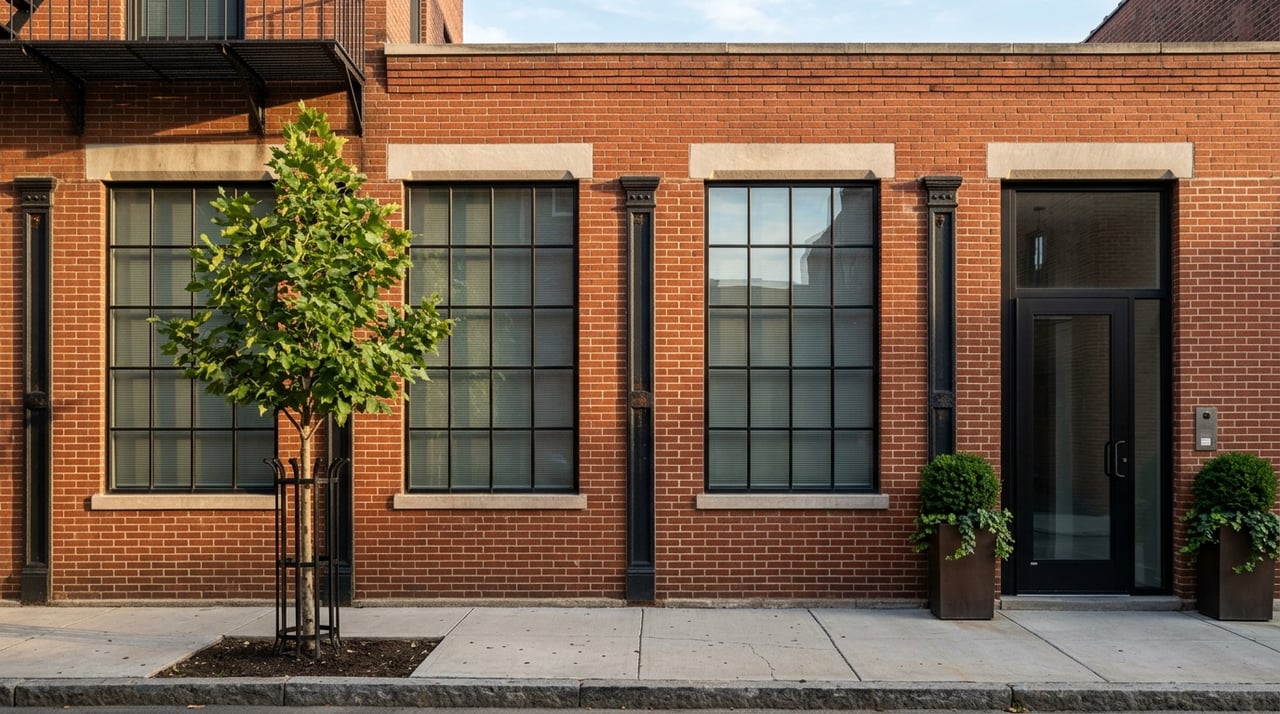
- Original details: Look for exposed brick, timber beams or cast-iron columns, original floors, and steel-sash windows. Decide what you want to preserve and what you plan to upgrade.
- Windows and exposures: Note orientation, glazing, and operability. Natural light is the most valuable design asset in a loft.
- Floor plan flexibility: Identify load-bearing elements and column locations. Confirm if kitchen or bath moves are practical without major structural work.
- Sound: Ask about floor assembly and any prior soundproofing. Check for restaurant or nightlife uses below or next door.
Mechanical and practical living
- HVAC: Central systems, through-wall units, or mini-splits each have different costs and comfort profiles. Adding ductwork in open spaces can affect both budget and aesthetics.
- Plumbing and electrical: Check panel capacity and the age of plumbing stacks. Open plans with high-design kitchens often need upgraded service.
- Fire safety: Confirm sprinklers, egress routes, and stair access. Conversions must meet NYC fire and egress codes.
- Storage: Many lofts need custom millwork to maximize storage. Confirm basement storage or common areas for bikes and packages.
Building governance and finances
- Ownership: Co-ops usually have stricter approvals and may offer more approachable entry prices. Condos tend to be more flexible for investors and international buyers.
- Financial health: Review reserve levels, underlying mortgage in co-ops, and recent or upcoming capital projects that could trigger assessments.
- House rules: Sublet policy, pet rules, renovation windows, and contractor requirements can shape your day-to-day life.
- Services: Doorman, virtual doorman, or attended package rooms all affect fees and convenience.
Legal and regulatory checks
- Certificate of Occupancy: Confirm the unit is a legal residence through the NYC Department of Buildings. Review any open violations or litigation.
- Landmark status: If you plan exterior changes such as windows, check if the property is within a historic district using the NYC Landmarks Preservation Commission map. Budget time for approvals.
- Loft Law: If a building has a loft history, confirm status and any protections or obligations via the NYC Loft Board.
Renovation and budget considerations
- Feasibility: Identify structural constraints early, including columns, shafts, or load-bearing walls that shape your plan.
- Permits and timeline: NYC permitting can be time-intensive. Ask your agent to pull building renovation history to gauge typical approval speed.
- Costs: Kitchen, bath, HVAC, and electrical upgrades vary widely. If the building is landmarked, plan for preservation-minded work that respects historic fabric.
Quick visual checklist for showings
- Photograph full room elevations and ceilings with scale. Capture windows and labels, column and beam conditions, and any mechanical closets.
- Note adjacent ground-floor uses that might affect noise or cooking smells.
- Document lobby, mail, and package areas to preview daily convenience.
Where to find on-market and private listings
- Public listing services: These are useful for a first scan of available condos and co-ops. Inventory changes quickly, so set alerts and refine by building type and ceiling height where filters allow.
- Specialist loft brokers: Work with an agent who knows building histories, board nuances, and common renovation constraints in NoHo and SoHo.
- Pocket opportunities: Boutique agents often hold private listings for distinctive lofts. This is especially true in smaller co-ops and low-rise conversions.
- Estate sales and auctions: Rare, but occasionally a source of character-rich properties. These require careful due diligence and experienced guidance.
How to structure your search
- Prioritize light and original details, since you cannot recreate those easily with renovations.
- Compare several units in one window to feel the difference in scale and daylight from block to block.
- Bring an architect or contractor on a second visit to stress-test your plan for kitchens, baths, and HVAC.
- For co-ops, ask for minutes, financials, and house rules before you write an offer.
Next steps and how we help
If you are serious about a NoHo loft, move early on the essentials: verify legal status, landmark context, and building financials before you fall in love with a floor plan. A proactive approach saves time and reduces surprises. Work with a loft-specialist broker to see both active listings and private options, and to secure DOB and LPC histories upfront.
If you would like a curated list of NoHo lofts on Bond, Great Jones, Mercer, and beyond, plus a tailored checklist for your first tours, reach out to Annie Azzo for a private consultation. You will get white-glove guidance, neighborhood micro-expertise, and access to on-market and discreet opportunities.
FAQs
What makes NoHo ideal for authentic loft living?
- NoHo concentrates historic industrial buildings with high ceilings, big windows, and exposed structure, and it offers strong transit and a boutique neighborhood feel.
How do I confirm a NoHo loft is a legal residence?
Do landmark rules affect window changes in NoHo?
What is the Loft Law and why does it matter?
- The Loft Law can govern buildings with historic live-work use; check status through the NYC Loft Board to understand protections and obligations.
Which NoHo streets are quieter for loft living?
- Bond and Great Jones typically feel more private, while Lafayette and Bowery can be livelier with larger facades and more street activity.