Upsizing in Downtown Manhattan can feel like a choice between two excellent versions of city living. You want more space without losing the walkable charm, culture, and convenience that brought you here. The good news is that both the West Village and Chelsea deliver, just in different ways. This guide breaks down how each neighborhood supports larger floor plans, parks, daily life, commutes, and long‑term value so you can choose with confidence. Let’s dive in.
At a glance: West Village vs Chelsea
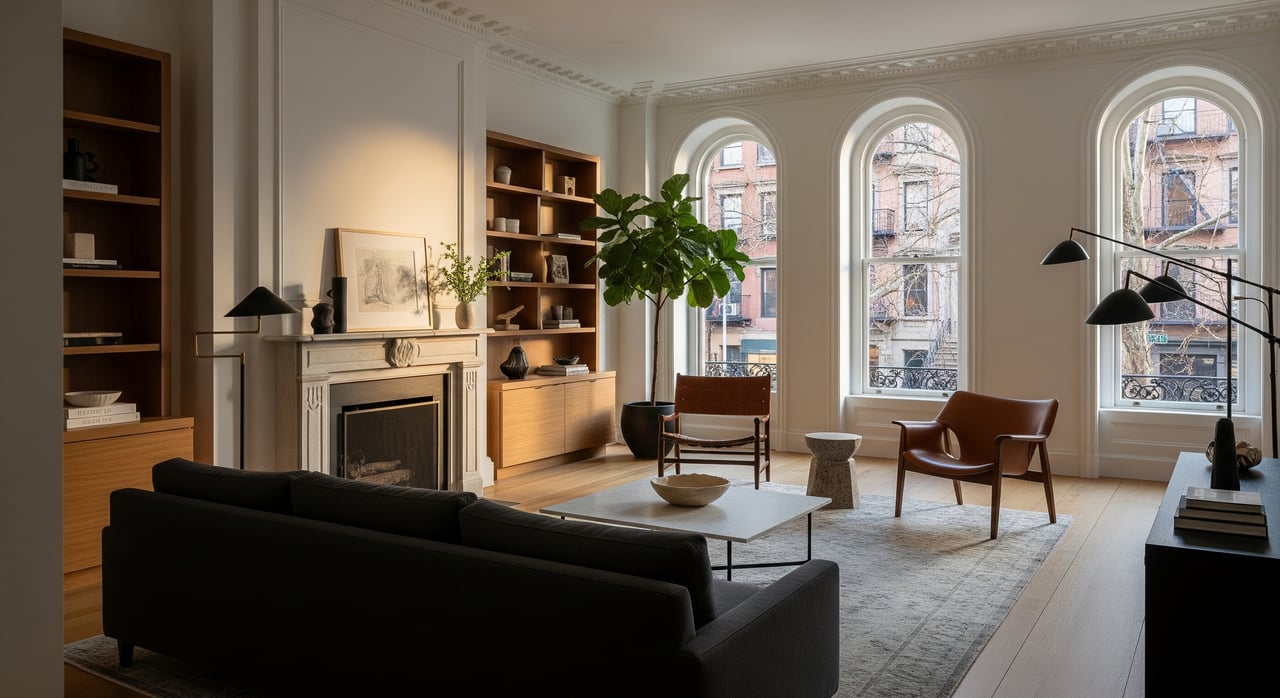
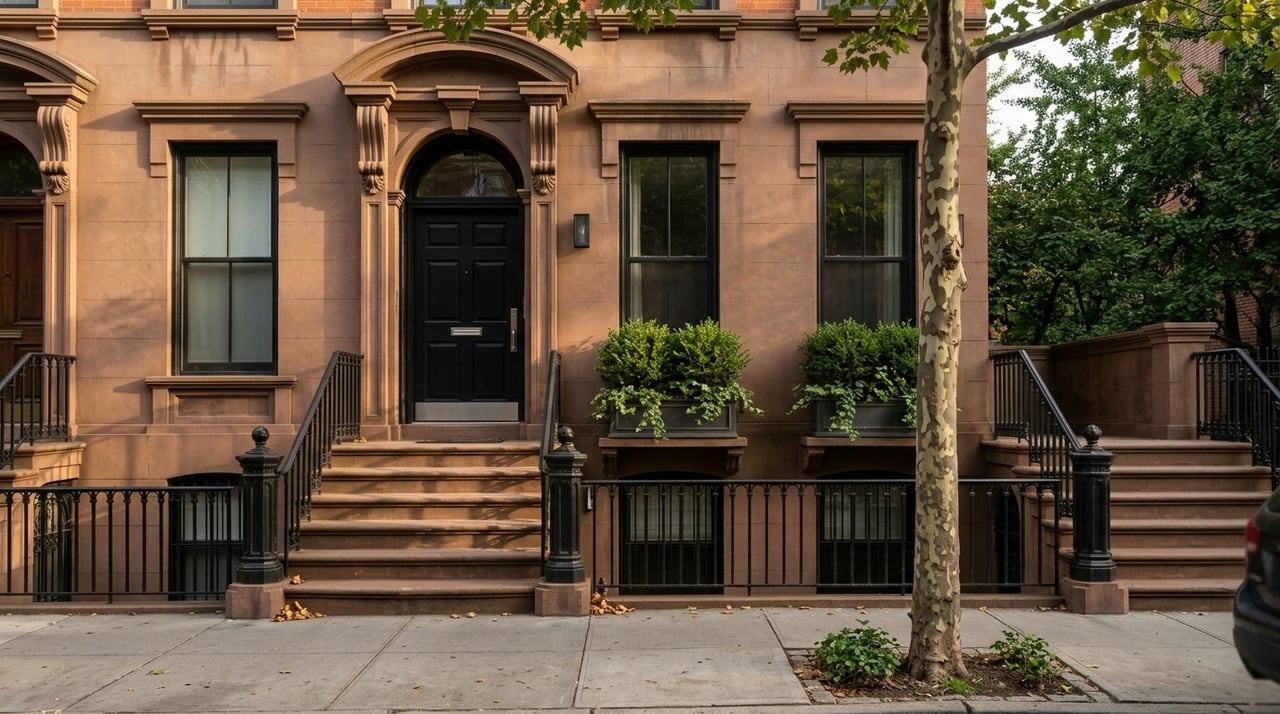
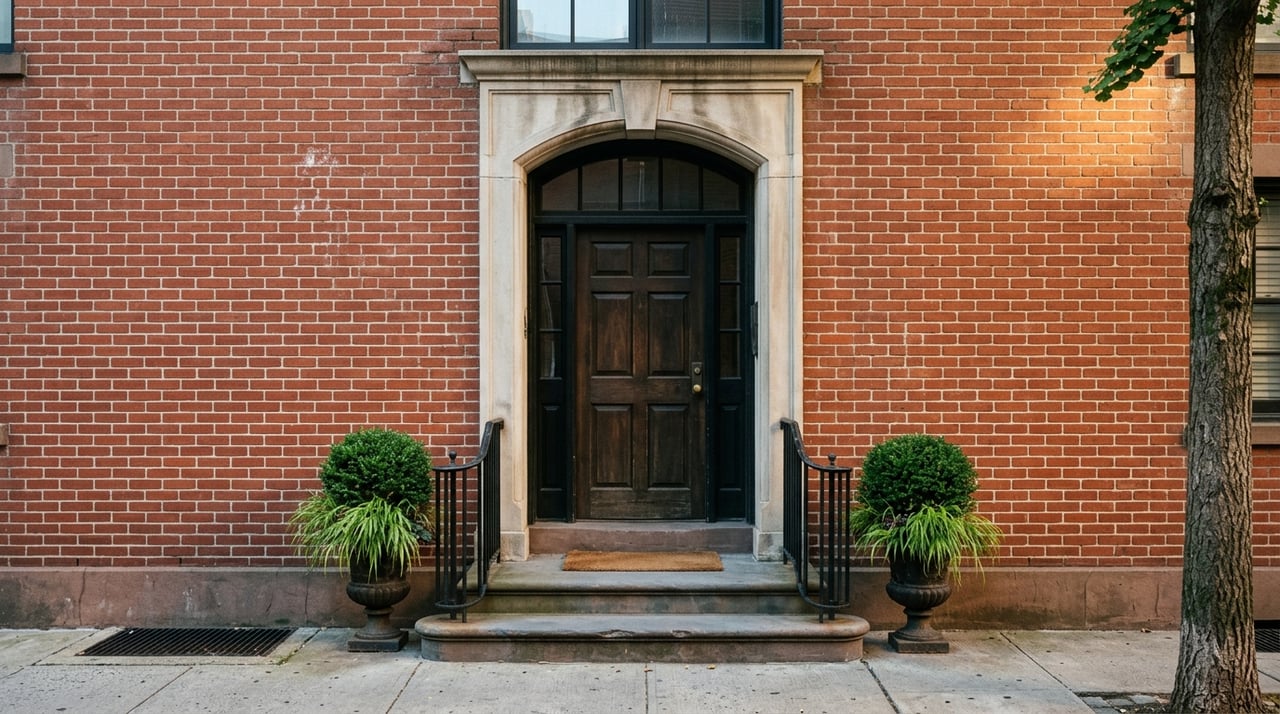
West Village gives you low‑rise charm, historic streets, and an intimate, residential feel. Larger homes often mean townhouses or multi‑level apartments in boutique buildings. Inventory for true 3 to 4 bedroom layouts is limited, and special homes carry a premium, especially on quieter, landmarked blocks. You get a village scale, pocket parks, and quick reach to Greenwich Village and downtown.
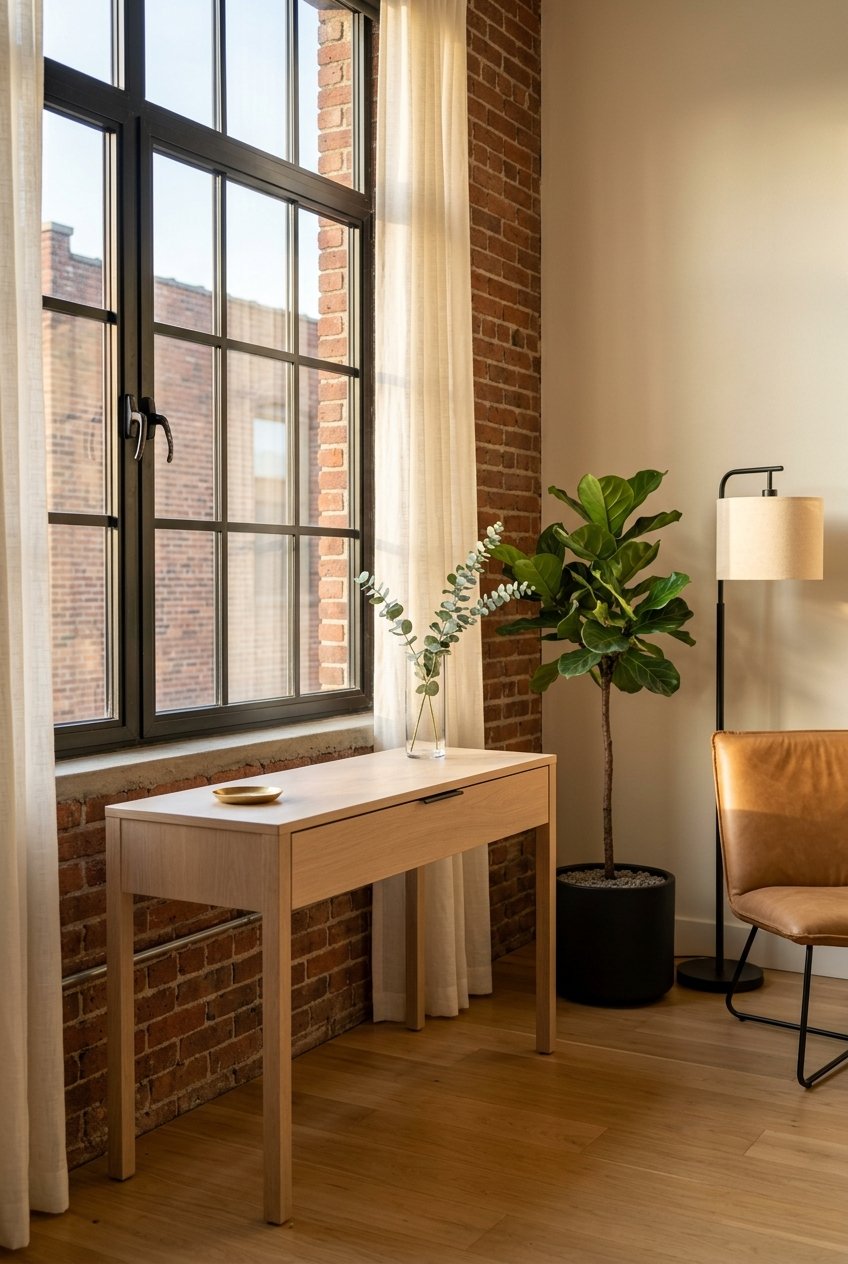
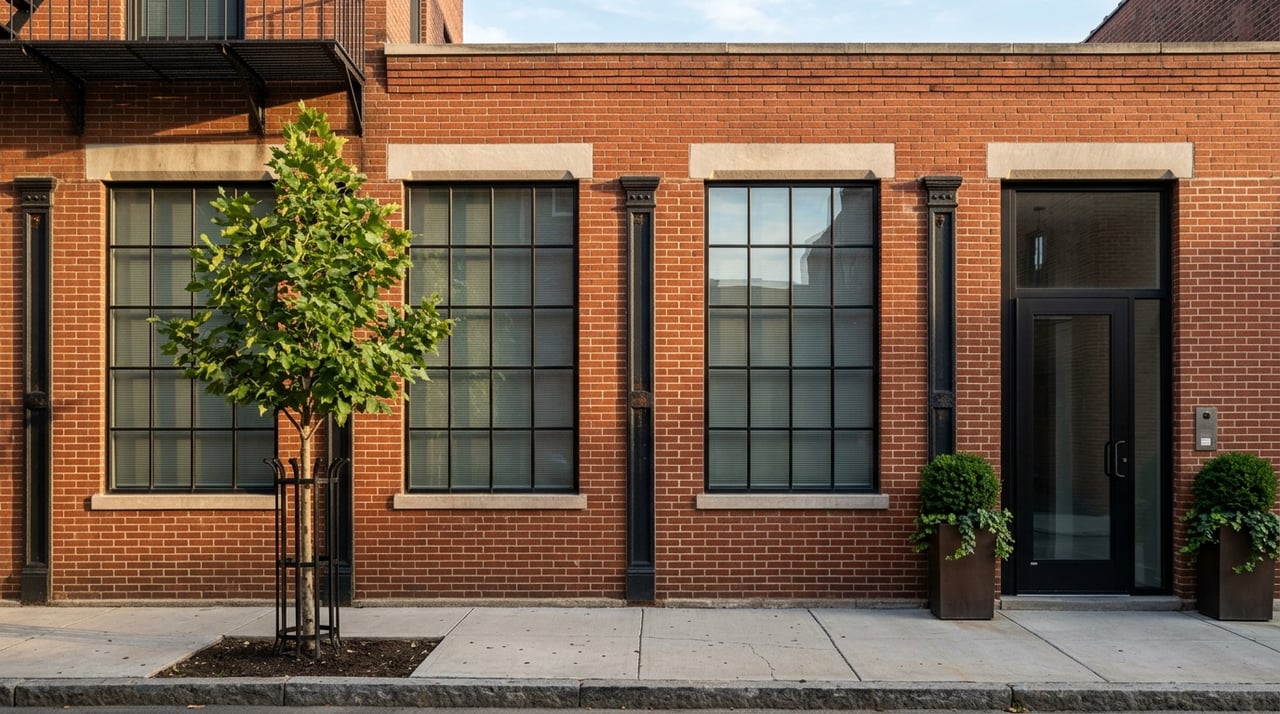
Chelsea offers more modern, family‑sized condos with elevators, doormen, and amenities. The neighborhood is active, with a regular grid, galleries, and destinations like Chelsea Market and the High Line. You’ll find a broader selection of 2 to 4 bedroom floor plans, often with shared outdoor spaces and building services that simplify daily life.
Homes and block feel
Where larger units are easiest to find
- West Village: Larger homes often come as single‑family townhouses, or as duplex/triplex units within brownstone conversions. True 3 to 4 bedroom condos exist but are scarce. Many buildings are smaller, with fewer amenities, which is part of the charm.
- Chelsea: You’ll see more purpose‑built 2 to 4 bedroom condos in elevator buildings, many with doormen, gyms, and playrooms. Modern layouts are more predictable and often better for growing households.
Takeaway: If you want a larger, modern condo with amenities, Chelsea typically offers more options. If you love historic character and townhouse living, the West Village shines.
Streetscape and noise profile
- West Village: Irregular, tree‑lined streets with low building heights create a calm, village feel. Interior blocks tend to be quieter, and historic designations limit large new development.
- Chelsea: Avenues carry more activity and foot traffic. West Chelsea around the High Line draws visitors, while interior blocks mix residential and commercial uses. Noise varies block by block.
Takeaway: West Village feels intimate on many side streets. Chelsea energy fluctuates based on proximity to avenues, galleries, and the High Line.
Outdoor space choices
- West Village: Private gardens and stoops are most common with townhouses. Boutique conversions may offer small terraces or shared rooftops.
- Chelsea: Many newer buildings offer balconies, roof decks, and shared courtyards. Public outdoor access to the High Line and Hudson River Park is a major plus.
Takeaway: For private gardens, West Village townhouses are the clearest path. For consistent shared outdoor amenities, Chelsea has the edge.
Parks and family life
Green space highlights
- Shared strengths: Both neighborhoods border Hudson River Park, with waterfront paths, playgrounds, and fields.
- West Village: Washington Square Park, Abingdon Square, Jefferson Market Garden, and Christopher Park offer frequent, smaller green escapes.
- Chelsea: The High Line, Chelsea Waterside Park, and Chelsea Piers add larger‑scale recreation and organized youth programs.
Takeaway: Both are strong for outdoor time. West Village tilts toward smaller neighborhood parks, while Chelsea offers larger recreation hubs and programming.
Schools and childcare
- Public school zoning varies by address. Use the NYC Department of Education address lookup to confirm current zoning and availability.
- Both areas offer many private preschools and K–8 options within walking distance. Enrollment can be competitive, so plan and apply early.
Takeaway: Confirm zoning by exact address and start preschool or daycare outreach early to manage waitlists.
Everyday services
- You’ll find multiple supermarkets and local grocers in both neighborhoods. Chelsea Market is a destination for food shopping and dining.
- Medical and pediatric care is accessible across Manhattan. Chelsea is closer to major 34th Street corridors, while West Village residents often use Lower Manhattan providers.
Takeaway: Daily needs are easy in both areas. Chelsea’s proximity to Midtown adds convenience for some services and after‑school options.
Dining, arts, and culture
Dining scene
- West Village: A favorite for intimate, high‑quality neighborhood restaurants, cafes, and bakeries. Side streets often feel calm in the evening.
- Chelsea: A broader mix of destination dining, gastropubs, and food experiences centered around Chelsea Market and gallery traffic.
Takeaway: Choose West Village for cozy neighborhood dining, Chelsea for variety and destination spots.
Arts and nightlife
- West Village: A longtime cultural hub with small venues and a literary and music heritage.
- Chelsea: One of Manhattan’s primary contemporary gallery districts, especially between 10th and 11th Avenues, with High Line programming and openings.
Takeaway: If you entertain often and love gallery nights, Chelsea fits. If you prefer smaller‑scale evenings, West Village appeals.
Commute and access
Subway lines and practical reach
- West Village: West 4th Street station connects to several lines. You’ll have convenient access to downtown and Greenwich Village.
- Chelsea: Multiple stations along 14th, 23rd, and up to Herald Square provide quick reach to Midtown West and Penn Station.
Practical effect: Chelsea tends to be faster for Midtown West commutes. West Village is often more direct for downtown destinations.
Other ways to get around
- Both neighborhoods are highly walkable and bike‑friendly with protected lanes nearby. Citi Bike docks are plentiful.
- Hudson River ferries and west side routes are reachable from both, with service varying by operator.
Takeaway: Your specific commute endpoints should guide the choice. Time test your route at rush hour from target blocks.
Market realities for upsizers
Inventory and options
- West Village: Larger homes are limited, especially townhouses and multi‑level apartments. Competition can be strong for rare offerings with outdoor space.
- Chelsea: More new development and condo product means a broader pool of family‑sized units with amenities.
Pricing and value drivers
- West Village: Unique historic properties and quiet, landmarked blocks often command higher per‑square‑foot pricing.
- Chelsea: Pricing varies widely, with premiums near the High Line and newer corridors. Mid‑block condos can be more cost‑efficient for larger layouts.
Key value drivers in both: Block feel, proximity to parks and river, outdoor space, building services, and specific school zoning.
Resale and liquidity
- West Village: Townhouses and character homes hold appeal for a focused buyer pool. Trading windows can be long between sales, but these are considered trophy assets.
- Chelsea: A larger condo market can support more frequent resale of standard layouts, particularly in well‑run buildings.
Financing and building type
- West Village: Expect more co‑ops and historic brownstone co‑ops with detailed board approvals, higher down payment norms, and rules around subletting.
- Chelsea: More condos and recent conversions typically offer simpler financing and more flexibility. Review assessments and warranties in new developments.
Decision checklist for upsizers
Must‑haves
- Bedrooms and baths minimums
- Outdoor space needs, from balcony to private garden
- Elevator access or comfort with internal stairs
- Amenities such as playroom, gym, storage
- Parking or garage needs
Lifestyle fit
- Quieter, village‑scale blocks or an active gallery and dining scene
- Proximity to High Line and Chelsea Market vs smaller West Village parks
Commute math
- List your main destinations. Time test rush‑hour routes from specific addresses.
- Confirm subway lines, transfers, and crosstown options.
Schools and childcare
- Use the NYC DOE address lookup for zoning by exact address.
- Contact preschools and daycare providers early to confirm capacity and timelines.
Building and transaction constraints
- Co‑op vs condo rules, financing, and approval processes
- Any special assessments or planned capital projects
- Landmark status and renovation flexibility
Market and resale
- Review recent sold comps on your target blocks
- Gauge supply of similar units to understand leverage and timing
On‑the‑ground testing
- Visit morning, midday, and evening to assess foot traffic and noise
- Walk to parks, transit, and grocery to time daily routines
Financial readiness
- Secure pre‑approval, confirm down payment, and map monthly carrying costs
Which neighborhood fits you?
- Choose West Village if you value low‑rise history, boutique streets, and the possibility of townhouse living or unique multi‑level homes. You accept tighter supply and the premium that comes with character properties.
- Choose Chelsea if you want modern, family‑sized condos with amenities, easier access to Midtown West, and a lively cultural scene anchored by galleries, the High Line, and Chelsea Market.
If you want tailored guidance, on‑the‑ground tours, and a curated shortlist that aligns with your space needs and lifestyle, connect with Annie Azzo for a private consultation.
FAQs
Is Chelsea or the West Village better for larger condos?
- Chelsea generally offers more purpose‑built 2 to 4 bedroom condos with elevators, doormen, and amenities, while West Village larger units are rarer and often in townhouses or boutique conversions.
How do parks compare for families in these neighborhoods?
- Both border Hudson River Park; West Village leans on smaller pocket parks and Washington Square, while Chelsea adds the High Line, Chelsea Waterside Park, and Chelsea Piers programming.
Which area offers an easier Midtown West commute?
- Chelsea tends to be closer to Penn Station and Midtown West job hubs, offering straightforward access along 8th Avenue lines.
Are there more co‑ops in the West Village?
- Yes, the West Village has a higher share of co‑ops and historic buildings, while Chelsea has more condos and recent conversions, which can simplify financing and approvals.
Where can I find private outdoor space?
- West Village townhouses are the clearest route to private gardens, while many Chelsea condo buildings offer balconies, roof decks, and shared courtyards.
What should I verify about schools before buying?
- Use the NYC DOE address lookup to confirm current zoning by exact address and contact local preschools or daycare providers early about enrollment and waitlists.