Leave a Message

Thank you for your message. We will be in touch with you shortly.

What It’s Like To Live Along Tribeca’s Riverfront

February 5, 2026

Imagine starting your day with a quiet walk along the Hudson, coffee in hand, and sunset views waiting for you again in the evening. If you’re weighing a move downtown, Tribeca’s riverfront offers a rare blend of open space, design-forward homes and easy access to everything you love about city life. In this guide, you’ll learn what daily life feels like on the water, what types of homes you’ll find, and the trade-offs that matter before you buy or sell. Let’s dive in.

Where Tribeca’s riverfront sits

Tribeca spans the blocks west of Broadway from Canal to the World Trade Center area. The river-facing stretch runs along the Hudson River Park corridor by West Street. While compact in size, it feels spacious because the park and piers open up uninterrupted views and greenery.

You’re close to downtown dining and culture, but the waterfront vibe is calmer than the interior nightlife corridors. On many blocks you’ll cross West Street to reach the park, which is a quick walk and part of the routine for most residents.

Homes on the water

Architecture and building types

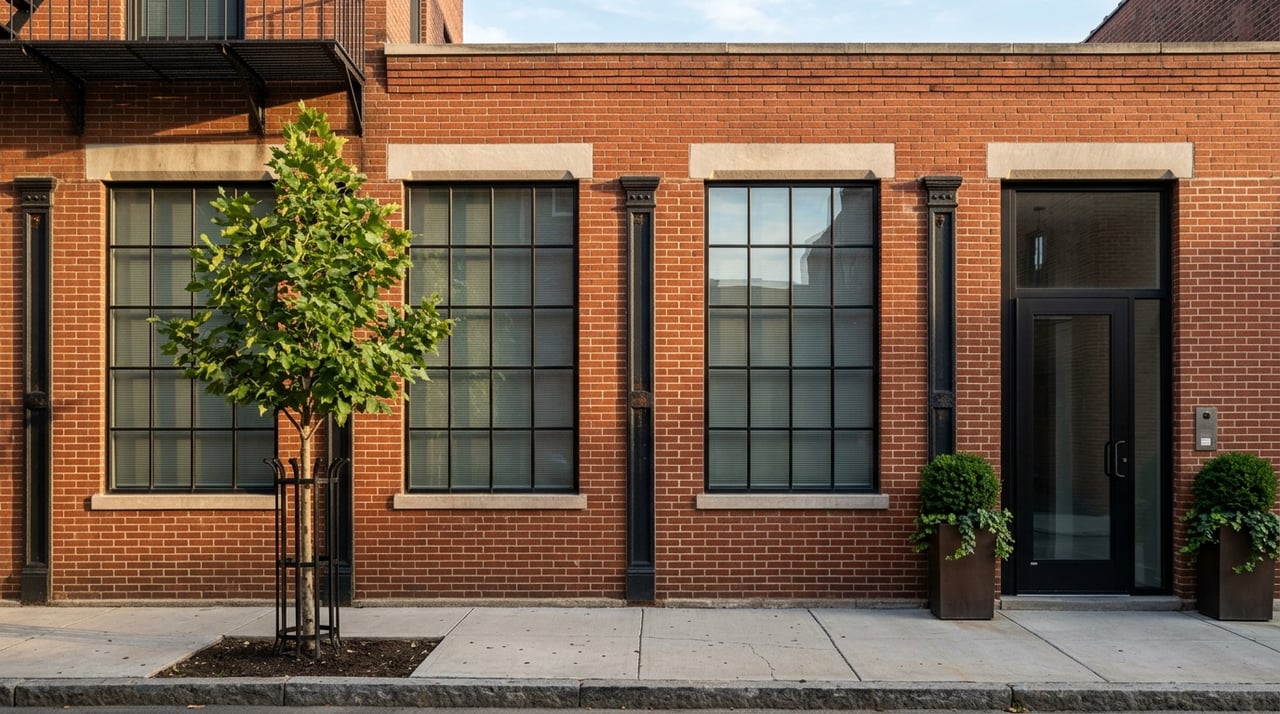
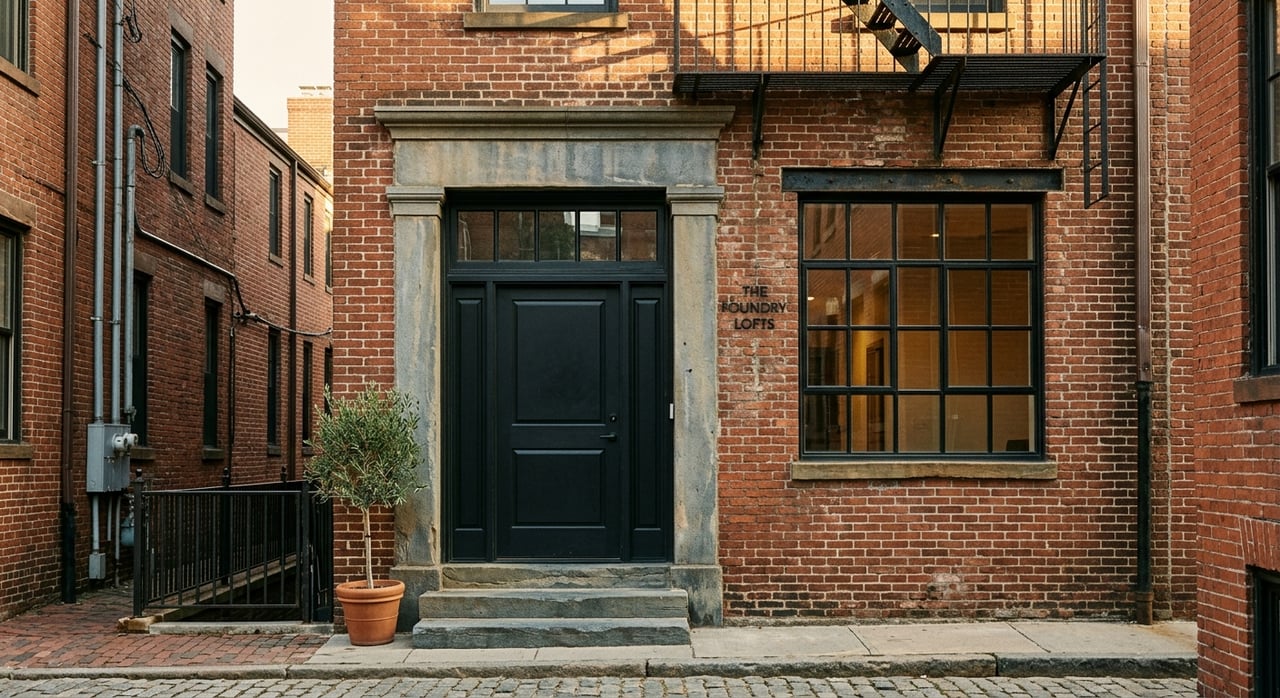
Along the river, you’ll find a mix of converted industrial lofts and modern luxury condominiums. Many prewar and cast-iron buildings have renovated interiors that keep character details like exposed brick and high ceilings. Newer condo towers and mid-rise buildings lean into glass and light, often framing dramatic river and sunset views.

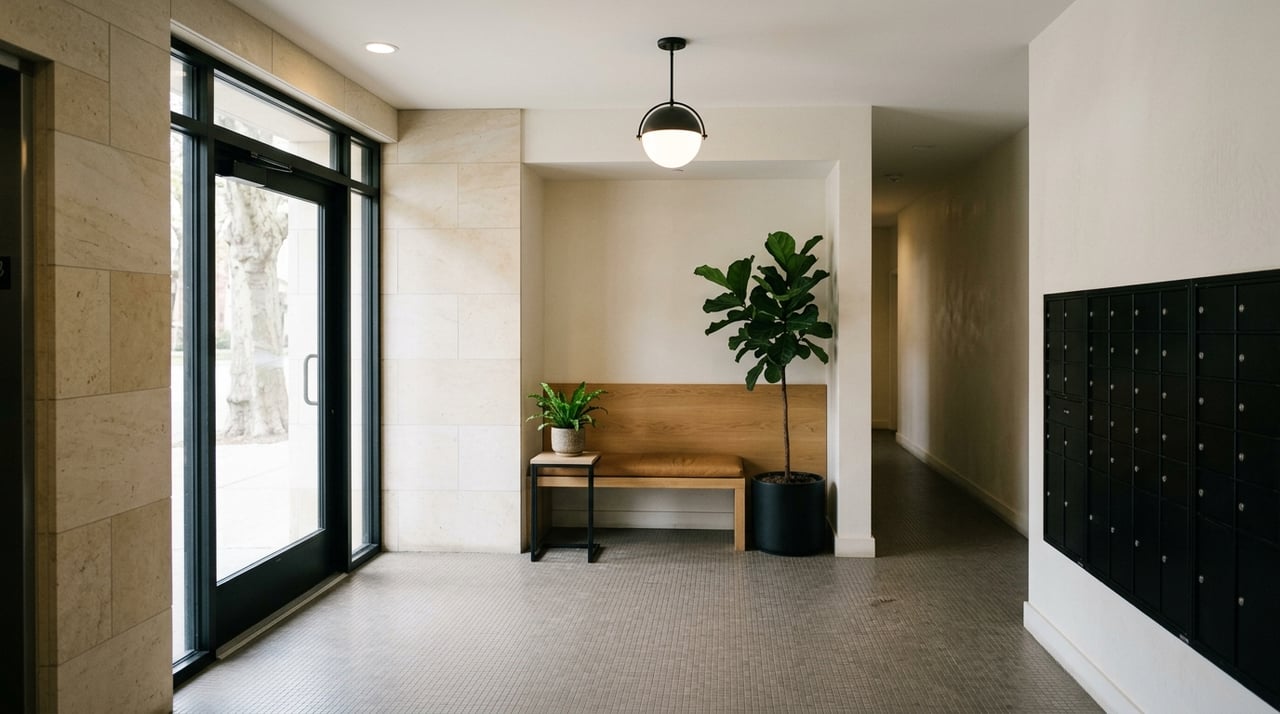
Boutique rentals and condo buildings typically offer doorman service and curated amenities. Larger developments can include expansive lobbies, landscaped terraces and resident lounges.

Common amenities and finishes

Most luxury buildings on the riverfront include 24/7 doorman or concierge, fitness centers, roof decks or private terraces, package rooms, bike storage and private storage. Some offer on-site garage parking. Inside units, buyers often prioritize multiple bedrooms, in-unit laundry, tall ceilings and direct elevator access that opens to a private or semi-private foyer.

If you want outdoor space, expect a trade-off. Many floor plans either emphasize large interior living areas or terraces, so you’ll want to decide which matters more for your lifestyle.

Views, light and noise

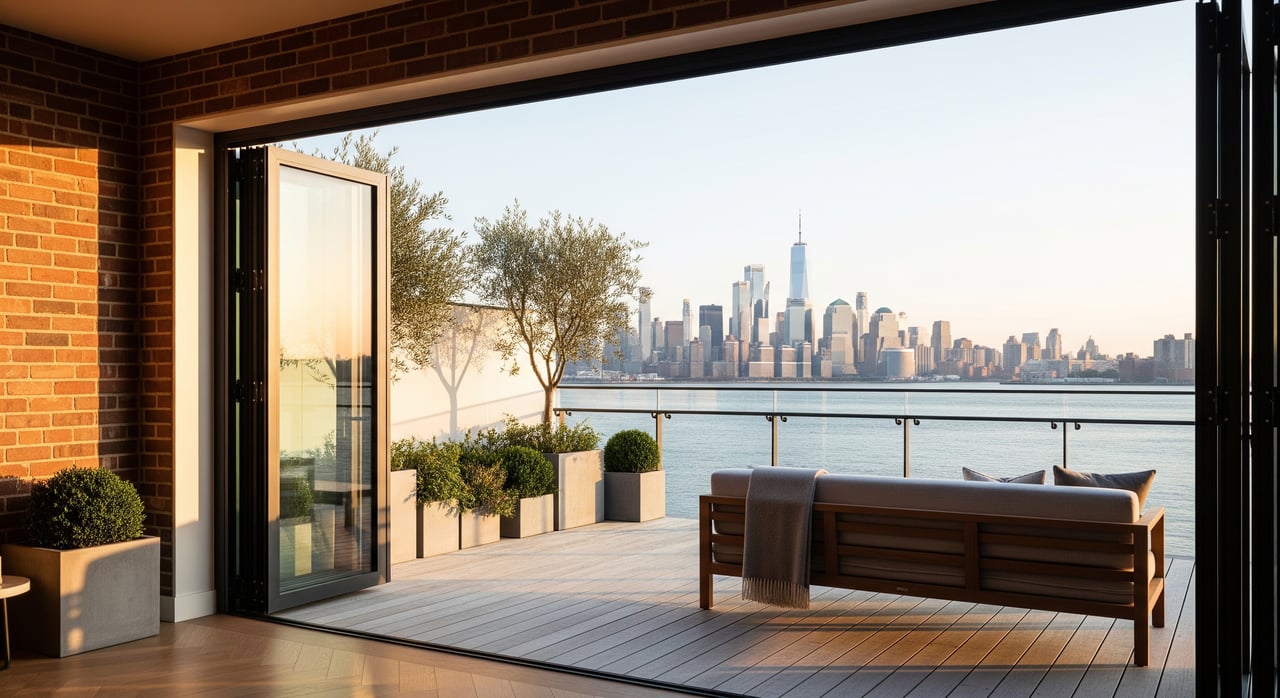
Higher floors usually deliver panoramic Hudson views and striking sunsets. Lower floors may offer partial views and more street presence. West Street is a busy north–south route, so traffic and delivery activity can be audible at lower elevations. Sound-rated windows, building setbacks and consistent white noise can make a noticeable difference.

Waterfront exposure also brings stronger breezes and salt air. Plan for minor upkeep on metalwork and balcony furnishings.

Daily rhythms on the Hudson

Hudson River Park and the piers

Hudson River Park is the heartbeat of daily life here. Residents use the greenway for morning runs, bike commutes and dog walks. Piers in the Tribeca section host children’s play spaces, small sports areas, open lawns and seasonal programming. Spring through fall is the most active season for outdoor play, fitness and waterfront dining, while winter brings quiet paths and dramatic evening light.

Dining, shopping and culture

You’re a short walk to upscale restaurants, cafes, artisanal food shops and boutique retail. The scene caters to discerning tastes and easy neighborhood living. Galleries, boutique fitness and weekend markets add texture to the routine. Nightlife is present but not overpowering along the water, which many residents prefer for a more relaxed evening feel.

Family-friendly routines

Families appreciate the easy access to playgrounds and green space. Many buildings offer multi-bedroom layouts that work well for upsizing. Daycare and preschool options are available in the area, though admissions can be competitive. If school access is a priority, verify public school zones and private school commutes for your exact block.

Getting around

Tribeca has strong connectivity to other parts of Manhattan. Several subway lines are within a reasonable walk, though exact access varies block by block. Citi Bike docks are common, and the Hudson River Greenway gives cyclists a safe, continuous route. Ferry services along the Hudson can provide alternative commuting options where available. If you keep a car, expect limited street parking and premium garage rates.

Practical trade-offs to weigh

  • Cost of living and value. True river-view units command a premium over interior blocks. Inventory is heavy on high-end condos and renovated lofts. Resale performance varies by building, unit size and exposures.
  • Noise and traffic. West Street activity is a real factor for some lower floors. Higher elevations and sound-rated windows help. Evening quiet is often excellent on upper floors.
  • Flood risk and resilience. Riverfront blocks sit within the Hudson River floodplain and were affected during Hurricane Sandy. Many buildings and public spaces have added resilience measures, such as elevated mechanicals and flood barriers. Review FEMA flood maps, building disclosures and lender requirements regarding flood insurance.
  • Microclimate. Stronger winds and salt air are part of the waterfront experience. Plan for light maintenance on terraces and metal fixtures.
  • Transit convenience. Access is good overall but varies by address. Always check the closest subway lines and commute times for the specific building you’re considering.

How Tribeca compares to other waterfront options

  • Battery Park City. Planned residential feel with broad parks and continuous open space. Tribeca offers more architectural variety and a stronger integration with downtown dining and shops.
  • Financial District. Denser and more vertical, with many high-rise conversions. Tribeca feels airier and more boutique, with loft heritage and lower-scaled blocks in many areas.
  • West Village and Hudson Square. West Village has classic village streets and landmark charm, while Hudson Square skews more commercial and creative-office. Tribeca’s riverfront offers a balance of loft character and luxury development with immediate park access.
  • South Street Seaport and the East River. Maritime history and bridge views define the East River side. Park layouts and waterfront context differ from Hudson River Park’s greenway and pier experience.

Buyer checklist for riverfront condos and lofts

  • Clarify your view priority. Do you want direct river views, corner exposures, or a quieter courtyard orientation with some light trade-offs?
  • Inspect window quality and setbacks. Sound-rated windows and thoughtful building setbacks can reduce road noise.
  • Evaluate amenities vs. monthly costs. Full-service buildings offer convenience that can raise HOA or common charges. Balance must-have amenities with ongoing fees.
  • Ask about resilience measures. Look for elevated utilities, flood barriers and waterproofed basements. Review flood zone status and insurance requirements.
  • Confirm transportation options for your exact block. Walk the route to the nearest subway at peak times and check Citi Bike availability.
  • Compare recent comps by exposure and line. River-view premiums can vary widely within the same building.

Seller insights for riverfront listings

  • Lead with exposures, light and outlook. Golden-hour photography and clear labeling of view corridors can elevate perceived value.
  • Highlight lifestyle proximity. Emphasize direct access to Hudson River Park, piers and greenway fitness in your marketing narrative.
  • Document building resilience. Buyers value transparent information about flood mitigation, mechanical placement and recent capital improvements.
  • Calibrate pricing by line and floor. View quality, noise profile and layout efficiency drive buyer response more than raw square footage alone.
  • Invest in presentation. Design-forward staging, professional photography and editorial copy make a measurable difference in this segment.

Is riverfront Tribeca right for you?

If you love light, views and immediate park access, the riverfront delivers a daily rhythm that feels rare in Manhattan. You trade a bit of urban edge along West Street for sunsets, greenway mornings and a calm, upscale neighborhood vibe. For families and professionals who want design-minded homes with a strong lifestyle component, it’s a compelling choice.

If you’re considering a purchase or planning a sale, you deserve nuanced, block-by-block guidance. For a discreet, concierge approach tailored to your goals, connect with Annie Azzo.

FAQs

What types of homes are common on Tribeca’s riverfront?

  • You’ll see converted lofts with character details, boutique prewar buildings, and modern luxury condos with amenities like doorman service, gyms and roof decks.

How noisy is West Street for riverfront apartments?

  • Lower floors can experience more traffic and delivery noise, while higher floors are typically quieter; sound-rated windows and building setbacks help reduce impacts.

What should I know about flood risk in Tribeca?

  • The riverfront sits within the Hudson River floodplain; review FEMA flood maps, building resilience upgrades and any flood insurance requirements before you buy.

How family-friendly is Tribeca’s riverfront for daily life?

  • Families value the playgrounds, green space and multi-bedroom layouts; verify daycare availability and public school zoning for your specific block.

How does riverfront Tribeca compare to Battery Park City?

  • Battery Park City feels more planned with continuous parks, while Tribeca blends loft heritage, luxury development and closer integration with dining and retail.

What does commuting look like from riverfront Tribeca?

  • You’ll have multiple subway options within walking distance depending on the block, frequent Citi Bike docks, the Hudson River Greenway for cycling and select ferry options nearby.

CONNECT WITH ANNIE

If you’re ready to unlock the finest New York has to offer, Annie is the key. Her in-depth market knowledge and an unwavering commitment to client satisfaction make her a trusted advisor for both buyers and sellers looking to indulge in the complexities of New York City's real estate landscape.